



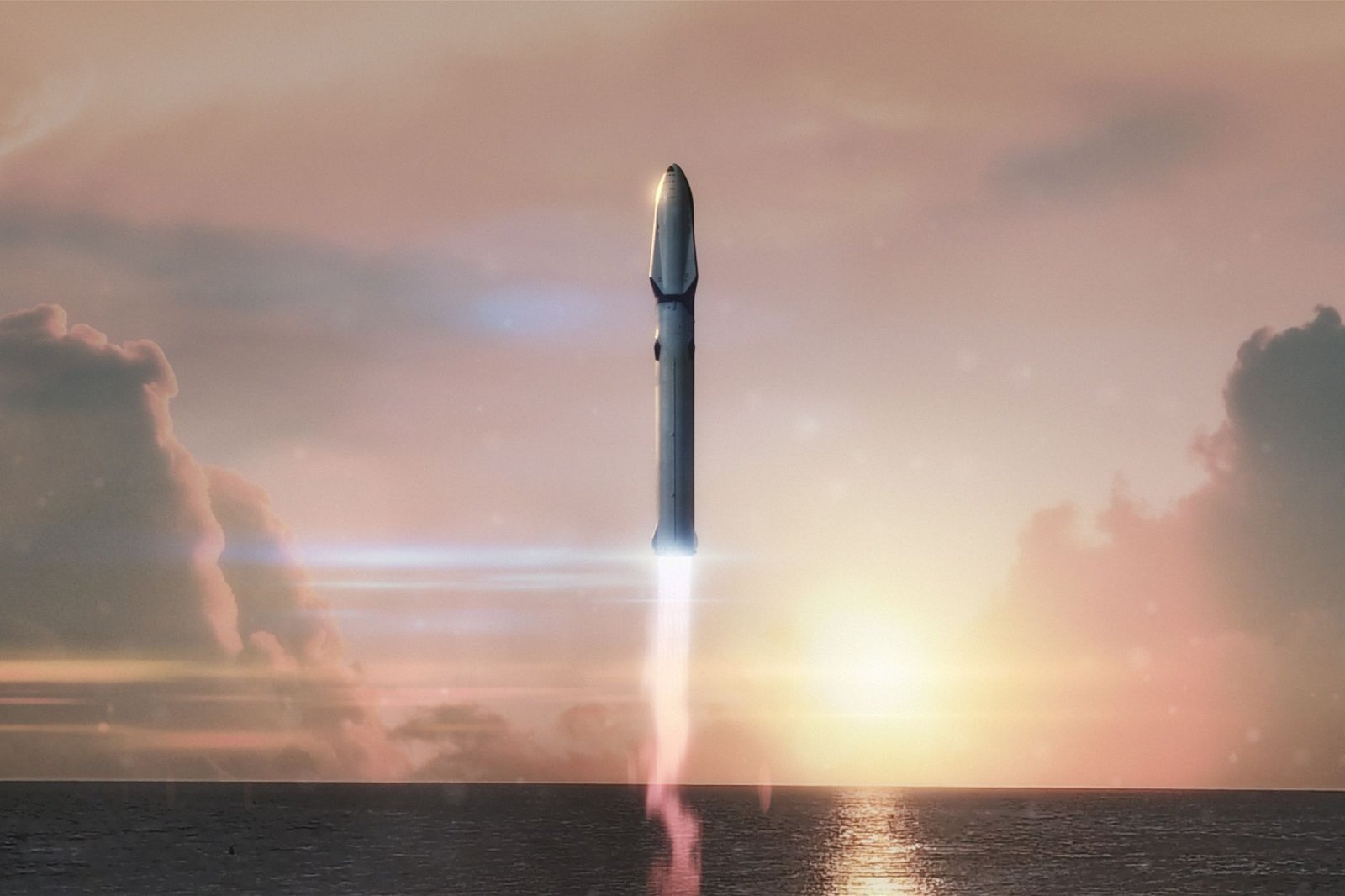
The world of aerospace is buzzing with groundbreaking advancements that are expanding our understanding of what rockets can achieve. As we approach the midpoint of 2026, the anticipation is palpable, particularly surrounding several US rocket projects. But will all these cutting-edge ventures take to the skies this year?
Key Takeaways
- Several US rockets are poised for their inaugural launches in 2026.
- **Rocket Lab** set a new record with its rapid response mission launch.
- China is prepping for potential booster landings.
- Innovation is accelerating in the space sector, promising exciting developments.
- Real-time advancements are shaping the AI and aerospace industries.
Rocket Lab and a Record-Breaking Mission
In an outstanding showcase of agility and technology, **Rocket Lab** has executed a launch that not only dazzled the aerospace sector but also set the bar higher for rapid deployment missions. On an ordinary Friday, the company embarked on the **Victus Haze mission** a mere 16 hours and 42 minutes after receiving the launch notice from the US Space Force. This feat shattered their previous record by over 10 hours, showcasing a new frontier in mission response speed.
Quickly coordinated and markedly discreet, the launch caught only subtle indications, such as advisories for pilots and sailors regarding the rocket’s flight path. Unlike their usual missions, Rocket Lab didn’t offer a livestream, which added an element of surprise and intrigue.
Understanding Rapid Response Missions
Rapid response missions are a cutting-edge form of space deployment where the timeline from mission authorization to launch is incredibly short. This speed is crucial for defense and strategic tasks that require immediate attention. Picture a pizza delivery service but for satellites—launching exactly when and where necessary.
China’s Venture into Booster Landings
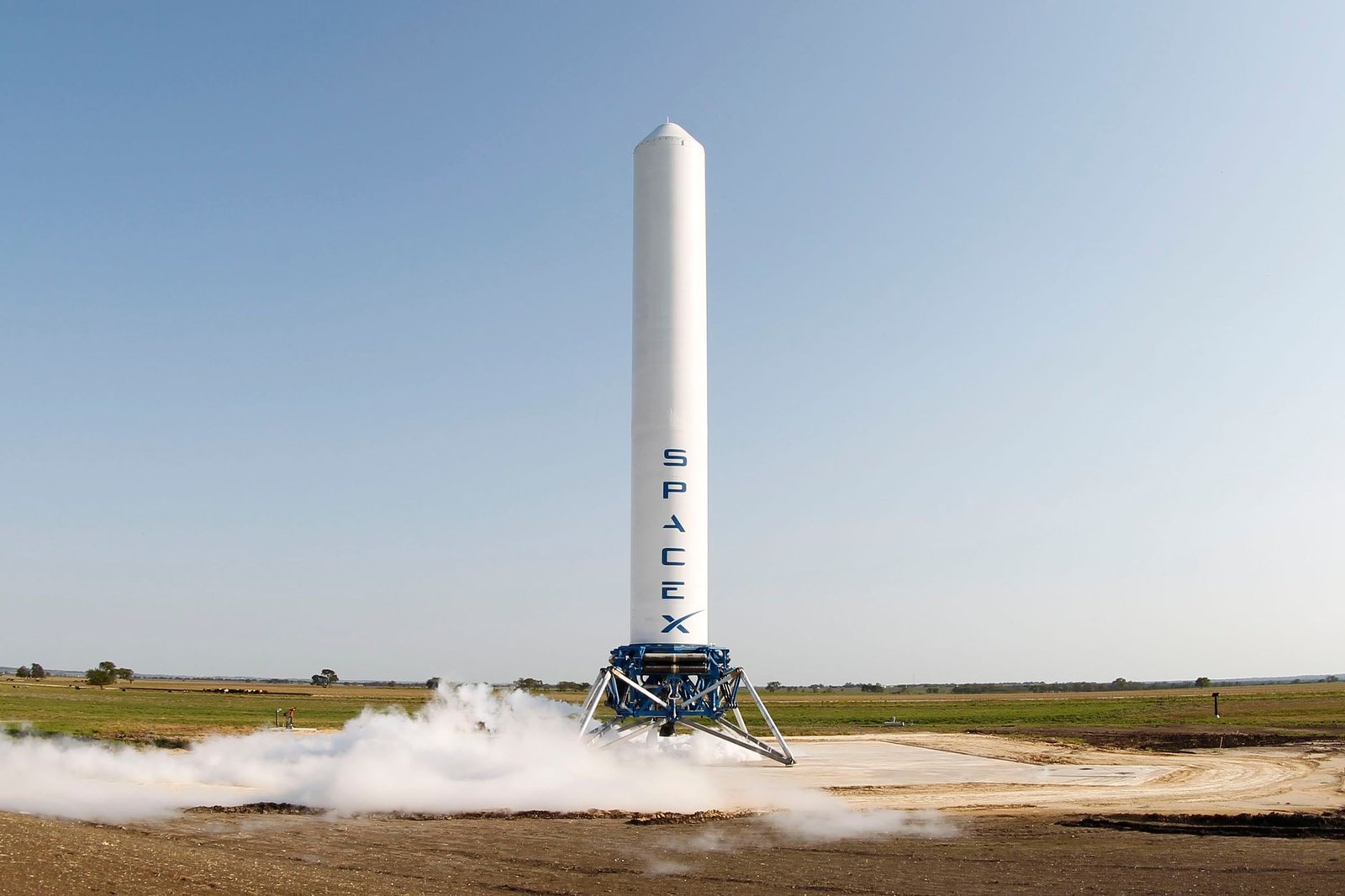
Not far across the globe, China is making significant strides with its own ambitions, notably experimenting with **booster landings**. This technology involves recovering and reusing the rocket’s initial stage, which traditionally detaches and falls back to Earth post-launch. By safely landing these boosters, China aims to reduce costs and environmental impact, marking a potential game-changer in aerospace efficiency. Imagine it like catching a frisbee you throw yourself, instead of letting it fall to the ground.
The Significance of Booster Landings
By perfecting booster landing technology, China and other aerospace leaders can dramatically decrease launch expenses and production cycles, paving the way for more frequent and sustainable space missions. This innovation not only reshapes how we think about spaceflight but also demonstrates the increasing importance of **sustainability** in the industry.
The Bigger Picture and Future Prospects
Both Rocket Lab’s impressive launch capabilities and China’s experiments highlight a significant leap forward for the aerospace field. These advances are indicative of a larger trend where technology and innovation are enabling us to rethink traditional methods of space exploration and defense.
In parallel, the rise of Artificial Intelligence (AI) continues to transform how these missions are planned and executed. AI’s ability to process vast datasets and predict outcomes is invaluable for optimizing flight paths, ensuring safety and enhancing mission success rates. Picture a smart GPS that not only maps your route but anticipates and adapts to every traffic condition in real-time.
As we look to the future, these innovations in rocket technology and AI signal a new era in global aerospace strategies. The quest to conquer space is becoming more attainable, efficient, and insightful—driven largely by advancements in **AI technology**. The coming years promise a fusion of human ingenuity and machine intelligence that might forever alter our journey from Earth to the stars.
