



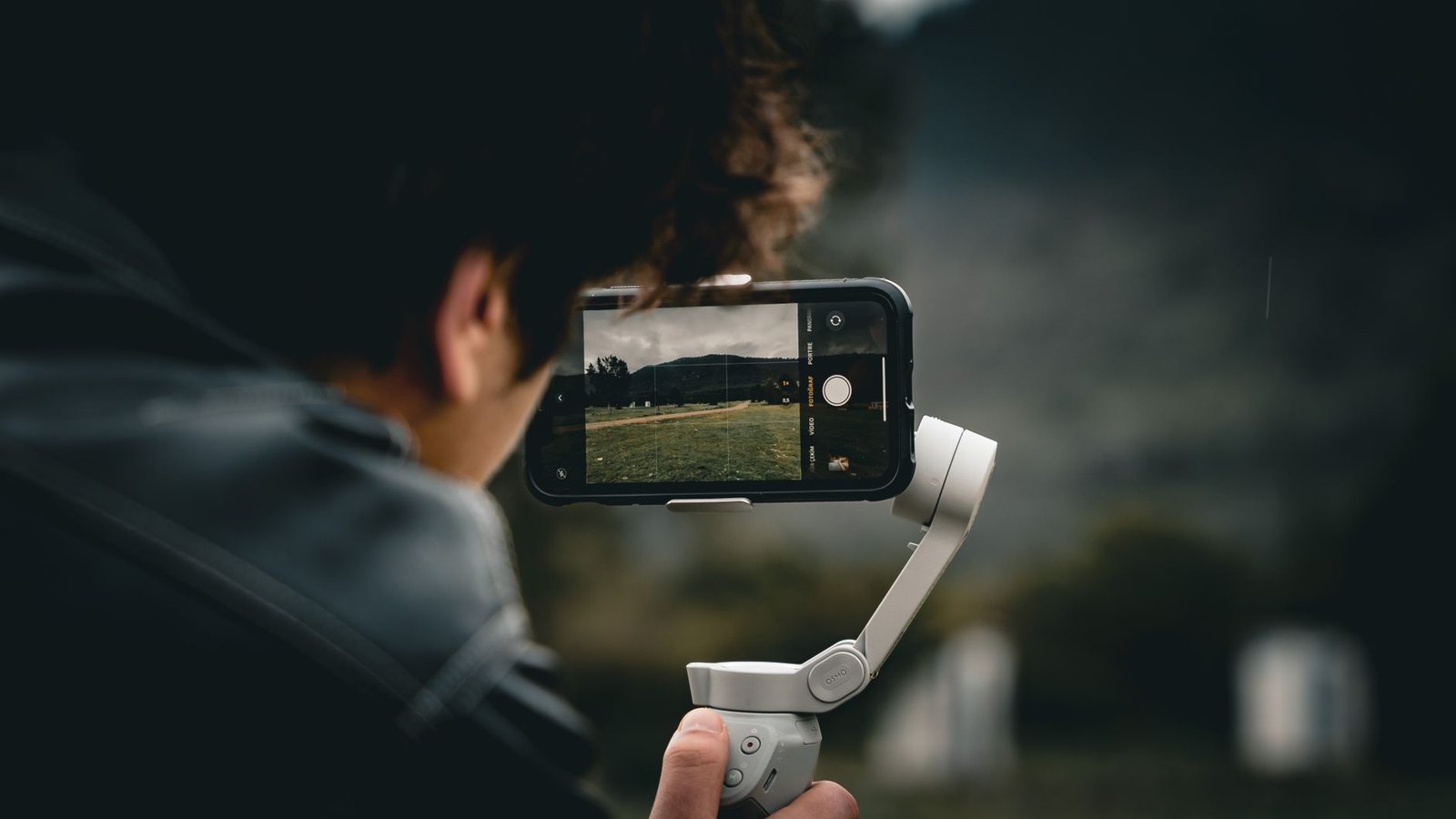
If you’ve ever felt the need to capture high-quality, shake-free video right from your smartphone, Honor’s latest innovation might just be the answer. Imagine combining the convenience of a phone and the specialized functionality of an action camera in a single device—it’s happening now.
Key Takeaways
- Honor introduces a smartphone with a pop-out motorized gimbal camera.
- Gimbal technology offers stabilized video perfect for vlogging and action shots.
- Currently exclusive to the Chinese market with eyes on the broader global stage.
- This innovation reflects the convergence of smartphone convenience and specialized camera tech.
- Implications for the future of AI in imaging and mobile device functionality.
The Rise of Smartphone Camera Innovation
Smartphones have increasingly become the go-to device for capturing life’s moments, replacing dedicated cameras for many users. The incorporation of a **gimbal**—a device that allows an object to rotate freely in any direction—is a game-changer. Traditionally, gimbals have been large and cumbersome, used for filming smooth, professional-grade video even when the camera is in motion. Honor has managed to shrink this technology down to fit into the palm of your hand.
What Is a Gimbal Camera, and Why Does It Matter?
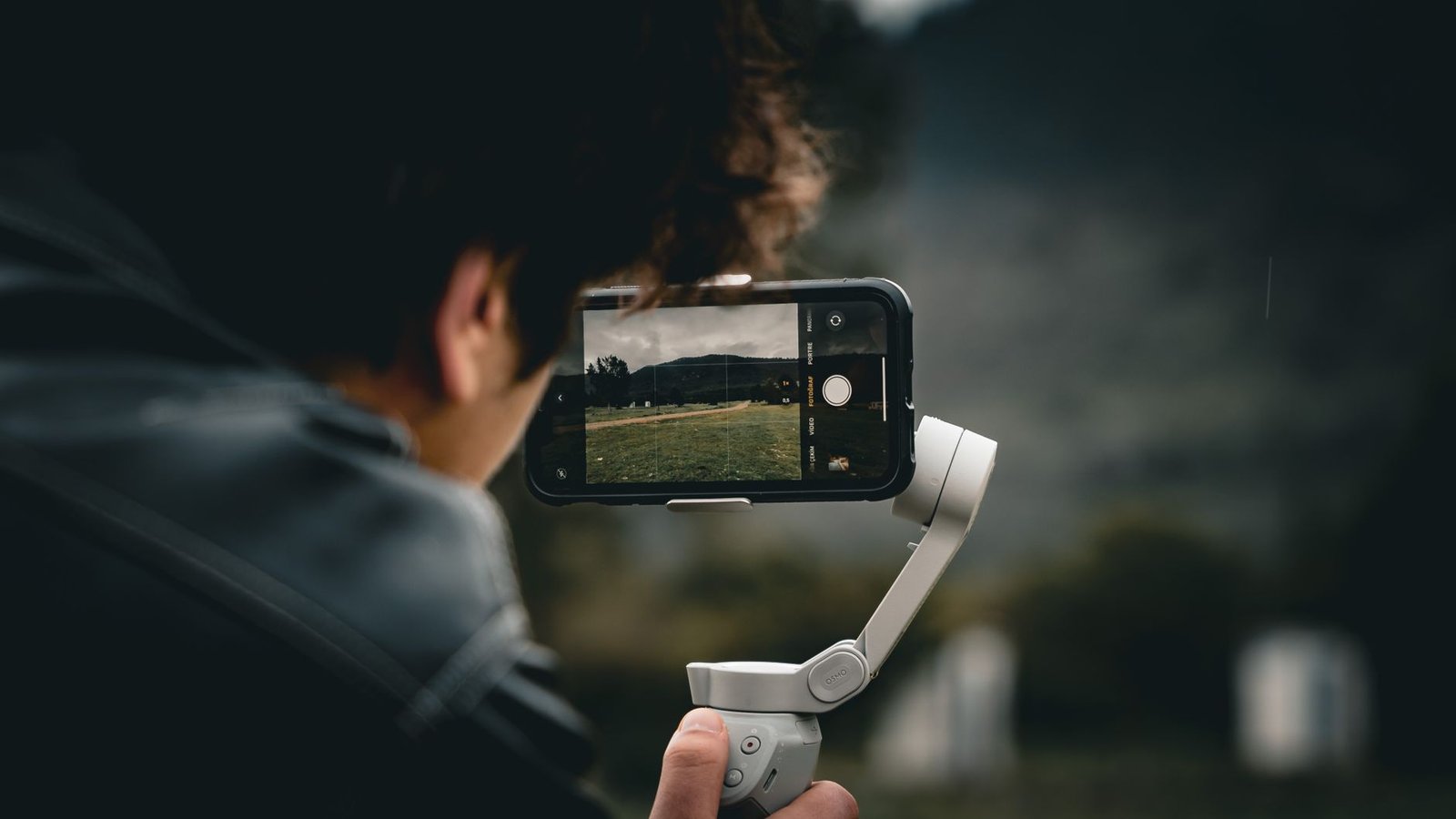
Gimbal cameras are used to stabilize footage, keeping it smooth even if your hands are shaky or you’re on uneven terrain. It’s like giving your phone a mini-dolly track used in film productions. Whether you’re capturing the thrill of downhill skiing or the subtleties of a city street at sunset, a gimbal offers a level of **video stabilization** that’s hard to achieve with mere software alone.
In this latest Honor device, the **motorized gimbal** pops out when activated, giving users a dynamic range of motion that caters to a new generation of content creators. It essentially replaces the need for external stabilizing equipment, which means less to carry and more freedom to focus on creativity.
Tech Breakthrough: How the Gimbal Works
Picture this: The **gimbal camera** smoothly orients itself to stay aligned with the Earth’s gravity. Through advanced sensors and AI algorithms, the camera can anticipate and counteract motion, offering users a seamless video experience. It adapts in real-time, so every pan, tilt, or roll you make results in impeccably stable footage.
Real-World Example
Consider a travel vlogger exploring vibrant cityscapes and breathtaking landscapes. A traditional setup might require a standalone action camera, a stabilizer, and various mounts. With Honor’s gimbal phone, all this is seamlessly integrated. Shooting on the go becomes effortless: running alongside bustling street dancers or capturing the delicate movement of a bird in flight—smooth and steady recordings are ensured.
Why Exclusivity in China?
While this Honor phone is currently available only in China, it presents a strategic approach to test and refine the product in a tech-forward market. The decision to keep it region-specific might be driven by the advanced consumer base that rapidly adopts innovative technologies, providing crucial feedback for potential global expansion.
The Future of AI and Imaging
What does a smartphone with a gimbal camera signal in the broader context of AI and technology? It showcases how AI continues to transform imaging, integrating more advanced processing capabilities directly into smartphones. This trend simplifies filmmaking and creative expression, making high-quality video more accessible to all.
As AI-driven cameras evolve, expect even greater **integration of AI technologies** with daily gadgets, potentially making professional-grade filming a standard feature. Ultimately, this not only empowers users by removing barriers to quality content creation but also pushes the boundaries of what’s possible with mobile technology.
