



Imagine a future where cherished memories can be distorted into something sinister. This unsettling possibility is already here, casting a shadow over the potential of AI technology.
Key Takeaways
- AI tools, such as **Grok**, have the power to alter images in ways that raise serious ethical concerns.
- Understanding how AI image generation works is crucial to appreciating its potential impact.
- There is a growing debate on balancing technological innovation with moral responsibility.
- Policy-makers are increasingly challenged to regulate AI to prevent misuse.
The Disturbing Potential of Image-Altering AI
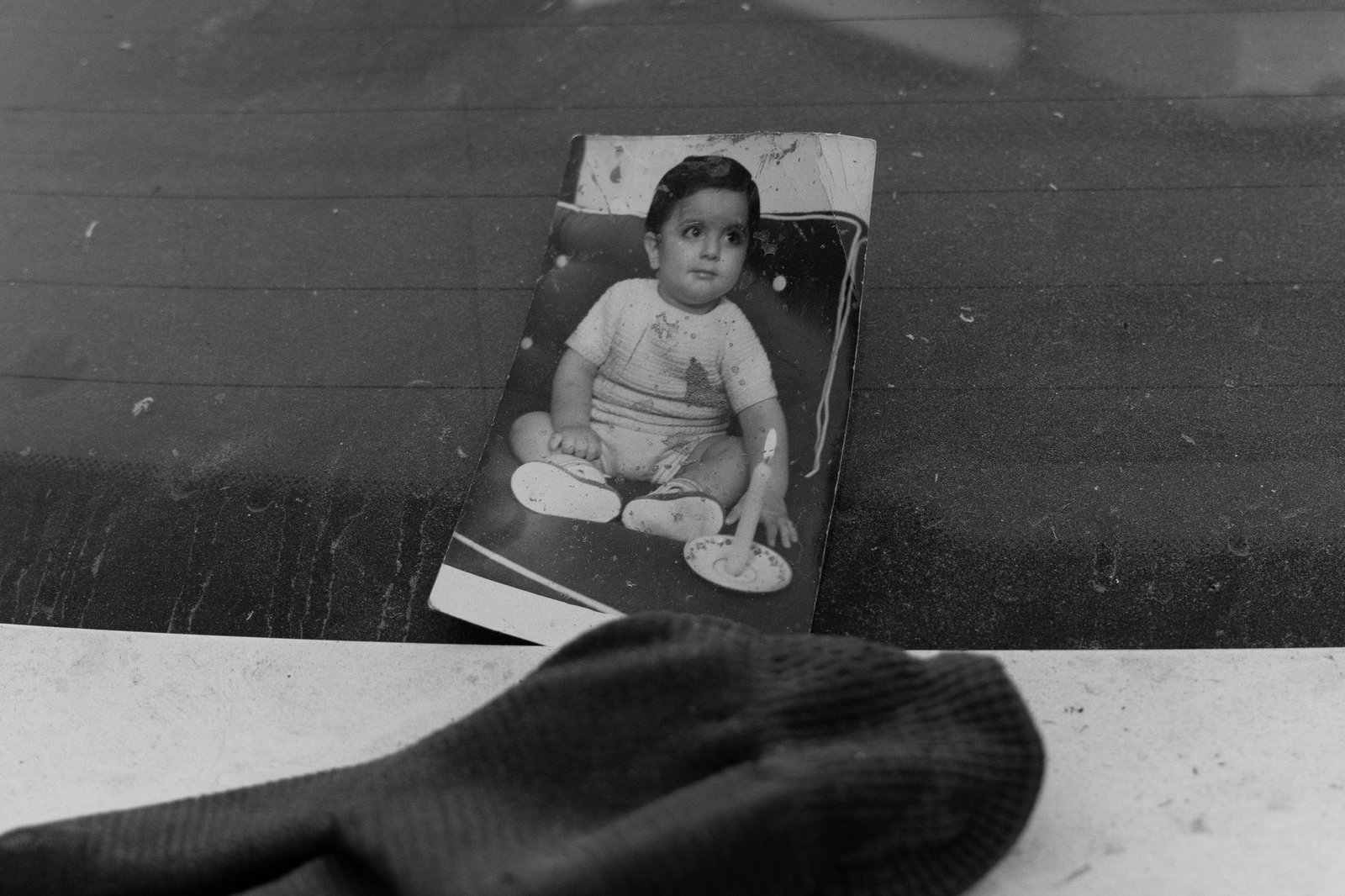
An alarming incident has surfaced involving a stepfather allegedly using an AI tool to transform an innocent childhood photo into explicit imagery. This shocking incident underscores the power, and peril, of AI applications capable of image manipulation.
**Artificial Intelligence** (AI) refers to systems or machines that can perform tasks normally requiring human intelligence. One such task is image generation, where AI can create or alter visual content. While this technology holds great promise for creative industries, it also harbors potential for abuse.
How AI Image Generation Works
Imagine you have a sophisticated digital artist at your disposal. AI image generators function somewhat like this by using complex algorithms to manipulate and generate images based on given inputs. These systems, powered by **neural networks**—a type of machine learning model inspired by the human brain—analyze patterns and features in data, such as photos, to understand and recreate them in different forms.
For example, **Grok**—an advanced AI tool—can be directed to alter an image by changing its components while maintaining realistic visual elements. This form of technological wizardry can augment creativity but also facilitate unethical use, as seen in the troubling account highlighted above.
Tangible Analogy: The Sculptor’s Block
Think of AI image generators like a virtual sculptor. Given a block of marble (the original image), the AI can chisel away and reshape it into something entirely different, for better or, unfortunately, worse. What once required human skill can now be accomplished with machine precision, posing both a boon for artistry and a bane when misused.
Ethical Dilemmas and Societal Impact
The incident raises profound ethical questions about AI’s role and limits in our lives. The challenge lies in **balancing innovation with responsibility**. While technology progresses at a breakneck pace, policies and public understanding must catch up to ensure it’s harnessed for good.
This scenario also highlights the dire need for robust safeguards against misuse. Regulatory frameworks must evolve to address the nuances of AI technology, ensuring tools like Grok are used ethically and responsibly without stifling innovation.
Looking Ahead: AI’s Role in Society
As we forge ahead into an AI-driven era, it’s vital to nurture a synergy between technological advancement and ethical standards. Future developments in AI should come hand-in-hand with frameworks that prevent abuses and protect vulnerable individuals.
Ultimately, the intersection of AI and human values will determine how these powerful tools shape the world. By addressing today’s challenges, we lay the groundwork for a future where AI can enhance, rather than compromise, our societal fabric.
