




Imagine a world where **AI data centers** run efficiently, minimizing their environmental footprint while maximizing output. Nvidia believes they’ve found a solution. Their innovative approach aims to transform how we think about the resource consumption of these technological powerhouses.
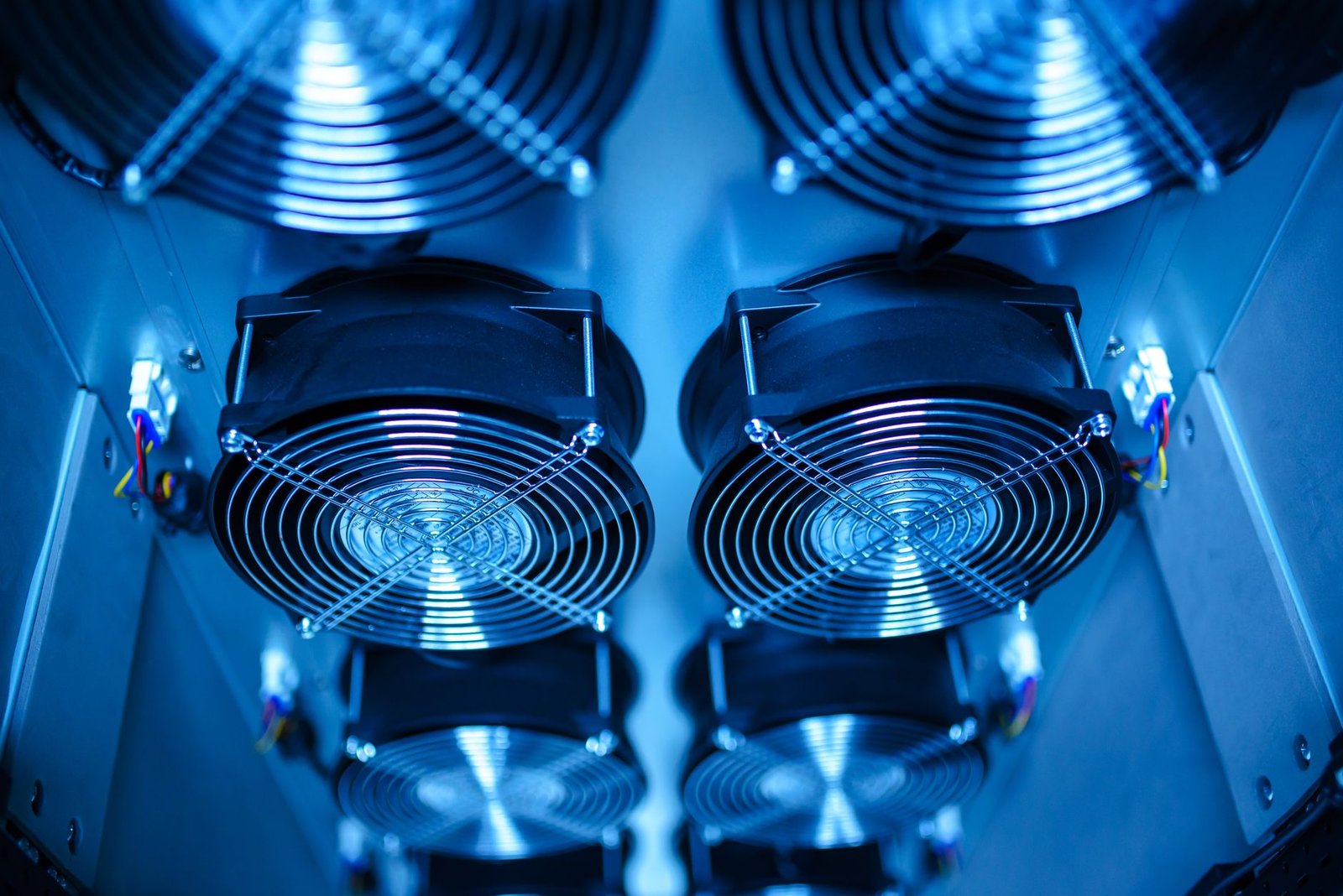
Key Takeaways
- Nvidia introduces a fully liquid-cooled data center design to reduce energy and water usage.
- Liquid cooling helps operate data centers at higher temperatures, using less water.
- Challenges remain, including environmental concerns during construction.
- The impact on long-term costs and energy efficiency is still under analysis.
- Potential implications for the future of AI infrastructure are profound.
Rethinking Data Center Efficiency
Data centers serve as the nerve centers for **artificial intelligence operations**, managing vast amounts of data and computation. These facilities traditionally rely on air cooling, which, while effective, consumes considerable water and energy. Nvidia’s Rubin generation design introduces **liquid cooling**—a method that replaces air with specially formulated liquids to dissipate heat more effectively.
What’s Liquid Cooling?
In simple terms, imagine your computer running on a particularly hot day. Liquid cooling is like replacing your fan with a cool breeze running through water pipes. The system circulates coolant to absorb heat, producing less strain on resources by allowing the equipment to operate at higher temperatures. This boosts efficiency as less energy is required to cool the environment.
Environmental Impact and Concerns
By adopting liquid cooling, Nvidia claims its data centers can operate with **minimal water usage**, nearly eliminating one of the big environmental stressors of traditional data centers. This shift could significantly **reduce carbon footprints** by using less power and water.
Unanswered Questions
While Nvidia’s claims are promising, skeptics point out areas needing further scrutiny. For instance, the construction process of these data centers could still produce environmental challenges. Additionally, the real costs associated with switching from traditional air-cooled systems to advanced liquid-cooled setups remain largely unaddressed. Are the initial investments worth the long-term savings? That’s a question yet to be determined.
Real-World Example
Consider the workings of a modern car engine. Switching to liquid cooling for data centers is akin to a car transitioning from an air-cooled to a fully liquid-cooled engine, enhancing performance and efficiency while reducing emissions. Car engines that use liquid cooling tend to operate smoother and longer without the risk of overheating, similar to how Nvidia predicts its new data centers will function.
The Future of AI Data Centers
The transformation to liquid-cooled data centers could spark an evolution in AI infrastructure. As AI continues to expand across various sectors—from healthcare to finance—its demands will only increase. By honing in on sustainable approaches, Nvidia is possibly **paving the way** for an eco-friendlier tech industry.
Looking ahead, the success of Nvidia’s model might prompt other tech giants to reconsider their infrastructure, leading to broader adoption of sustainable practices in AI. This could not only revolutionize energy usage but also set new industry standards that balance technological progress with environmental responsibility.
“`
