



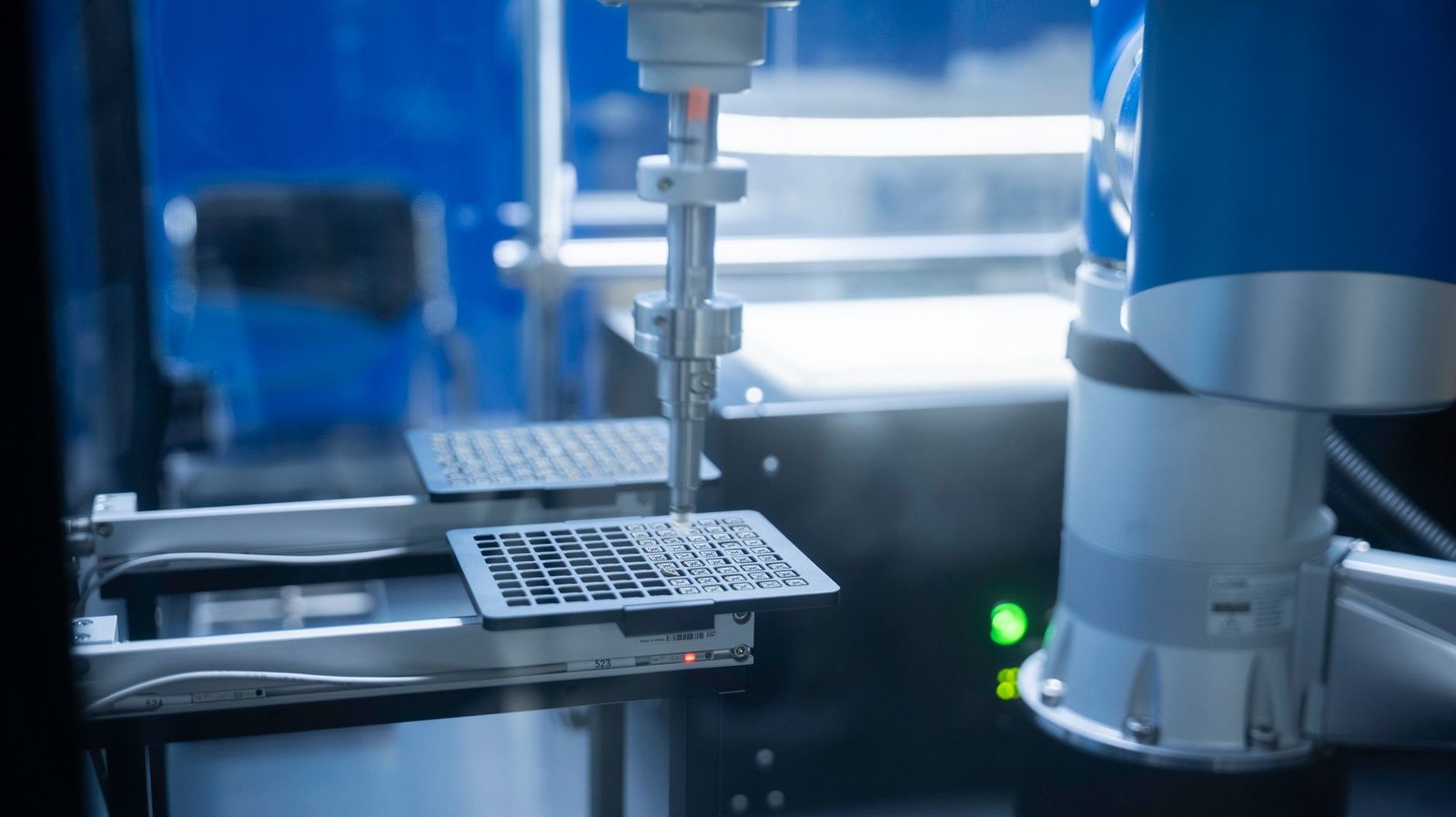
As the automotive world hurtles towards a future dominated by automation, even giants like Ford are finding that technology isn’t always the panacea it seems. The automaker’s recent revelation about its need to bring back veteran engineers to rectify its robotic systems’ blunders underscores a vital lesson: while **automation** has the potential to revolutionize industries, it’s not without significant challenges.
Key Takeaways
- Ford had to rehire former engineers to solve issues caused by automated systems.
- Automated systems require high-quality data for optimal performance.
- Even with advanced technology, human expertise remains crucial.
- The future of automation involves refining data quality and understanding its limits.
- Ford’s experience highlights the balance needed between automation and human oversight.
The Challenges of Automation in the Auto Industry
Ford’s ranking as the top mainstream automaker in JD Power’s initial quality survey highlights both its triumphs and tribulations. Embracing **automated systems** for production and design processes was a strategic move meant to streamline operations and increase precision. However, the reality proved more complex. As these systems integrated into the workflow, it became evident that they weren’t as infallible as expected. This necessitated the recall of former engineers to mitigate the issues that arose.
The Role of Data in Automation
At the heart of Ford’s predicament is the significance of data quality. Automated systems function by relying on **AI models**, which are essentially complex algorithms trained using vast datasets. If the data is flawed or incomplete, the system’s decisions and actions will mirror these imperfections. In Ford’s case, the lack of sufficiently robust data hampered the robots’ efficiency, leading to costly errors that human expertise had to fix.
AI: A Double-Edged Sword
While AI holds transformative power, it also harbors potential pitfalls. Ford’s experience illustrates that success with AI doesn’t solely rest on sophisticated technology but rather on the conscientious integration of human knowledge. As Ford discovered, sometimes **the human touch** is irreplaceable, serving not just to oversee the technology, but to resolve shortcomings that arise from its adoption.
The Human Factor
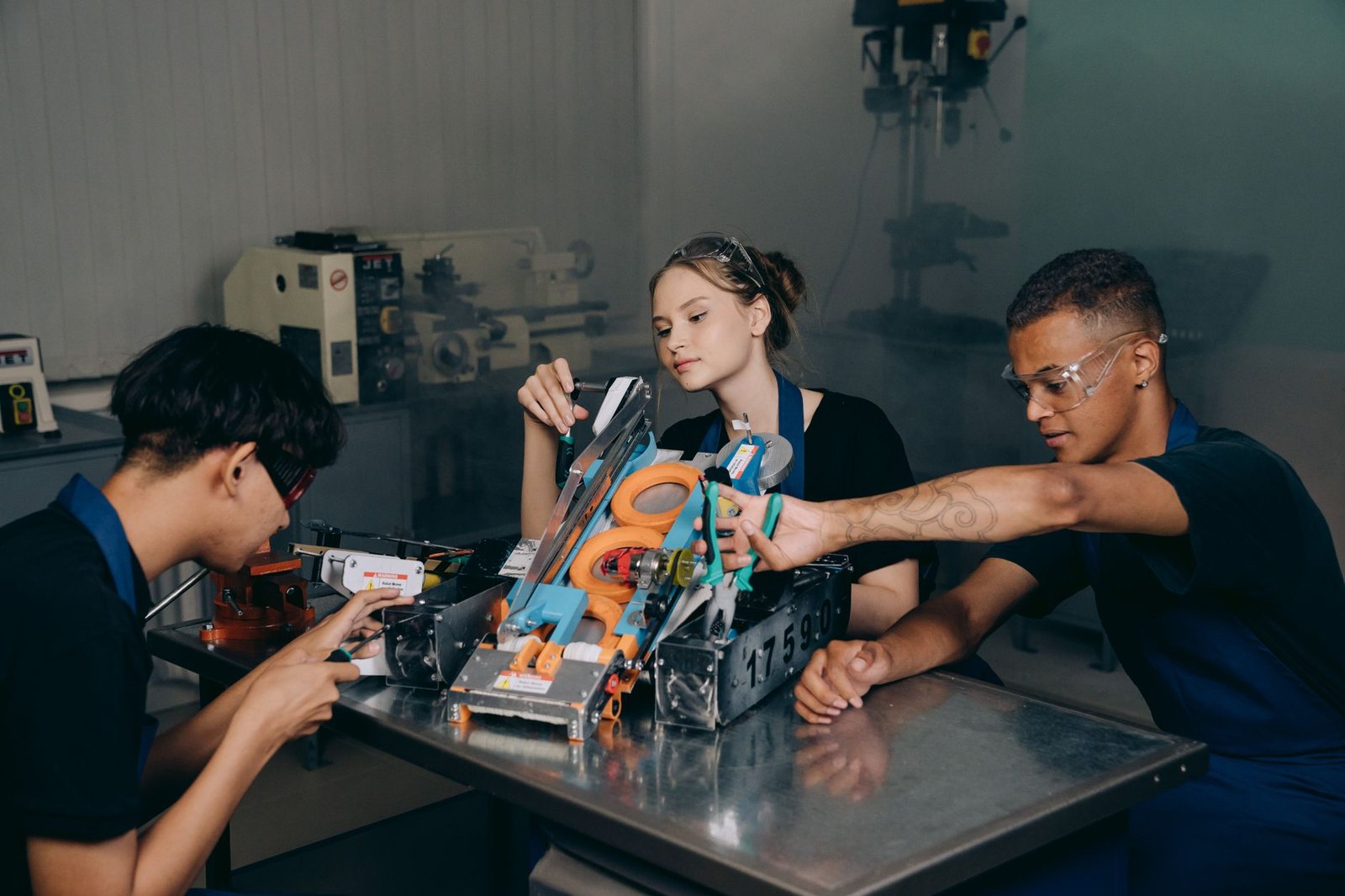
Bringing back their seasoned engineers was akin to calling back a seasoned crew to guide a ship through unfamiliar waters. These professionals possess the institutional knowledge and problem-solving skills that AI hasn’t yet mastered. It’s a potent reminder that, while computers can handle repetitive tasks efficiently, nuanced problem-solving—especially regarding unforeseen glitches—remains a uniquely human domain.
Analogies in Automation
Consider the relationship between a pilot and autopilot in an aircraft. While autopilot systems handle a flight’s mundane aspects seamlessly, the human pilot remains indispensable for navigating unexpected turbulence and making informed decisions when the unexpected occurs. Similarly, Ford learned that, despite AI’s potential, human insights are crucial, especially when navigating the complexities of manufacturing.
The Road Ahead for AI in Manufacturing
Ford’s journey with automation is a testament to the importance of pursuing a balanced approach. As technology evolves, so must our strategies for using it effectively. The **future of AI** in manufacturing and beyond hinges on developing smarter models, improving data quality, and maintaining a critical role for human oversight. By embracing the nuances of both machine capabilities and human judgment, industries can leverage AI’s full potential while avoiding its pitfalls.
