

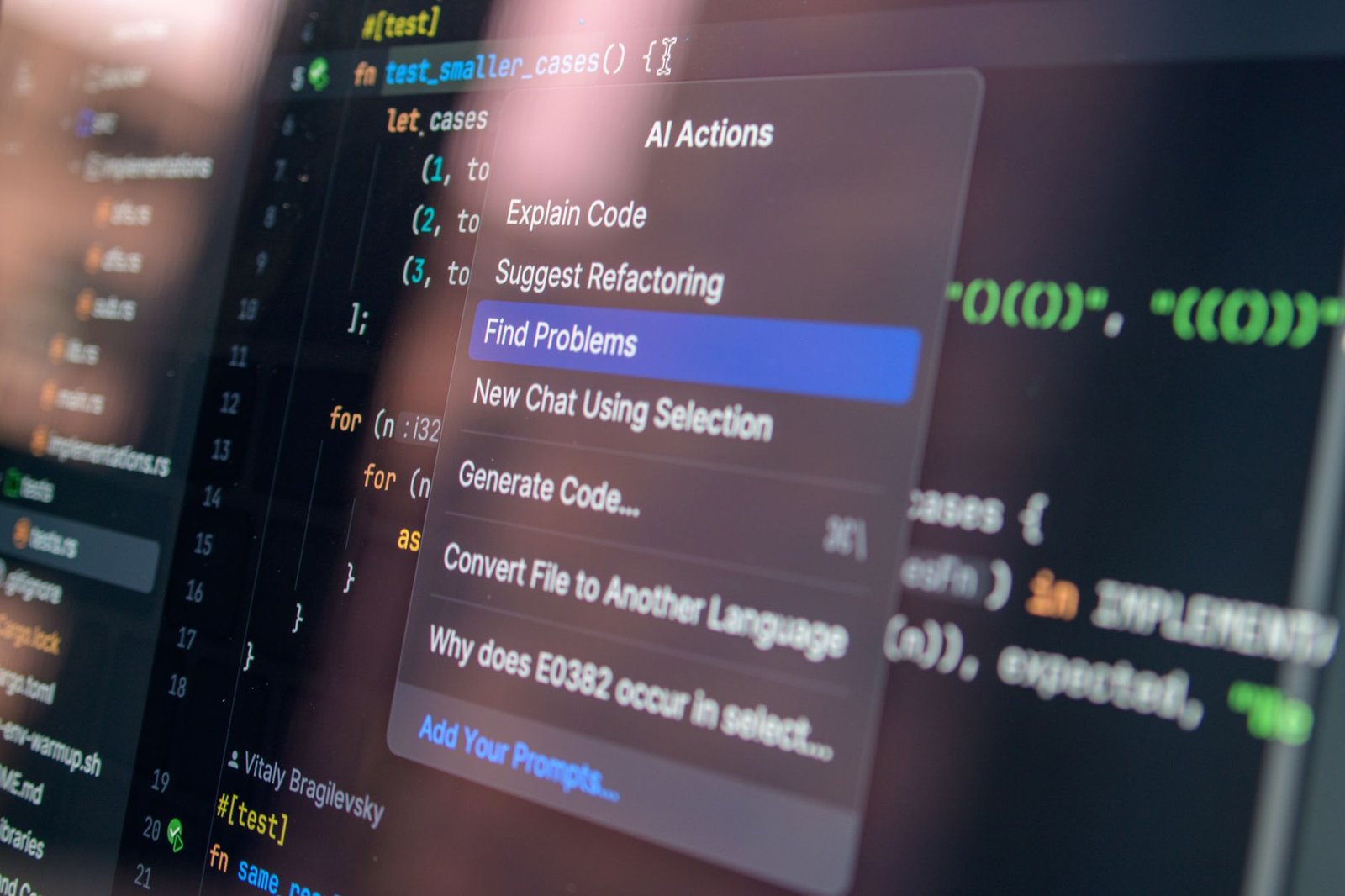
In the rapidly evolving world of artificial intelligence, having access to powerful coding tools without breaking the bank is a game-changer. Imagine a robust AI coding assistant that doesn’t cost a dime yet competes with premium options. Enter Goose, an open-source marvel offering autonomy and affordability that challenges established players in the AI industry.

- Goose runs locally on a user’s machine, maintaining data privacy and eliminating dependency on cloud services.
- Claude Code’s subscription-based model is cost-prohibitive for many developers, while Goose is entirely free.
- Installation of Goose requires moderate technical skills but provides significant flexibility and control.
- Goose supports multiple language models, allowing users to tailor their tools according to needs and capabilities.
- The open-source nature of Goose encourages continuous community-driven improvements and updates.
The Price Challenge: Claude Code vs. Goose
**Claude Code**, by Anthropic, revolutionized AI coding by helping automate the writing and debugging of code. However, its price tag—ranging from $20 to $200 monthly—has created frustration among developers. Like a premier streaming service, it restricts operations with usage caps that many exhaust minutes into their sessions.
Goose: The Cost-Free Contender
In stark contrast, **Goose** offers a similar feature set without the financial burden. Developed by Block, it operates entirely on the user’s local machine, promising both privacy and independence from internet connectivity. With no subscription fees, developers can harness AI’s potential without budgeting woes.
Understanding the Intricacies of AI Coding Tools
AI agents like Goose function by executing code and managing tasks via a local interface. Unlike Claude Code, Goose empowers programmers by keeping all operations on their hardware. This approach not only ensures data control but also sidesteps frequent cloud dependencies.
Real-World Impact: From Theory to Practice
Consider this analogy: deploying Goose on your laptop is akin to having a skilled mechanic on standby in your garage, ready to service your car. You don’t need to wait for appointments, and you control every part of the process. This autonomy reassures developers wary of data breaches and network downtime.
Setting Up Goose: A Primer
Installing Goose involves a few straightforward steps. The main components are Goose itself, a tool like **Ollama** for running language models locally, and a compatible model of choice. Despite needing more setup effort compared to one-click cloud services, the result is a customizable tool offering superior privacy benefits.
The Hardware Equation
Running advanced models requires sufficient computational resources. For most setups, a robust machine with about 32GB of RAM is optimal, although smaller models can function on more modest systems. This might mean upgrading hardware for some, but it also opens pathways to extensive model experimentation without cloud costs.
The Future of AI Development Tools
The availability of a free, flexible alternative like Goose signals a shift in developer empowerment. As open-source models continue to mature, they may substantially diminish the allure of premium options like Claude Code. Should proprietary tools wish to remain competitive, they might soon need to pivot towards unique features and exceptional user experiences instead of relying on exclusivity. For developers, the horizon is bright with possibilities, embracing tools that respect freedom and financial constraints, fostering innovation and creativity like never before.
