



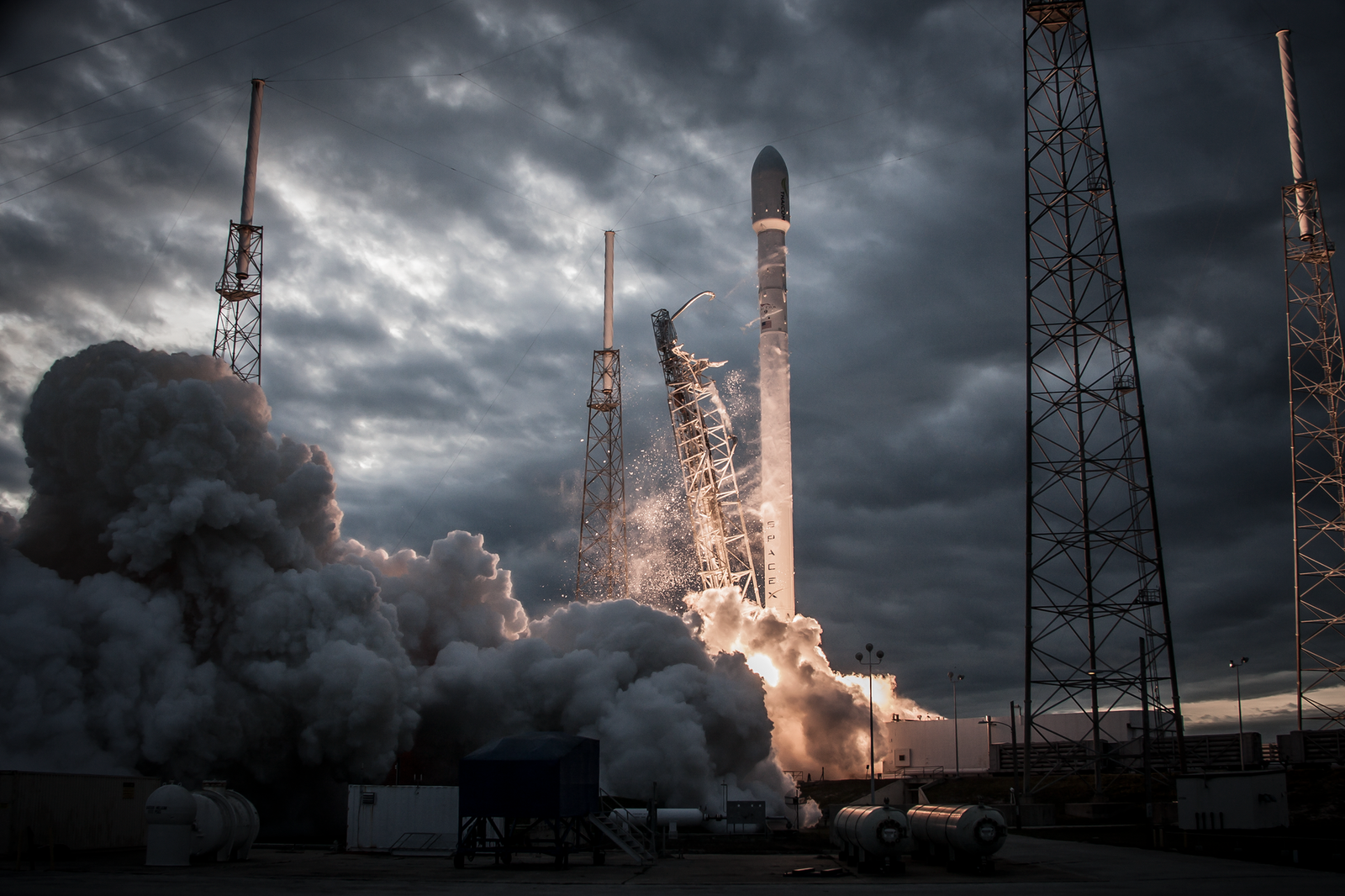
Imagine a world where rockets glide back to Earth, landing smoothly on precise targets like synchronized dancers. This future might be closer than you think as nations and companies race to perfect the technology of booster landing.
Key Takeaways
- China is on the brink of testing booster landing technology.
- Several U.S. rockets are poised to make their debut this year, though uncertainty persists.
- Rocket Lab set a new rapid launch record, responding quickly to a military request.
- Understanding booster landing tech can unlock more sustainable space travel.
The Global Rocket Landscape
As we edge towards the midpoint of 2026, the global stage is set for significant advancements in space technology. The spotlight is particularly bright on **China**, with whispers circulating about their plans to test **booster landing technology**. Imagine the technical prowess required to land a part of a rocket post-launch, a feat only a few have attempted and even fewer have mastered.
The U.S. Rocket Countdown
In the U.S., we find an exciting lineup on the launchpad, though they’re shrouded in uncertainty. **Rocket Lab’s Neutron**, **Stoke Space’s Nova**, **Relativity Space’s Terran R**, and **Astra’s Rocket 4** represent ambitious projects aiming for the stars, each with its unique innovations and challenges. However, the betting line is skeptical that more than half of these will launch within the year.
Booster Landings: A Technical Marvel
**Booster landings** involve returning the first stage of a rocket to a specific location intact after launch. This technology benefits from reusability, cutting down costs, and increasing the frequency of launches. Imagine it like returning a basketball to the court through a hoop from orbit; the precision and skill required are immense.
Rocket Lab’s Rapid Response
Last week, **Rocket Lab** achieved what seemed impossible, launching the **Victus Haze mission** a mere 16 hours and 42 minutes after receiving the Notice to Launch from the U.S. Space Force. This fast-paced operation crushed the previous record by over 10 hours. Interestingly, the mission wasn’t broadcasted through the usual livestreams, leaving notices for aviators and sailors as the only public alerts of the impending launch.
Real-World Analogy: Race Car Pit Stops
To understand the scale of Rocket Lab’s achievement, think about a **Formula 1 pit stop**. The crew prepares for every outcome, pivots plans in seconds, and executes with flawless coordination. Just as race cars need swift tire changes to keep competing, rockets require quick turnarounds for rapid deployment.
Looking Forward
The developments in booster landing and rapid launches point towards a revolution in how humanity approaches space travel. As China gears up for its own attempts and companies like Rocket Lab refine rapid deployment, the barriers to frequent and sustainable space exploration diminish. This could herald an era where space travel becomes as routine as boarding a plane, democratizing access to our solar system.
With these advancements, the door is open for future AI-powered innovations in the space industry. The integration of AI could optimize launch schedules, predict landing trajectories with unprecedented accuracy, and even aid in designing the next generation of space-faring vehicles.
