



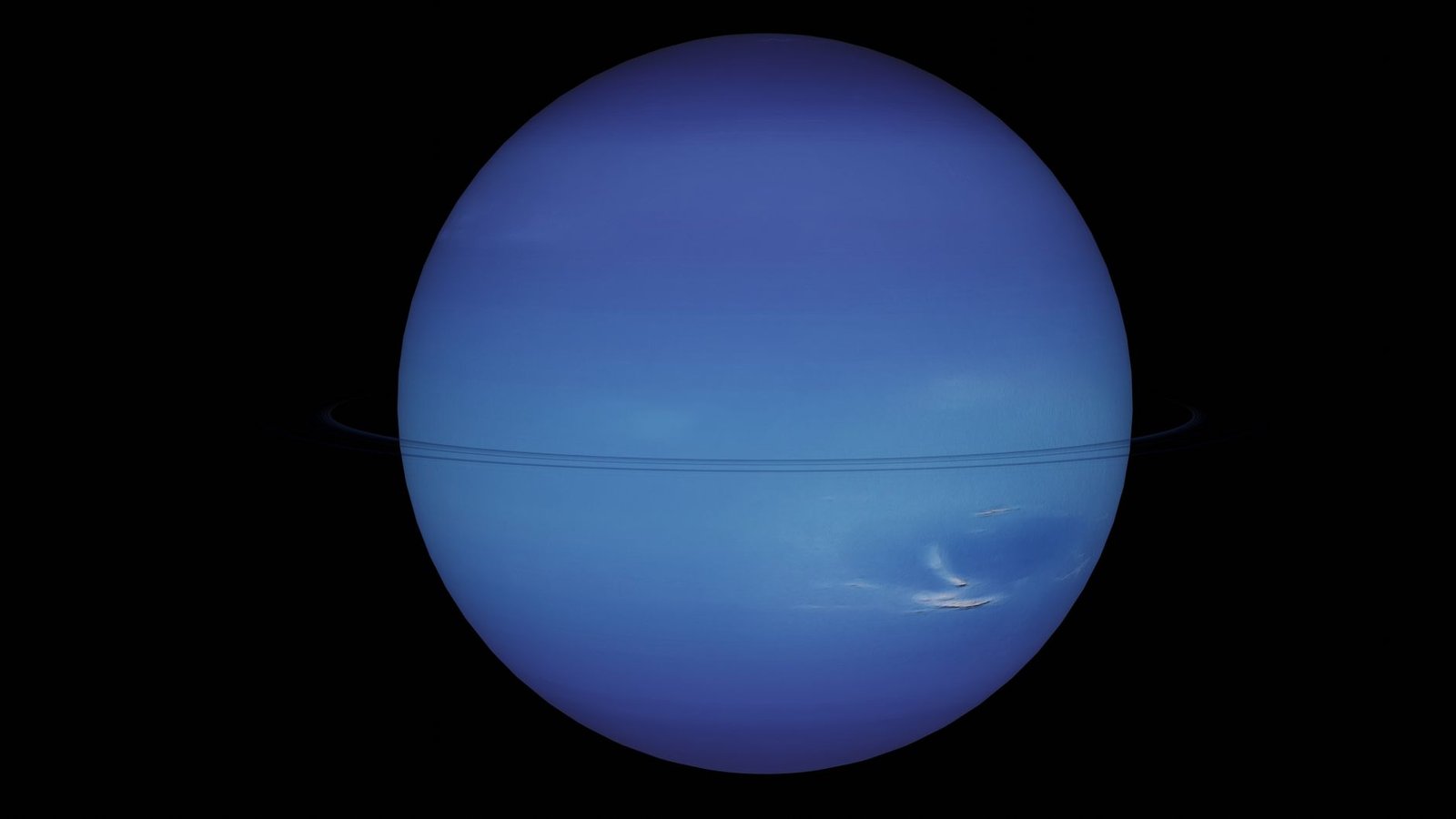
The universe never ceases to amaze with its peculiar wonders. One such anomaly that has intrigued astronomers is **WD 1856 b**, a planet that seems to defy cosmic norms by surviving the death throes of a dying star. What secrets does this celestial oddity reveal?
Key Takeaways
- WD 1856 b is a rare planet that survived the death of a star resembling our Sun.
- It orbits a white dwarf, which is the remnant of a once-sunlike star.
- Astronomers used the advanced James Webb Space Telescope to delve deeper into this system.
- The discovery sheds light on planetary resilience in the face of stellar death.
- Understanding such systems could revolutionize our grasp of planet-star dynamics.
A Planet’s Unlikely Survival
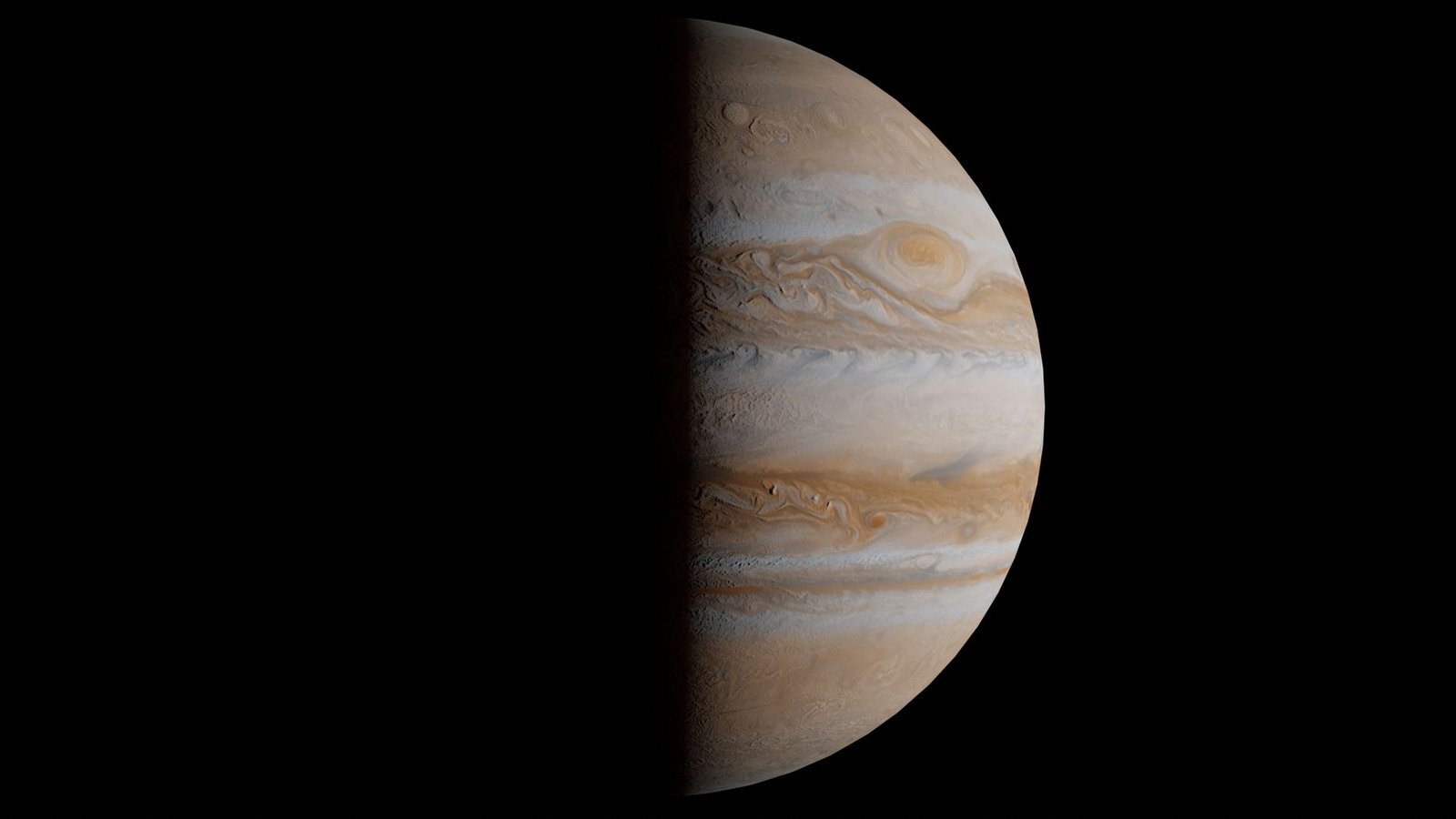
**WD 1856 b** represents a unique case in the universe. As a gas giant the size of Jupiter, it orbits a **white dwarf**, a dense, Earth-sized stellar remnant typically composed of elements like carbon and oxygen. White dwarfs form after a star similar to our Sun exhausts its nuclear fuel, swells into a red giant, and then sheds its outer layers. What remains is a core that cools over billions of years.
The Accidental Discovery
Astronomers stumbled upon WD 1856 b while scanning roughly 2,000 white dwarfs using the **TESS** (Transiting Exoplanet Survey Satellite) observatory in 2020. The mission aimed to identify small celestial objects like comets or asteroids that might transit these ancient stars. Instead, they uncovered a gas giant in orbit—a surprising find given the tumultuous conditions post-star death.
A Closer Examination with the James Webb Telescope
Armed with the **James Webb Space Telescope**, a tool known for its revolutionary capabilities, scientists finally got a detailed look at this fascinating system. Their findings only deepened the mystery. Understanding how a massive planet like WD 1856 b managed to escape destruction during the catastrophic red-giant phase challenges existing astronomical models.
A Cosmic Rollercoaster Ride
Imagine a planet resembling a **rollercoaster car** that barely escapes a collapsing amusement park. During its star’s red-giant phase, WD 1856 b navigated through extreme changes, potentially being tossed about like a toy. Yet, it survived the stellar deathroll, ending up in a surprisingly stable orbit around a white dwarf.
Implications for Future Research
The survival of WD 1856 b raises intriguing questions about the durability and resilience of planetary systems. Could there be other planets defying cosmic annihilation? This discovery encourages scientists to rethink planetary formation and evolution, especially in the post-red-giant scenario where logic suggests these planets should vanish or be destroyed.
For **AI and astronomy**, the implications are profound. Analyzing colossal datasets to identify such anomalies relies heavily on AI, making it a crucial player in future space exploration and research.
Looking ahead, the research on WD 1856 b might spark new AI-driven insights, leading to advancements in our understanding of planet survival mechanisms. As technology evolves, so does our opportunity to unlock the secrets of the universe, one star system at a time. This paves the way for an exciting future where AI and astronomy continue their celestial dance towards discovery.
