



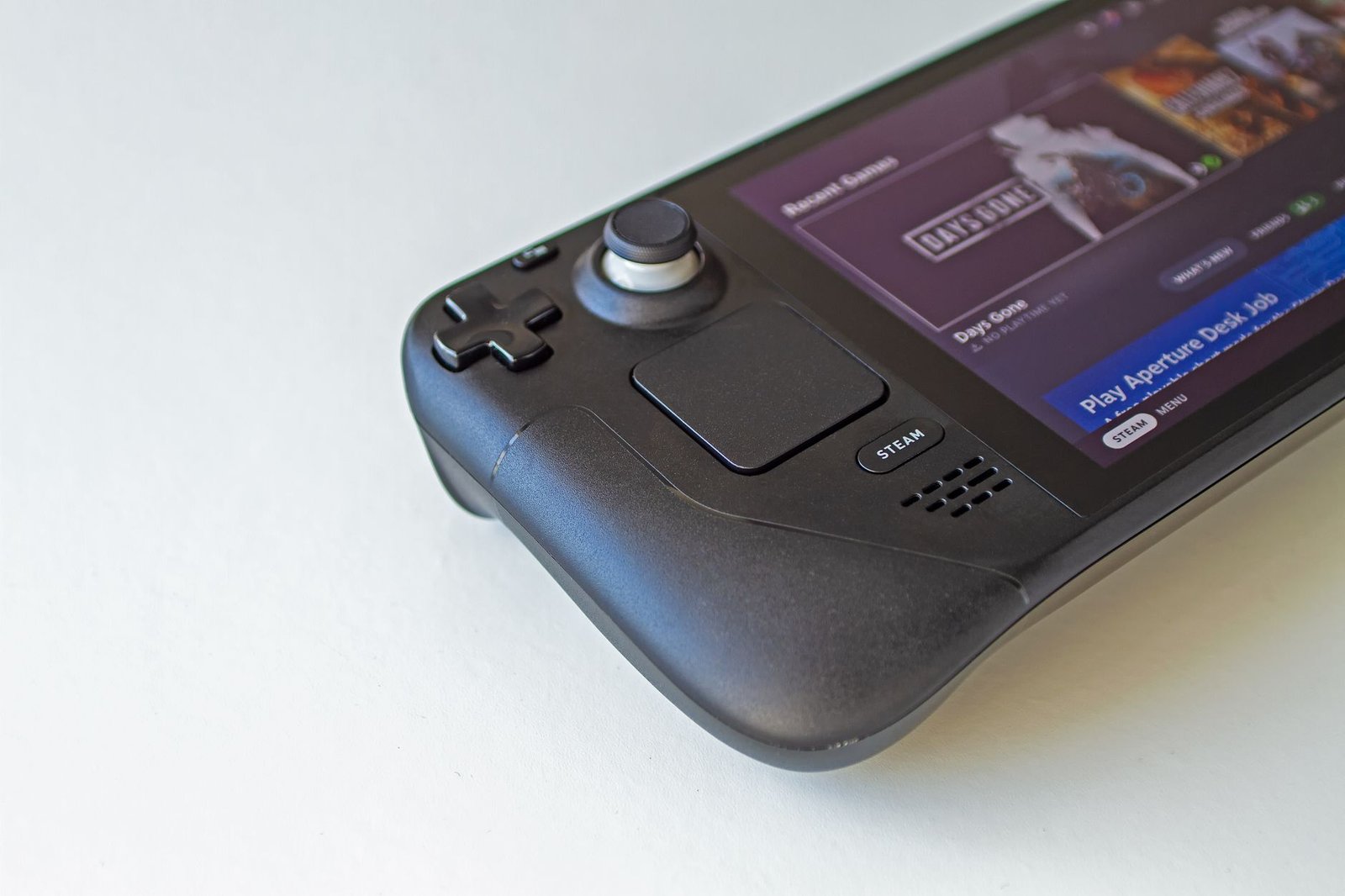
In the evolving world of gaming, **Valve’s expansion** into living room-friendly hardware offers an exhilarating twist. However, their **new verification system** for the Steam Machine leaves some stones unturned, particularly concerning those games that challenge the limits of the previous Steam Deck. So, what’s happening behind the scenes?
Key Takeaways
- Valve introduces Steam Machine verification for game compatibility.
- Verified Steam Deck games are likely to work on Steam Machine.
- Some high-demand games are still “unsupported” on Steam Machine.
- Verification helps navigate a middle ground between compatibility and playability.
- Understanding this system is crucial for gamers seeking optimal performance.
The Need for a New Verification System
About a month ago, Valve, known for pioneering innovations in gaming, revealed an expansion of its **Steam Deck Verified program**. This program now encompasses the Steam Machine, a device oriented for the living room environment. The new verification system evaluates both the **compatibility**—does the game work at all?—and **playability**—is the gaming experience enjoyable?—of Steam games on the Steam Machine. This rating initiative provides valuable insights for gamers contemplating their next move.
The Steam Machine Advantage
The Steam Machine represents Valve’s foray into **living room-centric gaming**, designed to handle the demands of more robust hardware. If a game holds verification on the portable **Steam Deck**, it’s almost a given that it will smoothly transition onto the more powerful Steam Machine. However, the reverse isn’t always true. Some games deemed “unsupported” on the Steam Deck find new life on the Steam Machine.
Challenges: The Murky Middle Ground
Despite the ease with which players can identify compatible games, the **middle ground** remains complex. This consists of titles verified to load on the Linux-based **SteamOS** (the operating system for both devices) but are categorized as “unsupported” on the Steam Deck. Essentially, these games demand more graphical power than the Steam Deck’s specs can sustain at the default 1200×800 resolution and 30 frames per second (fps). The **Steam Machine**, requiring a minimum of 1080p and 30 fps, offers a better platform—but doesn’t guarantee flawless execution.
Real-World Analogy
Think of the Steam Machine like upgrading from a compact car that can just handle city roads to a new SUV ready for off-road terrains. While both vehicles can take you places, the SUV’s enhanced capabilities mean it can conquer challenges that were once insurmountable. Likewise, the Steam Machine opens the door to games that were previously off-limits, but a potent engine (hardware) and clear paths (optimized games) are still prerequisites.
Current Limitations and Future Implications
Despite excitement around the **Steam Machine**, Valve acknowledges it is “still learning about” compatibility issues for several high-performance games. These limitations suggest ongoing development within their verification procedures, potentially leading to refined, user-friendly gaming experiences in the near future.
Looking to the Future
The evolution of Valve’s verification programs indicates more than a chance for improved gaming. This development mimics broader **AI trends** where algorithms learn and refine their outputs over time, showcasing a dynamic environment. As gamers, developers, and AI enthusiasts, understanding these modifications provides a window into the continuously shifting landscape of technological capabilities and entertainment experiences.
