


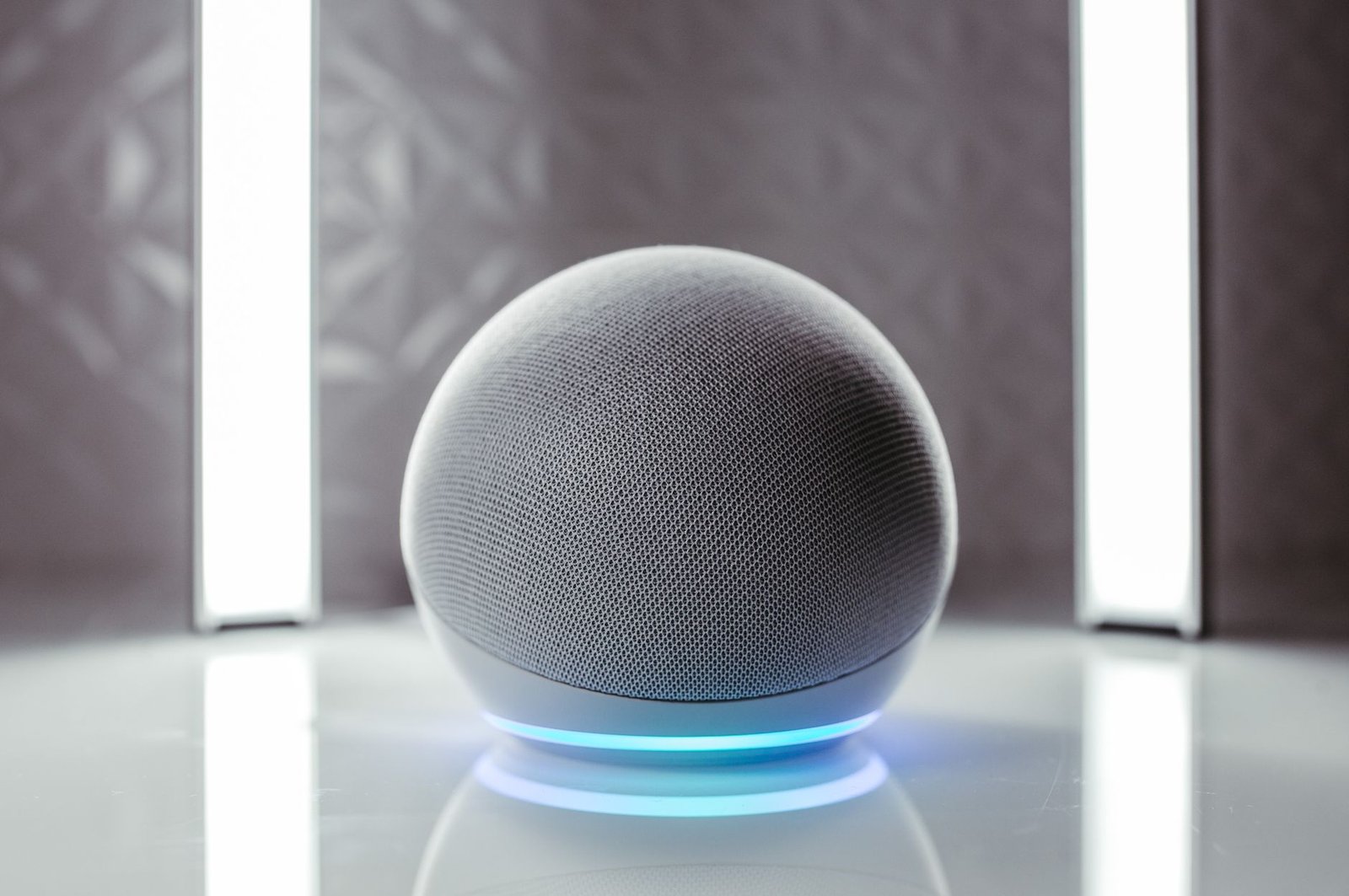
Imagine effortlessly managing your daily tasks, from scheduling meetings to drafting emails, using just your voice. Anthropic is turning this dream into reality with their updated Claude voice mode. Powered by more advanced models, this feature aims to redefine how we interact with technology, making it as seamless as having a conversation with a friend.
- Anthropic’s Claude voice mode has received significant updates with improved models, boosting its capabilities.
- This upgrade enhances tasks like scheduling, email drafting, and expands conversational possibilities.
- Claude leverages AI models to simplify complex tasks using natural language processing (NLP).
- The technology is set to impact professional and personal productivity, making everyday tech interactions smoother.
- The evolution of Claude represents a step forward in the integration of AI-driven voice technologies.
The Evolution of Voice-Activated AI
In recent years, we’ve seen a surge in voice-activated technologies, from smartphones to smart home devices, transforming the way we access information and perform tasks. **Natural Language Processing (NLP)**, a facet of artificial intelligence, is critical to these technologies. NLP enables computers to understand, interpret, and respond to human language in a meaningful way. Anthropic’s Claude is a testament to these advancements, designed to comprehend complex language nuances and execute instructions precisely.
Understanding Claude’s New Features
At its core, the upgraded Claude voice mode capitalizes on enhanced AI models that delve deeper into language comprehension and task execution. Whether you’re **rescheduling a meeting** or drafting an email, Claude makes these operations intuitive and efficient. The system learns and adapts from interactions, ensuring that responses are increasingly accurate and personalized over time.
How Does Claude Work?
Utilizing a blend of **machine learning algorithms** and **NLP**, Claude listens, processes, and executes commands given by the user. For instance, if you instruct Claude to reschedule a meeting, it parses the request using NLP to understand the intent, checks your calendar, and suggests optimal times based on availability, all while maintaining a conversational tone. This level of understanding stems from its robust training data and sophisticated model architecture.
A Tangible Example: Your AI Assistant
Consider an executive juggling multiple commitments throughout the day. Instead of clicking through calendars and typing out emails, they can simply vocalize, “Claude, push my 2 PM meeting to tomorrow and send an update to attendees.” Within seconds, Claude processes this directive, fills in the necessary details, and executes the task. This accessibility epitomizes the balance of **convenience and efficiency** offered by enhanced voice models.
The Impact on Daily Life and Work
The integration of such intelligent voice assistants is poised to transform both personal and professional landscapes. **Productivity gains** are one of the most significant benefits, as individuals can delegate mundane tasks to AI, freeing up time for more critical, thought-intensive work. This change not only streamlines workflows but also aligns with modern demands for greater efficiency and agility in handling everyday tasks.
Looking to the Future of AI
As AI-driven technologies like Claude continue to evolve, the potential applications are vast and profound. We can anticipate a world where **personalized AI interactions** are routine, enabling technology to become an even more innate part of our lives. With ongoing improvements in AI models, the future promises innovations that blur the lines between human and digital interactions, offering a more harmonious digital experience.
