



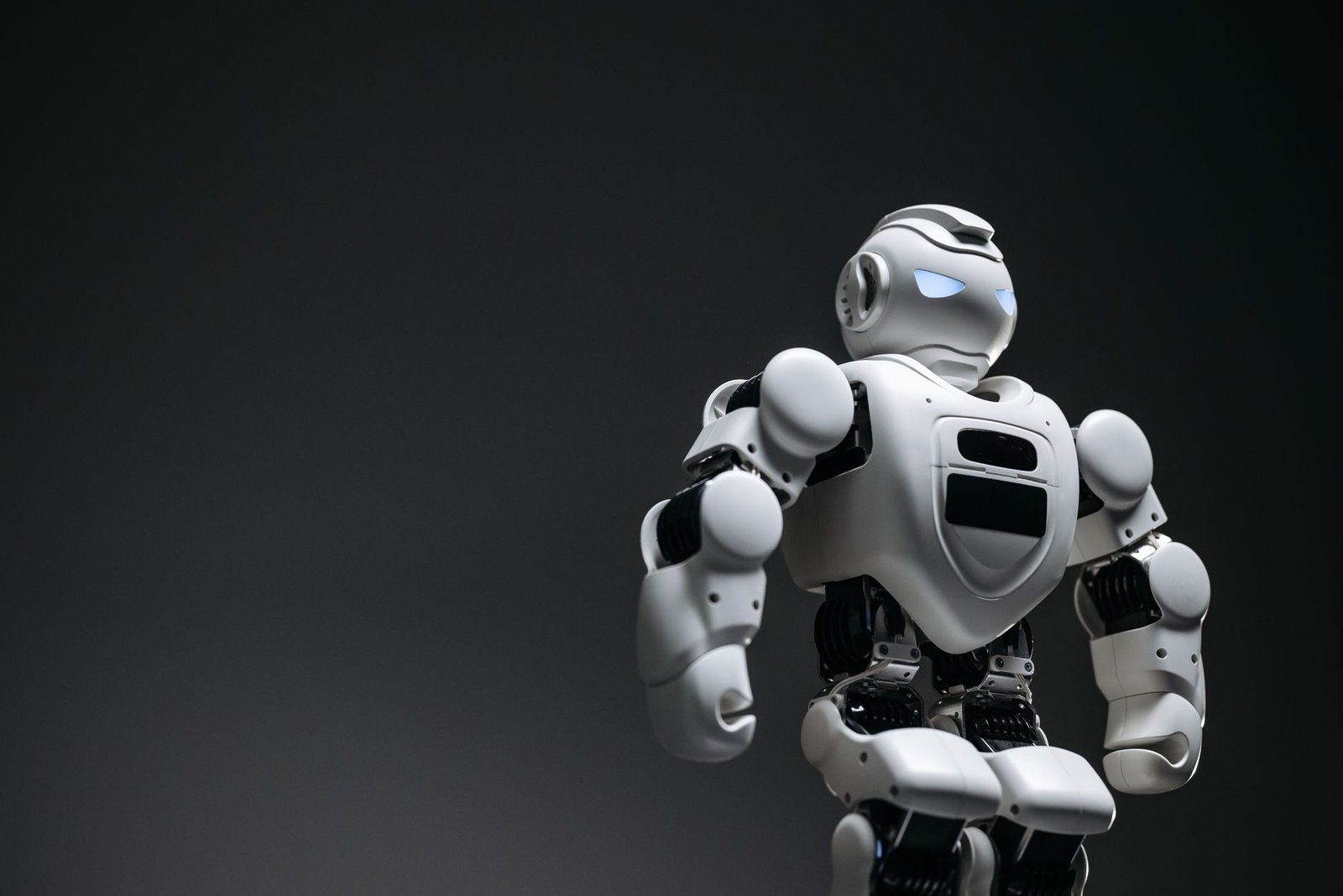
As the US imposes a sweeping ban on foreign-made robots, conversations about the balance between technological advancement and national security are thrust to the forefront. This regulatory move inevitably impacts both innovators and consumers.
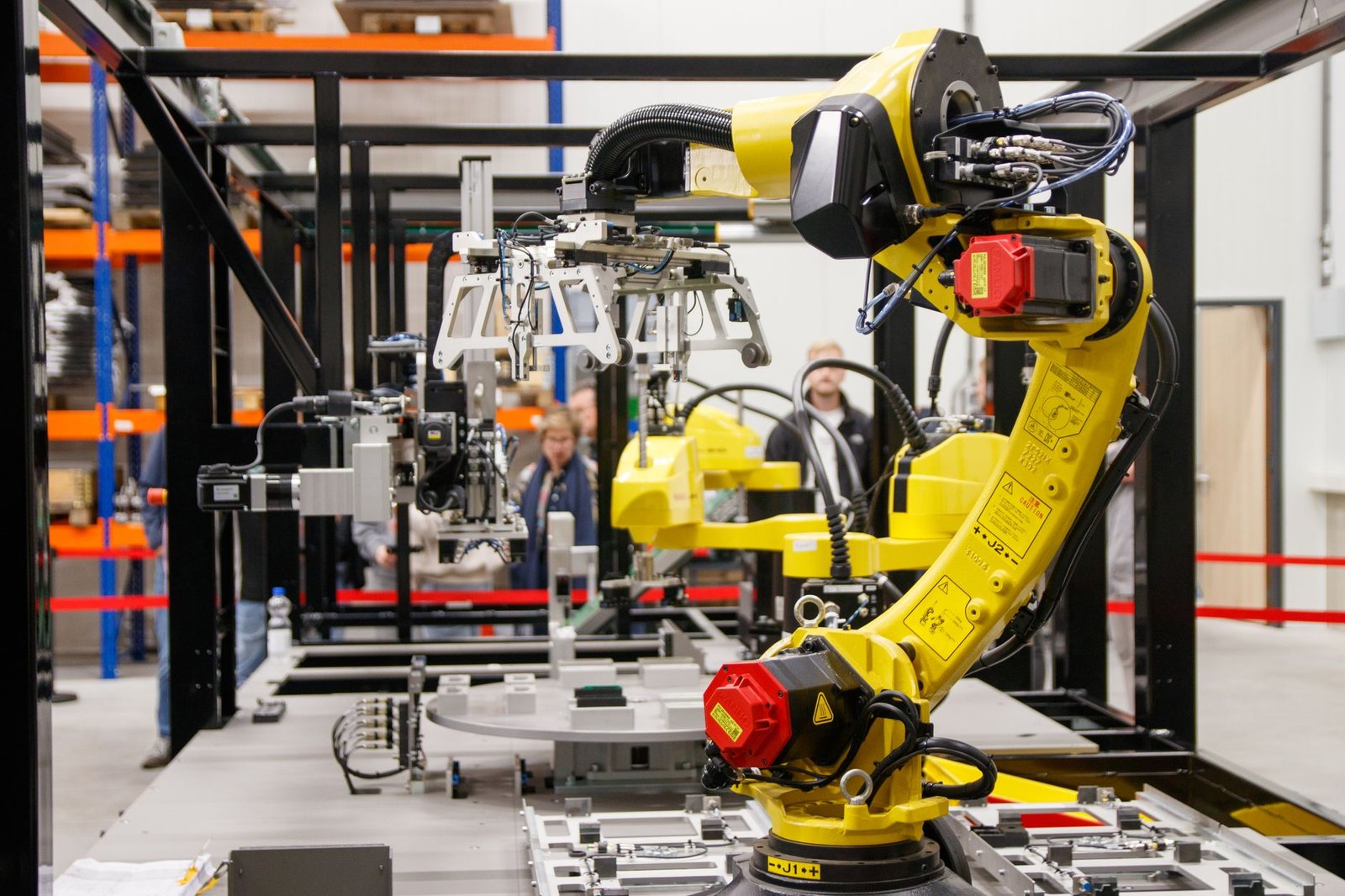
Key Takeaways:
- The US has banned a broad range of foreign-manufactured robots due to cybersecurity concerns.
- The decision specifically targets Chinese robotics companies but extends to other international players.
- National security concerns drive these prohibitions, as classified by US regulatory bodies.
- Impacts are far-reaching, affecting businesses, households, and technological progress.
- The future of AI and robotics innovation might pivot toward domestic manufacturing.
Understanding the US Ban on Foreign Robots
The recent decision by the US Federal Communications Commission (FCC) to prohibit certain foreign-manufactured robots stems from pressing national security concerns. Highlighting vulnerabilities in devices produced abroad, particularly from China, the move aims to mitigate risks associated with potential cybersecurity breaches. An executive branch interagency, incorporating national security stakeholders, triggered this legislative measure, focusing on “foreign-produced advanced robotic devices” deemed dangerous to US interests.
Why Target Robotics?
Robots, whether humanoid or four-legged, play significant roles in various sectors today, from home cleaning to industrial automation. However, like any connected technology, they are prone to vulnerabilities that can be exploited for hacking, data breaches, or unauthorized surveillance. Imagine a household robot intended to simplify daily chores but which inadvertently opens a digital window for external surveillance. Such scenarios justify the US’s stringent stance on foreign-manufactured robots, aiming to curb potential threats before they manifest.
Winners and Losers: Assessing the Impact
The ban extends the list of technologies scrutinized for security risks, affecting not only Chinese companies but a wide array of international robotics manufacturers. ***Domestic tech firms*** could see a surge in opportunities, tasked with filling the void left by now-restricted imports. This could ignite a renaissance of innovation within the US, where companies renew efforts to match or surpass their international counterparts.
A Closer Look at Consumers and Businesses
On the flip side, consumers could initially face reduced choices and potentially higher costs as the transition to locally-sourced robotics ramps up. Businesses reliant on cost-effective foreign devices might grapple with immediate operational challenges, necessitating rapid adjustments to domestic alternatives.
For instance, consider the analogy of a small business that relied on an affordable, foreign-made robotic vacuum to maintain its physical spaces. In light of the ban, this business must now explore US-manufactured options, likely influencing their budget and scale of operation.
What Lies Ahead for AI and Robotics Innovation?
This monumental directive could serve as a catalyst, encouraging a ***shift towards strengthening domestic technological capabilities***. By fostering a more self-reliant robotic ecosystem, the US might spur advances in AI integration and robotics development, prioritizing both innovation and security.
Looking further down the line, the landscape for AI and robotics is primed for significant transformation. As American companies focus on bolstering local production, we can expect a new era characterized by breakthroughs in ***machine learning*** and ***AI-driven automation***. The potential for safer, more secure, and innovative robotic solutions is palpable, highlighting how regulatory challenges can sometimes set the stage for technological evolution.
