



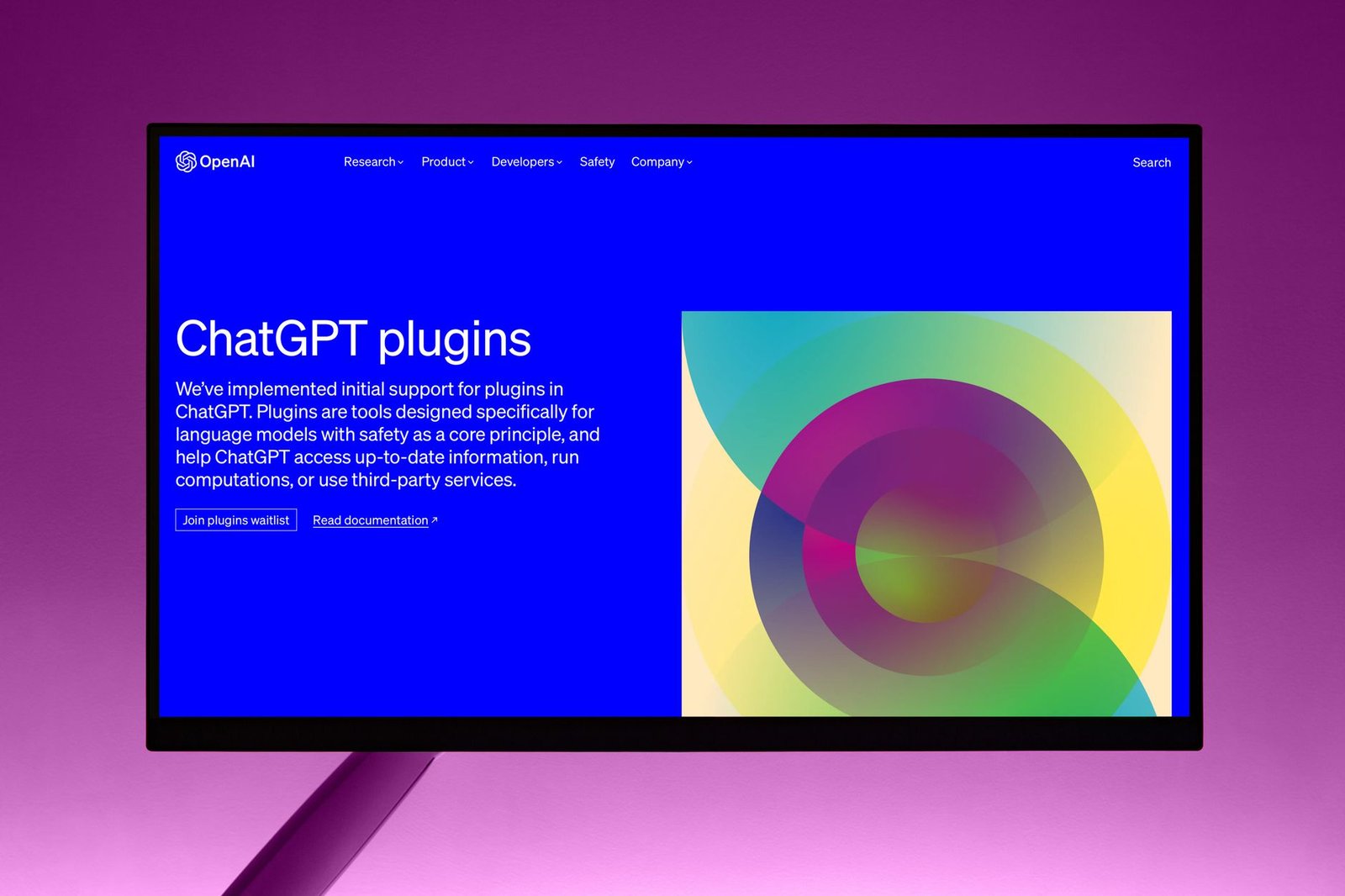
Imagine a world where the tools for groundbreaking research are readily accessible, fueling innovation at an unprecedented pace. OpenAI is bringing this vision closer to reality by offering free access to their most advanced AI models to a vast network of academic researchers.
Key Takeaways
- 100,000 academic researchers will receive free access to ChatGPT’s advanced AI models.
- This initiative aims to boost scientific research, foster collaboration, and drive discovery.
- Access to AI models can escalate the pace and quality of academic research.
- The potential for AI to solve complex problems and generate new ideas is immense.
- Real-world examples illustrate AI’s transformative impact on academia.
A Paradigm Shift in Academic Research
OpenAI’s decision to grant free usage of its most sophisticated AI tools to academic researchers marks a significant shift in the landscape of scientific discovery. **ChatGPT**, built on cutting-edge AI technologies, has the ability to process and analyze enormous datasets, offering insights that were previously unattainable. This is like having a virtual research assistant capable of sifting through mountains of information, freeing human researchers to focus on interpreting results and formulating new hypotheses.
Empowering Researchers with AI
The accessibility of advanced AI models-on-demand elevates academic inquiry to new heights. Researchers across various disciplines will now be able to leverage **machine learning** (the study of algorithms that improve through experience) to streamline their work. By delegating routine data analysis tasks to AI, scholars will have more time to engage in creative and innovative thinking. This democratization of AI assures that even smaller research institutions, which might previously lack resources, can compete on a global stage.
Collaboration and Discovery Accelerated
AI’s capability to bridge gaps between diverse academic fields fosters a rich environment for collaboration. Imagine a scenario where a physicist working on quantum computing is able to effortlessly exchange ideas with a biologist studying neural networks—thanks to AI-driven language models. This is akin to providing experts from disparate areas a common language, enabling them to tackle complex, interdisciplinary challenges with enhanced synergy.
Transforming Concepts into Reality
One compelling real-world analogy can be drawn from the transportation industry. Think of AI as a GPS for researchers, guiding them through the vast landscape of scientific literature and data. Just as a GPS can direct you to the fastest route, AI can highlight the most relevant studies, suggest potential methodologies, and even predict possible outcomes, significantly reducing the trial-and-error inherent in the research process.
Fostering New Frontiers
The potential applications of AI in academic research are boundless. From aiding in **drug discovery** (identifying potential new medications) to supporting climate change models, the possibilities are endless. AI’s predictive analytics and ability to recognize patterns pave the way for innovative solutions to some of the world’s most pressing problems. Furthermore, as these technologies continue to advance, the scope of what can be achieved grows exponentially.
Looking to the Future
As OpenAI’s initiative unfolds, the academic landscape is poised for transformation. By integrating AI deeply into the world of research, we are likely to witness more frequent and profound discoveries. The use of AI tools in academia not only propels existing fields forward but also spawns entirely new areas of study. With AI as a steadfast collaborator, the horizon of scientific possibility expands, promising a future where innovation knows no bounds.
