



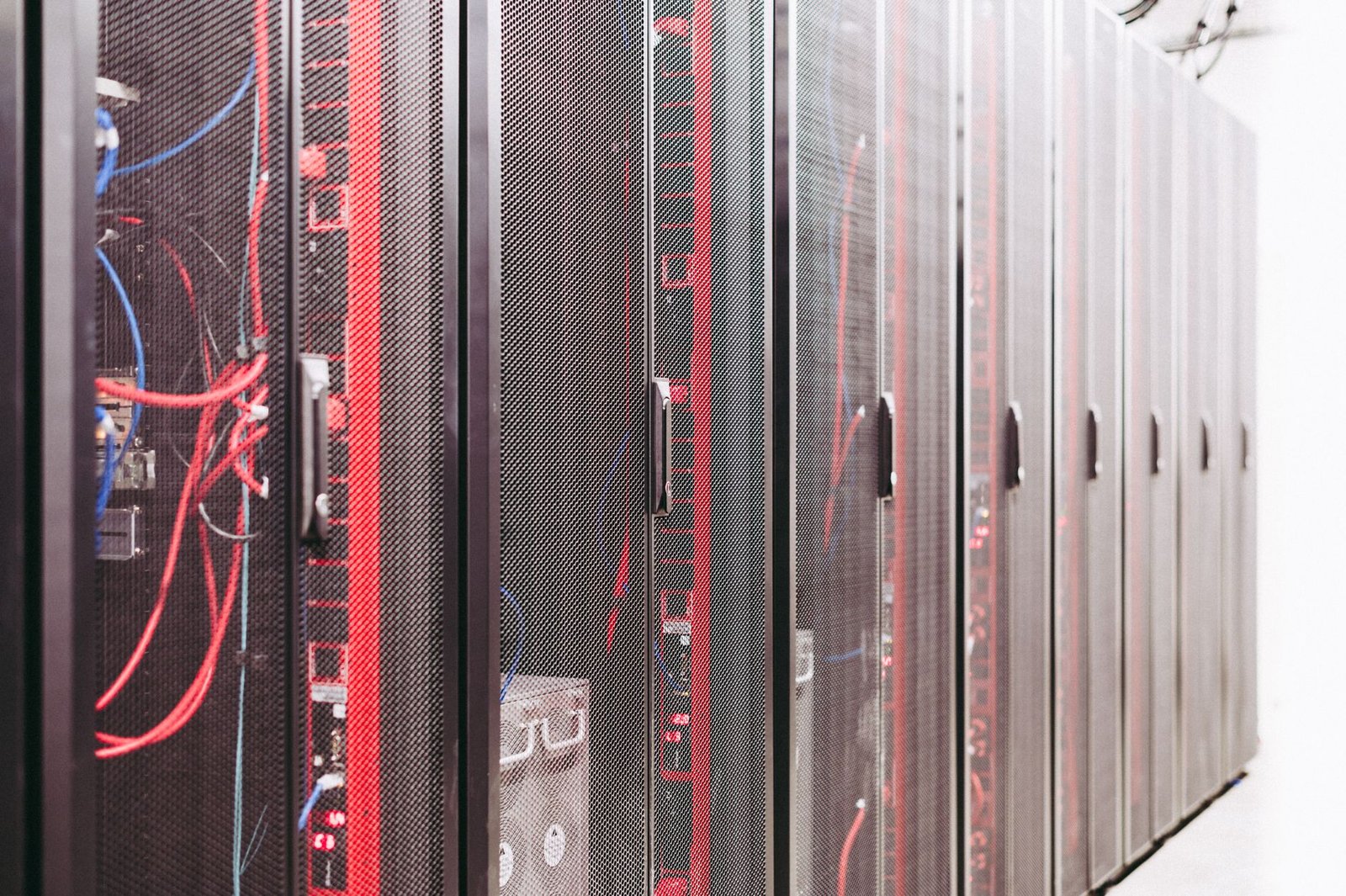
Imagine a future where data centers are not massive, immovable edifices but compact, portable solutions that can be deployed anywhere. This transformation might seem like science fiction, but it could soon be a reality thanks to advancements in modular data center technology.

- Runware introduces the Sonic Inference Pod, a portable data center solution.
- Modular data centers promise flexibility and faster deployment.
- AI demands are transforming infrastructure needs globally.
- Portable solutions could redefine data center economics and scalability.
- Future prospects include enhanced accessibility for remote areas.
The Need for Flexibility in Data Infrastructure
The digital world is expanding at an unprecedented rate, driven primarily by artificial intelligence and the need for immediate data processing. Traditional data centers are struggling to keep up due to their geographical limitations and exorbitant construction times. Enter **Runware** with the **Sonic Inference Pod**, a visionary move towards making data centers as flexible as our mobile world demands.
What is a Modular Data Center?
Essentially, a modular data center is a portable and self-contained data processing unit, akin to a plug-and-play solution. It can be transported to virtually any location, enabling an almost instant setup. These units often resemble standard shipping containers but are packed with advanced computing capabilities. They are designed to handle specific workloads, such as AI inference tasks, rapidly recalibrating themselves to meet unique demands.
Why Portability Matters
The idea is similar to a freelancer using a laptop to work from any cafe with Wi-Fi. Just as the laptop provides the necessary computing power on the go, modular data centers provide immediate computational support wherever it’s required. Such flexibility will become increasingly valuable as AI workloads continue to grow, necessitating immediate access to computational resources when and where they are needed.
Advantages of Modular Solutions
One of the primary benefits of modular data centers is their **scalability**. Organizations can add or move pods as required, mimicking the elasticity we see in cloud services but with on-premise control. This is particularly advantageous for companies facing fluctuating demands, as they can scale operations without the traditional delays associated with building new facilities.
Economic and Environmental Benefits
Modular pods can potentially reduce **operational costs**. They demand less initial investment compared to conventional data centers and promise quicker returns. Moreover, by utilizing local power sources and optimized cooling systems, they can also reduce the **carbon footprint**. These factors make them an environmentally friendly option in today’s climate-conscious world.
A Real-World Example
Imagine a film production company shooting on a remote island. Traditionally, the logistics of transferring raw footage for processing would be cumbersome and costly. However, deploying a modular data center on-site would allow for instantaneous data analysis and backup, drastically improving turnaround time and coordination efforts.
The Impact on the Future of AI
Given the rapid evolution and surging demands of AI, the capacity to have a flexible, scalable, and eco-friendly data infrastructure is revolutionary. It means that data processing can be **decentralized**, bringing resources directly where innovation is happening, whether that’s a congested urban center or a remote rural landscape in need of improved connectivity.
As the world embraces AI-driven solutions, the need for agile and responsive infrastructure becomes apparent. **Runware’s Sonic Inference Pod** is not merely a reaction to this need but a pivotal step forward. It’s a glimpse into a futuristic landscape where data centers match the mobility and agility of the digital age, potentially democratizing AI by making computational power accessible to all corners of the globe.
