

Imagine diving into a whirlwind film where the protagonists are a trio of endearing yet clumsy Englishmen dreaming of rocketing to stardom from the confines of a dingy London pub. Their vivid dreams of extravagant fame morph into flashy sequences reminiscent of the energetic style of filmmakers like Edgar Wright or Guy Ritchie. The intriguing part? What if this cinematic experience was largely crafted by artificial intelligence?
- AI technologies can assist in the creation of multimedia, yet often require human input for quality storytelling.
- Current AI in film mainly excels at generating short sequences or enhancing specific visuals.
- The human touch remains indispensable, particularly in developing relatable characters and cohesive narratives.
- Collaboration between AI and filmmakers can lead to new, innovative forms of storytelling.
- The future of AI in cinema could revolutionize content creation, making high-quality production accessible to everyone.
The Role of AI in Film Production
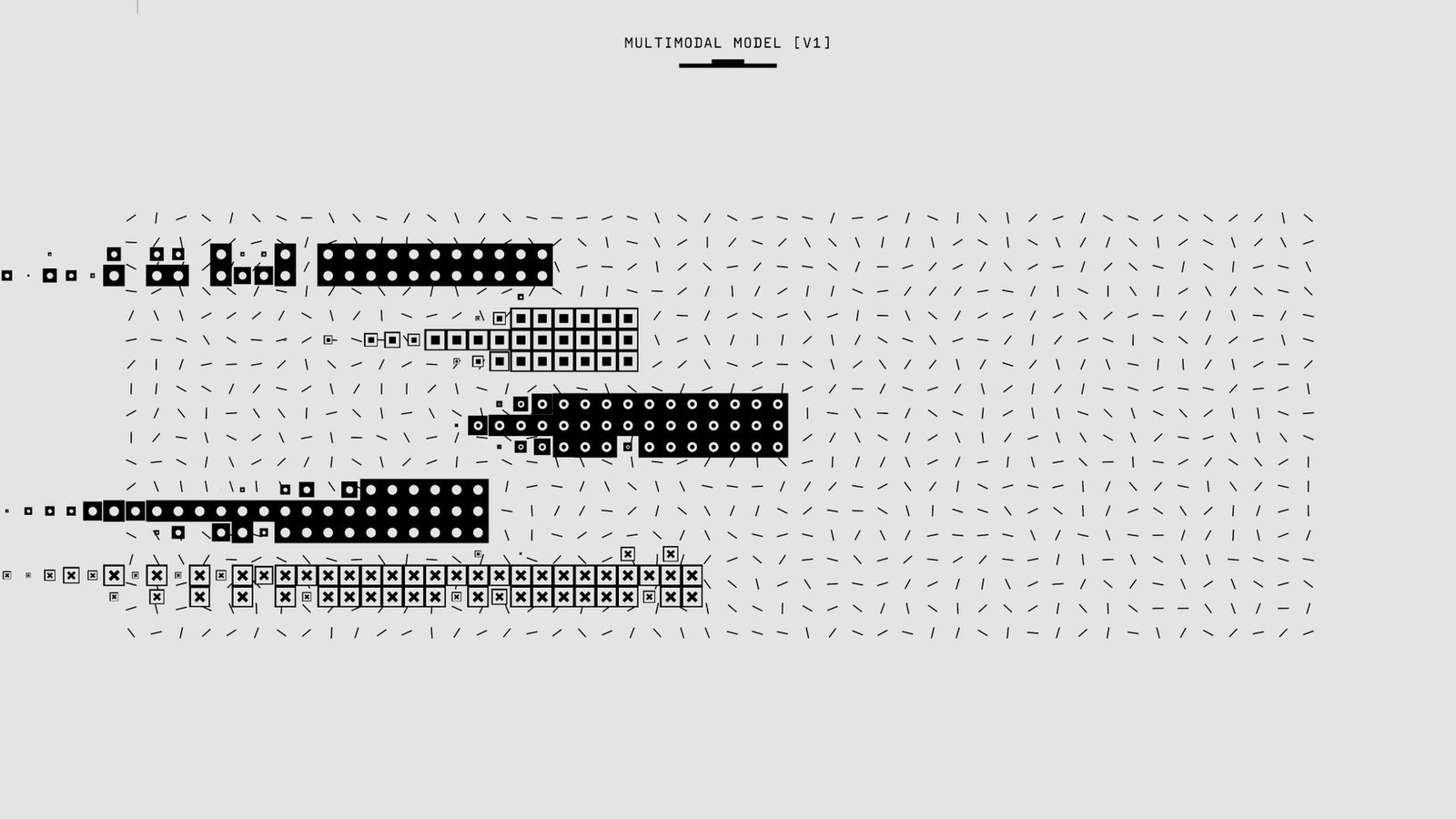
Artificial Intelligence is transforming many industries, and the world of film is no exception. Thanks to **machine learning algorithms** (complex systems that allow computers to learn from data), AI can generate visuals, music, and even scripts. However, while AI can simulate and process a lot of information rapidly, the true art of storytelling—evoking human emotions and connections—remains a significant challenge for these algorithms.
What AI Does Well
AI can create eye-catching **visual effects** and handle massive data loads to generate detailed backgrounds or predict how characters occupy space in scenes. For instance, a drone flying over a mock cityscape can be stunningly rendered using AI, simulating real-world physics and aesthetics with astonishing accuracy. However, while these effects are dazzling, they often lack the **emotional depth** that only experienced filmmakers can instill into a movie.
The Essential Human Touch
Human involvement in filmmaking extends beyond mere technical direction. People bring **empathy** to characters, crafting multi-dimensional personalities that resonate with viewers. For instance, consider the poignant moments in “Finding Nemo,” where the personal journey of a father and son resonates universally. This connection is something AI is yet to master.
Real-World Analogies: Combining Efforts
The relationship between AI and human creativity can be compared to a skilled chef using a sophisticated food processor. While the machine can chop, blend, and process ingredients with ease, it is the chef who imparts skill, timing, and instinct to create the perfect dish. Similarly, AI can provide the tools and the muscle, but intuition and experience still rule when concocting a compelling film.
The Future Convergence of AI and Cinema
So what does this balance of AI and human artistry mean for the future of film? The integration of AI in creative processes is likely to grow exponentially, promising to make high-quality storytelling more accessible than ever. Imagine being able to harness AI tools to customize autonomous short films based on personal preferences or gaming experiences; such advancements could democratize the art of filmmaking. However, the key will lie in the **collaboration** between AI systems and human creators, fostering stories that are not just visually remarkable but also enriching on an emotional level.
In conclusion, as AI continues to evolve, the cinema industry stands at an exciting juncture. By synergizing the computational power of AI with the irreplaceable nuance of human creativity, the next generation of filmmakers could shape stories in ways previously deemed impossible. This partnership between man and machine hints at a groundbreaking era where every dream imaginable can be brought vividly to life on screen.
