



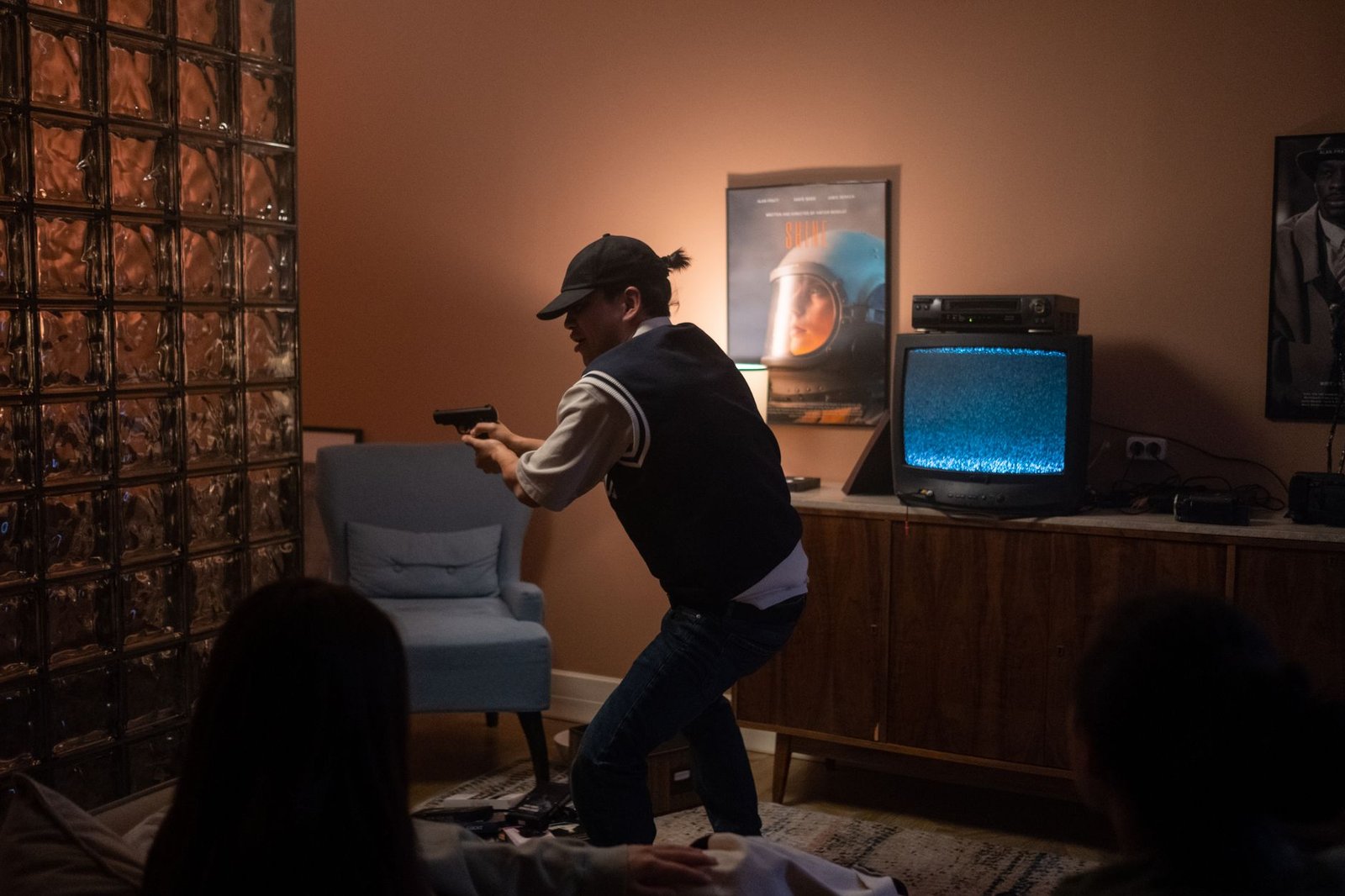
Imagine a film that captures the essence of slasher nostalgia while adding layers of satire and wit. That’s precisely what Jane Schoenbrun achieves with Teenage Sex and Death at Camp Miasma. With a clever twist on the classic horror genre, this movie is both a celebration and a playful critique, resonating with both die-hard fans and novice viewers alike.
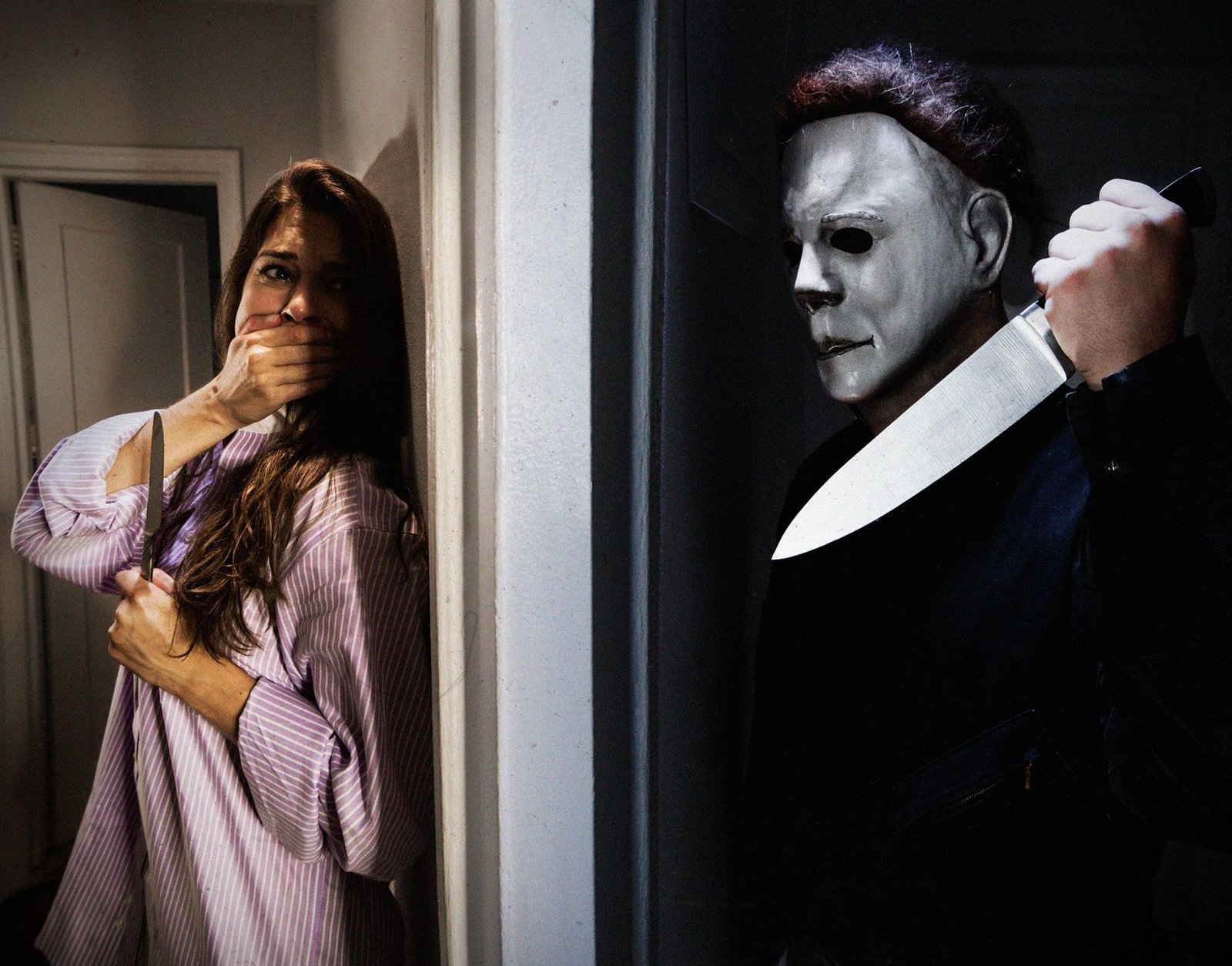
Key Takeaways
- A hybrid of horror homage and satire, offering a fresh take on classic slasher films.
- Skilled direction and storytelling that plays with audience expectations.
- Engaging performances that bring humor and depth to a surreal narrative.
- Explores themes of nostalgia and modern sensibilities in film making.
- Blends horror elements with a unique narrative style for broader appeal.
A New Twist on Old Scares
Teenage Sex and Death at Camp Miasma doesn’t just revisit the slasher genre; it reinvents it. Schoenbrun’s film is a vivid tapestry woven from threads of tension, nostalgia, and unexpected humor. The opening scene, meticulously crafted with insights from horror fans, mirrors the meticulous attention to detail akin to a David Fincher movie, capturing the quirky nuances that slasher enthusiasts adore.
The Plot Unfurled
At its core, the film follows Kris, played by Hannah Einbinder, a queer director tasked with modernizing a controversial cult classic. This character embarks on an imaginative journey that blurs reality, driven by her attempt to revitalize the once-popular Camp Miasma series akin to Friday the 13th. Her journey leads her to the elusive final girl, Billy Preston, whose portrayal by Gillian Anderson adds an intriguing layer of irony.
Interplay of Humor and Horror
Schoenbrun masterfully balances horror with levity, ensuring the movie never takes itself too seriously. Just when the audience might start feeling overwhelmed by the genre’s geeky indulgences, the narrative injects humor, keeping viewers engaged and entertained. This delicate balancing act is what makes the film a standout project, appealing to a broad range of audiences.
Thematic Depth: Beyond Blood and Gore
While Teenage Sex and Death at Camp Miasma revels in the aesthetic of horror films, it delves deeper into contemporary themes. Kris’s journey isn’t just one of terror but an exploration of identity and the clash between old-world horror and new-age storytelling. This narrative depth is what sets the film apart, offering a commentary on the evolution of cinematic narratives.
Real-World Parallels
Consider how film reboots often reflect the changing tides of societal norms—much like updating a vintage car with modern tech. It’s about preserving the nostalgia while adapting to contemporary needs. Schoenbrun’s film achieves this balance, providing a narrative that both fans of the genre and newcomers can appreciate.
Looking Ahead
This cinematic endeavor exemplifies the potential future of storytelling in film: a blend of homage and innovation. As directors continue to reinvent genres, viewers can expect narratives that explore deeper themes while still engaging as pure entertainment. For the AI world, this is a reminder to continually adapt and learn. Just as Kris battles with the ghosts of Camp Miasma, AI innovators must navigate the complexities of technology with creativity and foresight.
