



Picture a world where your smartphone seamlessly communicates with autonomous vehicles and healthcare systems in real-time. Verizon is taking a monumental step towards this future, with a transformative initiative aimed at reshaping the landscape of **AI infrastructure**. By enlisting Google in a massive **$1 billion dark fiber deal**, Verizon sets the stage for a new era of connectivity.
Key Takeaways
- Verizon’s $1 billion deal with Google leverages dark fiber to enhance data center connectivity.
- This initiative is part of Verizon’s “AI Connect” business strategy to revolutionize AI infrastructure.
- Verizon plans to upgrade its facilities to support **AI inference workloads**.
- Potential applications include autonomous vehicles, robotics, and remote surgeries.
- Further deals are anticipated, projected to generate billions more in revenue.
Exploring the World of Dark Fiber
To grasp the implications of this development, let’s explore what **dark fiber** means. Simply put, dark fiber refers to unused, sometimes privately owned, optical fiber cables. Companies like Verizon can lease or buy these cables for high-speed data transmission. This is akin to having an interstate highway built, but without any cars yet driving on it. In Verizon’s case, this highway will transport enormous amounts of information with remarkable speed and efficiency between data centers.
AI Connect: Transforming AI Infrastructure
Verizon’s “AI Connect” initiative aims to create an **integrated AI infrastructure** that mirrors the explosive demand for computing power. As AI applications become more widespread, they require vast computational resources. The installation of dark fiber provides the backbone for these operations, allowing for rapid and seamless communication between data centers that host AI models.
Revamping Central Offices
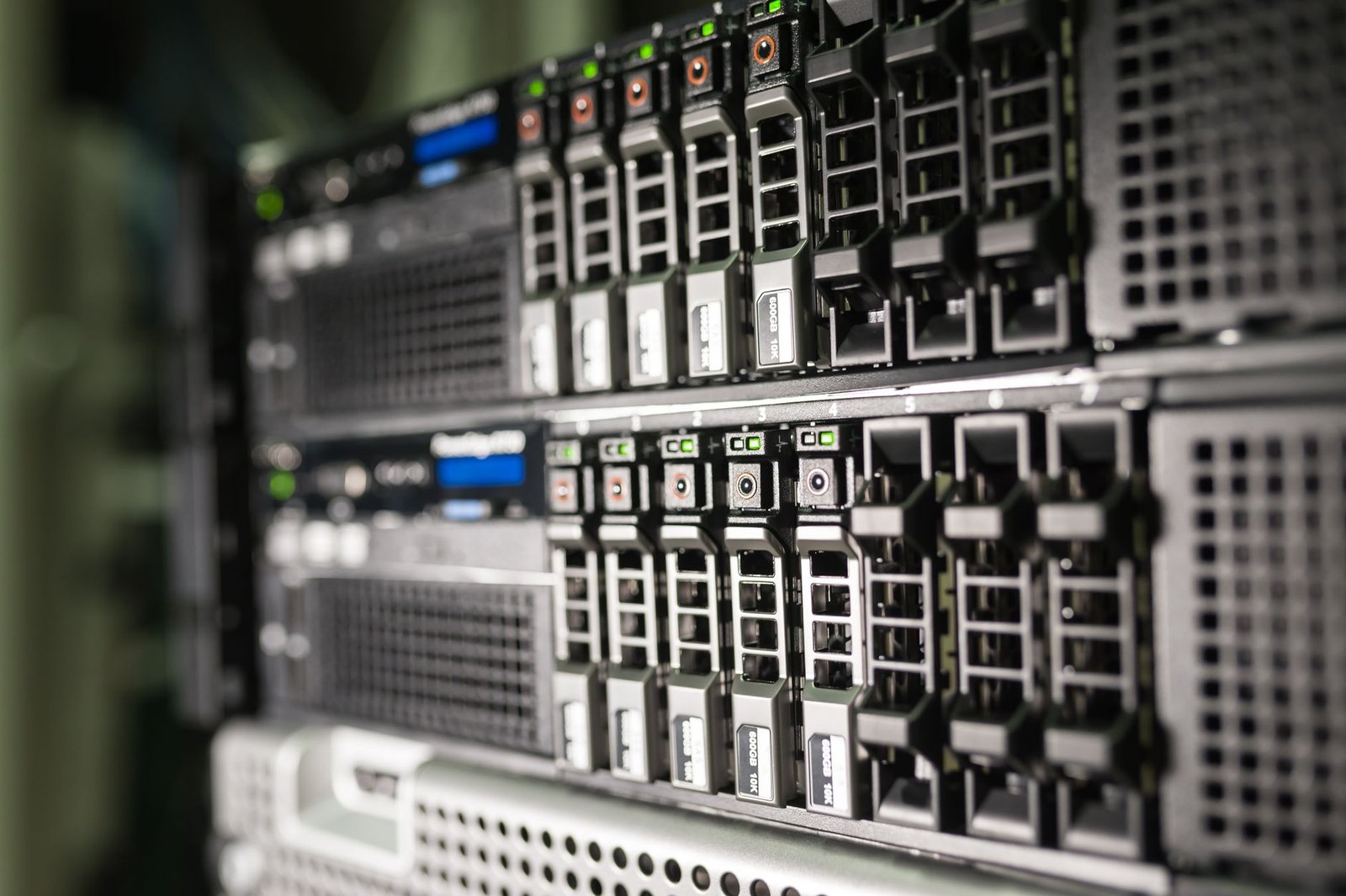
To accommodate such demanding tasks, Verizon is upgrading its central offices by replacing old copper wiring with modern solutions ideal for AI workloads. By converting these sites into smaller, more efficient data centers, Verizon ensures that these locations can sufficiently handle **AI inference workloads**, which are essentially the processing required for AI systems to make predictions or decisions based on data.
The Impact on Real-World Applications
Imagine a factory relying on **robotics** to streamline assembly lines or a hospital employing **remote surgery** capabilities to perform operations from thousands of miles away. These scenarios require **ultra-low latency**, meaning data needs to be transmitted almost instantaneously to avoid delays. Verizon’s enhancements aim to support such cutting-edge technologies by decentralizing processing power to the **edge**—the network’s outer reaches—thus bringing compute resources closer to where the action occurs.
Anticipating Further AI Collaborations
During Verizon’s earnings conference call, CEO Dan Schulman expressed an optimistic outlook, suggesting that this deal is just the beginning. The company anticipates revealing further partnerships that could bring in multi-billion-dollar revenues in the coming years. These endeavors will only further cement AI’s role in driving next-gen connectivity and innovation.
The Future of AI and Connectivity
Verizon’s bold move exemplifies a crucial shift towards a future where powerful **AI technologies** are more accessible than ever. By investing in robust infrastructure, they pave the way for innovations that will shape industries ranging from autonomous vehicles to advanced healthcare. As we edge closer to an interconnected digital ecosystem, such initiatives underline the importance of connectivity as the backbone of technological advancement.
