



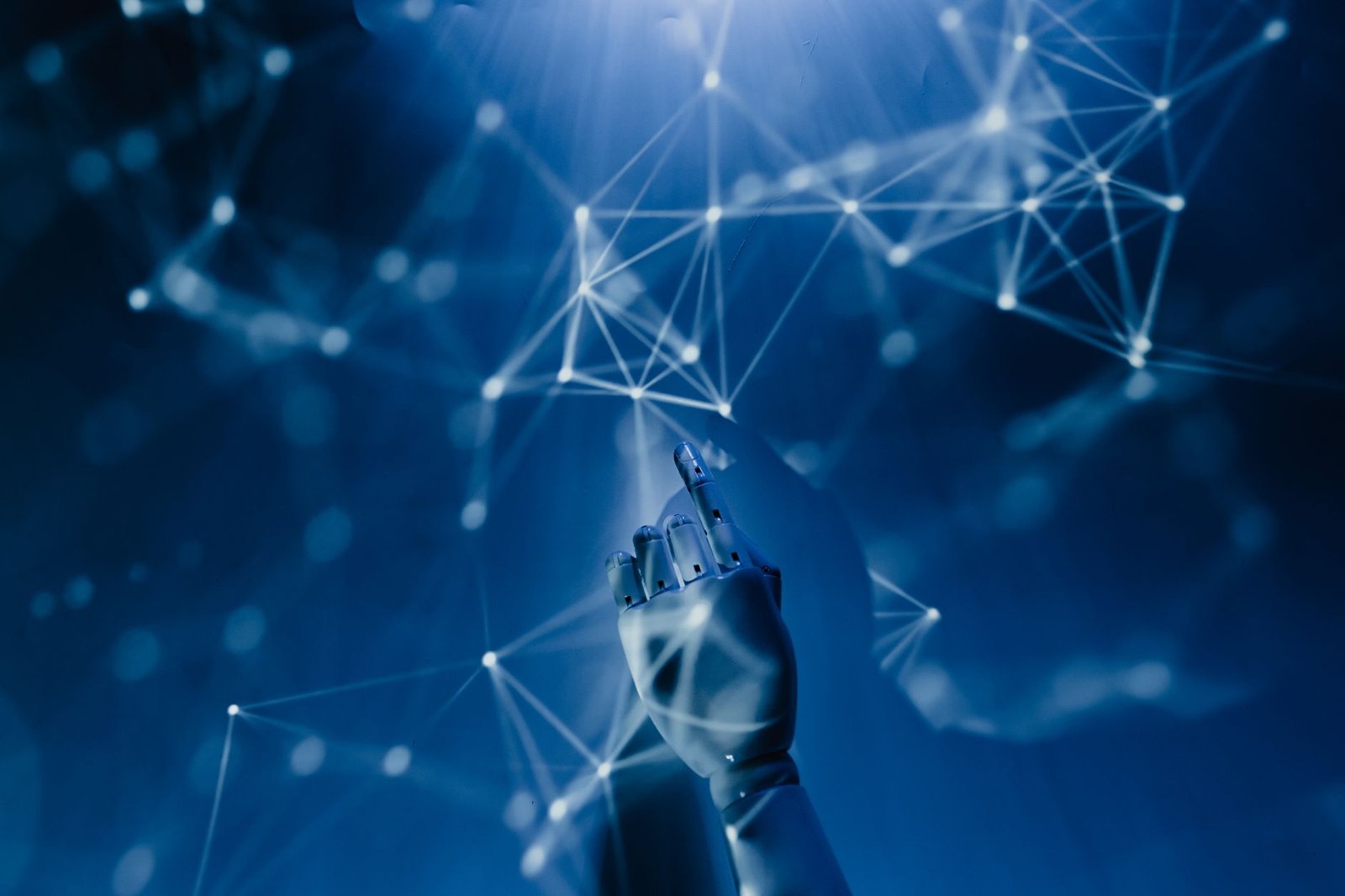
Imagine teaching a robot a new task by just demonstrating it once. Welcome to the intriguing world of one-shot imitation learning, where machines are now able to mirror human actions after a single demonstration, revolutionizing the potential of AI.
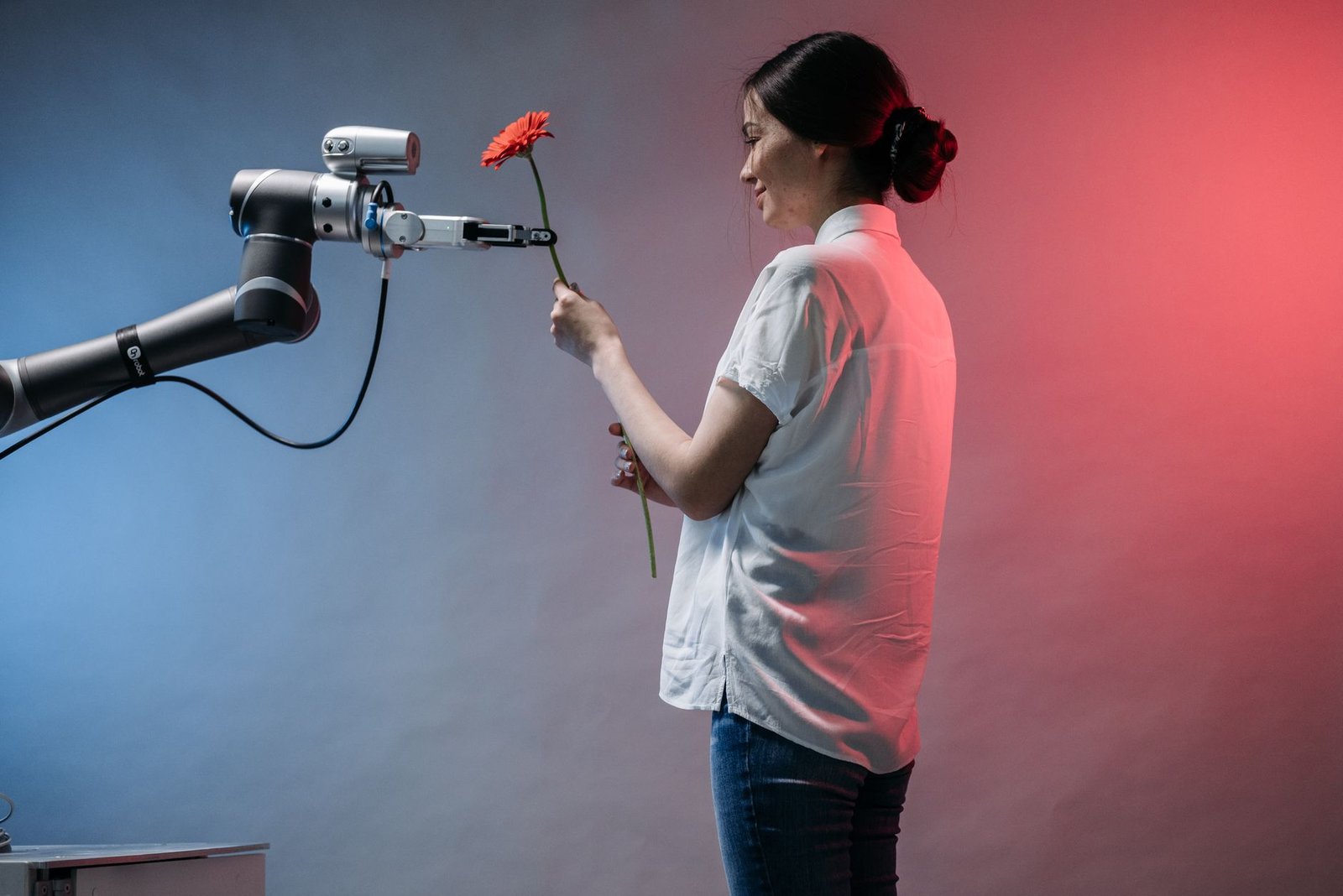
- One-shot imitation learning allows AI to learn tasks from a single example.
- This approach reduces the time and data required for machine learning training.
- Improvements in this area could significantly enhance automation in industries.
- Combining this method with other AI technologies enhances their overall capabilities.
- Current challenges include developing robust models that work in varied environments.
Understanding One-Shot Imitation Learning
Traditional machine learning methods often require vast amounts of data and time-consuming training processes. However, one-shot imitation learning shakes up this paradigm, enabling a model to grasp a task from just one presentation. It emulates a human’s ability to learn rapidly and adapt to new situations, stripping away the need for extensive repetitive examples.
How Does It Work?
The underlying principle is straightforward yet powerful. An AI model watches a human perform an activity, and from that single demonstration, it discerns the key actions and objectives to reproduce the task independently. This process employs a combination of observation, imitation, and sometimes a touch of improvisation where gaps in understanding need to be filled.
Breaking Down the Key Components
At its core, one-shot imitation learning hinges on three critical elements: perception, policy learning, and execution. Let’s explore these terms simply:
Perception
This is the ability of the AI to understand what it sees. It involves capturing visual or sensory data of the task being performed. Advanced AI uses technologies like computer vision to recognize and track the movements and key elements involved in the task.
Policy Learning
Once the AI perceives and processes the data, it creates a policy—essentially a set of rules or strategies translated from the observed behavior. This policy acts as the guidelines for executing the task successfully.
Execution
Finally, the AI implements the learned policy in real-world scenarios, aiming to replicate the task it observed from the human example. Success in execution sometimes requires adjustments if the environment deviates from the original demonstration.
A Real-World Example
Imagine training a warehouse robot. A human worker demonstrates stacking boxes in a very specific order once. Through one-shot imitation learning, the robot observes the action, formulates a policy, and then starts stacking boxes similarly. It’s not just mimicking but comprehending the logic behind each placement and adapting if needed.
Challenges and Opportunities
While promising, one-shot imitation learning is not without its challenges. Developing robust models that can accommodate different environments and complexities of tasks remains a hurdle. There are also concerns about how well these systems can generalize learning across a variety of tasks without each being explicitly demonstrated.
Looking Ahead: The Future of AI
The practice of one-shot imitation learning is setting new benchmarks in AI innovation and capability. As research in this area advances, we can anticipate breakthroughs that further cut down training time and data needs, paving the way for smarter, more versatile AI systems. The prospect of machines that can seamlessly adapt to new tasks aligns with future visions of enhanced automation, transforming industries like manufacturing, logistics, and healthcare. The journey towards truly intelligent machines is just beginning, with one-shot imitation learning at the forefront of this exciting frontier.
