


Imagine your home not just as a place of comfort but also as a mini powerhouse contributing to the world of artificial intelligence. What if the sun lighting up your living room could also serve the computational needs of AI giants? This vision is becoming reality, thanks to Sunrun’s latest pilot program.
Key Takeaways
- Sunrun, a solar energy provider, is experimenting with using home-based computing units as part of AI infrastructure.
- Participating homeowners can earn compensation for hosting these compute nodes.
- The initiative aims to sell computing power to AI companies and other enterprises.
- This distributed approach could alleviate space and resource constraints of traditional data centers.
- The concept represents a significant shift in how AI computational needs might be met in the future.
The Shift to Distributed AI Compute Nodes
Sunrun, known for its solar power and energy storage solutions, is dabbling in a novel way to manage **AI compute resources**. Instead of building massive, centralized data centers, the company is exploring the idea of distributed computing. This refers to using multiple smaller computing units scattered in different locations—in this case, customers’ homes.
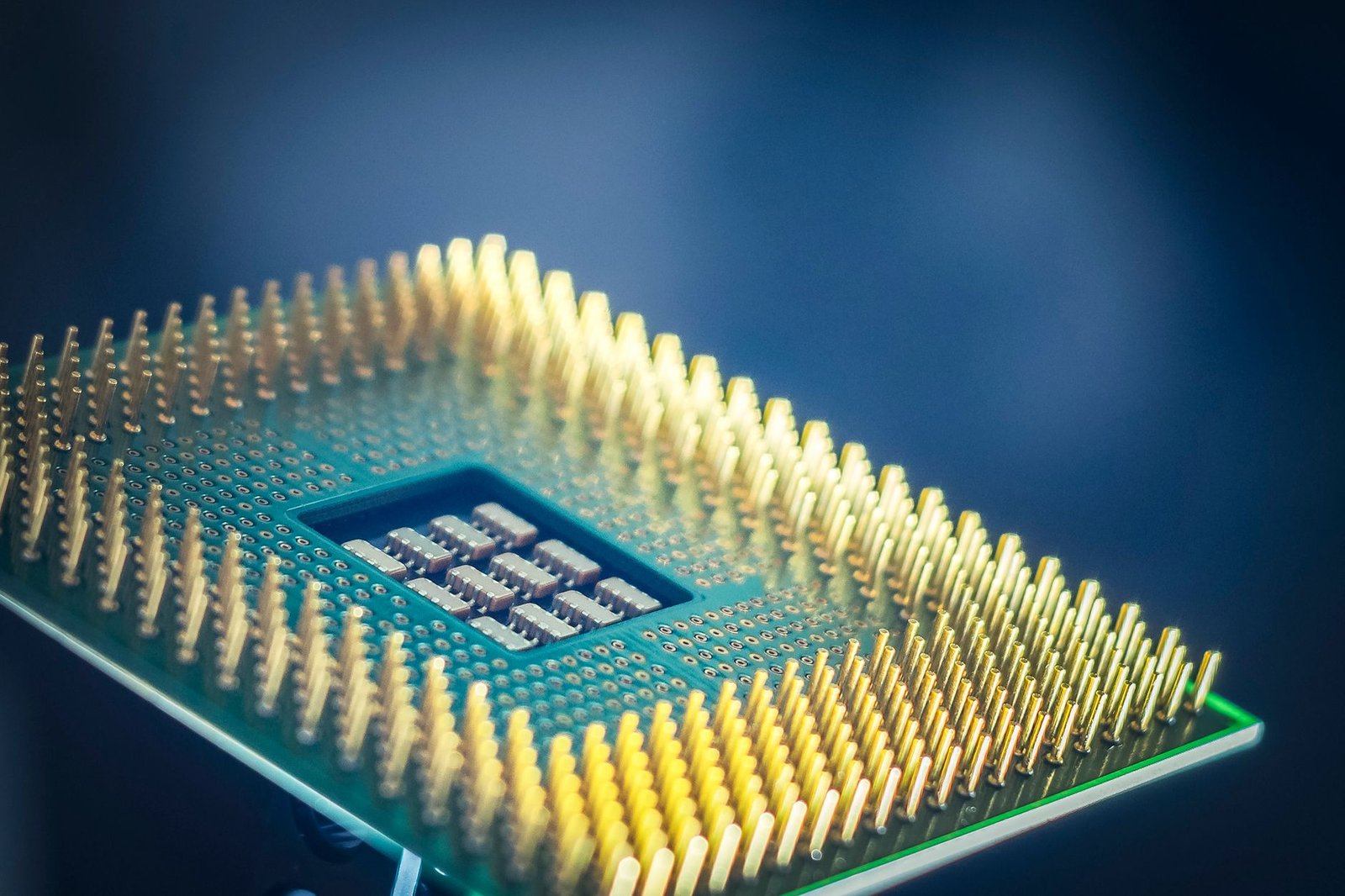
By placing **compute nodes**—essentially the brains of computing tasks—in homes equipped with solar panels and batteries, Sunrun aims to create a decentralized network. This not only reduces the need for large, costly infrastructure but also leverages existing home energy solutions. Homeowners participating in this pilot program will be compensated, providing an incentive to become part of this cutting-edge technology experiment.
Bringing AI Closer to Home
This model challenges the traditional idea of **data centers** as large facilities consuming vast amounts of electricity. Instead, it harnesses renewable energy from solar panels, stored in home battery systems. It’s like offering your home’s spare room as a hotel but for digital tasks.
Consider a familiar analogy: cloud storage services like Google Drive allow you to store photos and files not on your physical device but in an accessible, virtual space. Similarly, Sunrun’s initiative enables AI processes to run from a distributed network of home-based compute nodes rather than a centralized hub.
Benefits of a Distributed Approach
The **distributed AI compute** model offers several advantages:
- **Efficiency**: Utilizing homes already equipped with solar can reduce energy waste.
- **Scalability**: New nodes can be added more easily than expanding traditional data centers.
- **Sustainability**: Leveraging renewable energy reduces the carbon footprint associated with AI computation.
A Glimpse Into the Future
The possibilities of decentralized AI computation are as vast as they are promising. If successful, Sunrun’s model could reshape how we view the physical space needed for AI development. By tapping into residential areas for computing power, we’re looking at a future where **AI infrastructure** is more sustainable and accessible.
As AI’s demands grow, creative solutions like Sunrun’s could pave the way for a more integrated and environmentally friendly approach to technology. This innovative pilot program is setting the stage for a world where our homes might participate actively in the digital economy. And in doing so, it’s not just the future of data centers that could change, but our own relationships with AI itself.
