



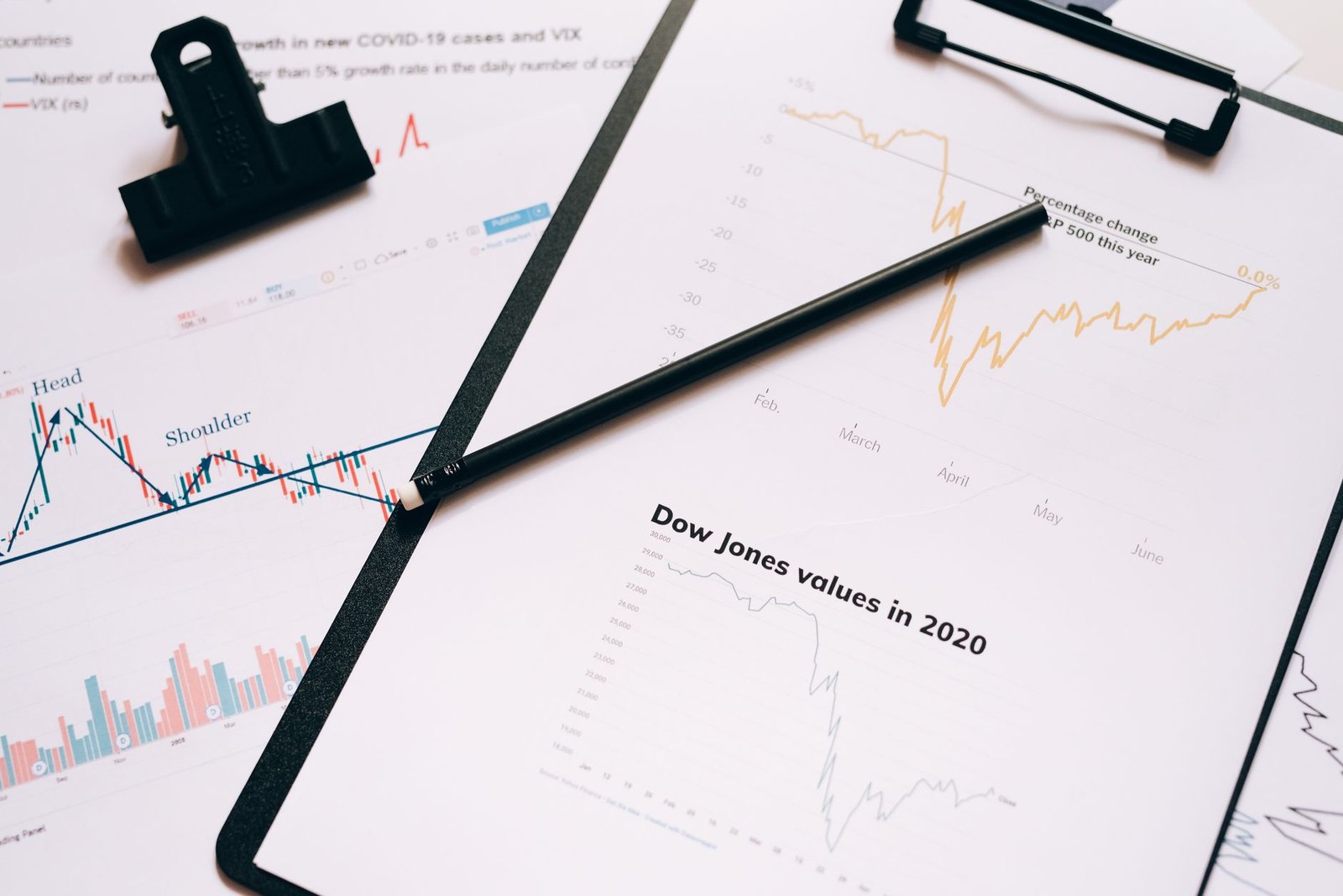
The dawn of AI-driven financial analysis is upon us, and it’s reshaping how industries evaluate data and make decisions. Imagine a world where complex financial insights are instantly available at your fingertips—this is no longer science fiction but a budding reality thanks to new AI models.

- AI models are transforming how financial analysis is conducted.
- The role of OpenAI’s reasoning models is pivotal.
- Understanding complex AI technologies can be simplified.
- Practical applications extend beyond finance.
- Looking ahead, AI’s potential in finance is vast and promising.
The Future of Financial Analysis with AI
Endex, a pioneering tech firm, is at the forefront of this transformation, harnessing the power of AI to redefine financial analysis. By leveraging **OpenAI’s advanced reasoning models** known as o1 and o3-mini, Endex is building an **autonomous financial analyst**. But what does this mean for the finance industry?
What are o1 and o3-mini?
The o1 and o3-mini models are part of a suite of AI tools developed to understand and process large datasets efficiently. In layman’s terms, think of these models as super-computers with the ability to sift through mountains of financial data and extract meaningful insights—much like having an analytical genius on your team.
The models employ **natural language processing (NLP)**, which allows them to understand human language both in written and spoken forms. This means they can not only decipher complex financial documents but also interact with users in a conversational manner.
How AI is Revolutionizing Financial Analysis
Traditionally, financial analysis has been a labor-intensive process requiring numerous hours of manual calculations and in-depth evaluations by analysts. With AI, these processes are drastically shortened. AI tools can identify patterns and predict future trends more quickly and accurately, offering real-time insights that would otherwise take weeks to compile.
Consider AI as a digital sage that transforms raw data into actionable intelligence faster than ever before. It’s akin to having Sherlock Holmes analyze your financial statements, spotting the tiniest details that might go unnoticed.
Real-World Applications and Analogy
Picture a master chocolatier creating a new line of chocolates. This chocolatier has a wealth of ingredients, spices, and flavors at their disposal. Yet, they must meticulously experiment to discover the perfect combination. In a similar fashion, AI models sift through extensive datasets—like stocks, market trends, and economic indicators—to concoct the perfect analysis, reducing uncertainty and boosting decision-making quality in financial planning.
Practical Implications of AI-Powered Analysis
Endex’s AI tools are not confined to financial realms alone. Their ability to process and analyze swathes of information quickly means they’re an asset to **industries like healthcare, logistics,** and even **climate science.** Organizations can use these models to optimize resources effectively, predict potential market disruptions, and tailor bespoke strategies for growth.
The Road Ahead for AI in Finance
What does the future hold with this new wave of AI developments? As AI models become increasingly sophisticated, they are expected to unlock opportunities previously deemed impossible. The burgeoning interplay between **AI and finance** will likely cultivate an era where data-driven decisions are the norm, and businesses can anticipate trends more accurately and faster than ever before.
In conclusion, while we’re only scratching the surface of AI’s potential in financial analysis, innovators like Endex are paving the way for a future ripe with efficiency, precision, and informed decision-making. As technology evolves, so too will our ability to harness these tools, driving profound changes across vast sectors.
