




The vast, red landscapes of Mars have always captured the human imagination. As we edge closer to unraveling the mysteries of our neighboring planet, NASA is embarking on an innovative journey by pivoting from traditional landers and rovers to using **aerial drones**, specifically helicopters, for exploration. This marks a new era in interplanetary discovery that promises both excitement and profound insights.
Key Takeaways
- NASA is shifting focus from Mars landers and rovers to helicopter drones.
- The **SkyFall mission** will introduce a fleet of three helicopters.
- This mission is paired with the **Space Reactor-1 “Freedom” mission**, showcasing nuclear electric propulsion.
- These helicopters build on the success of the **Ingenuity** helicopter.
- The approach offers advanced aerial capabilities over Mars’ challenging terrain.
Redirecting Focus: Why Helicopters?
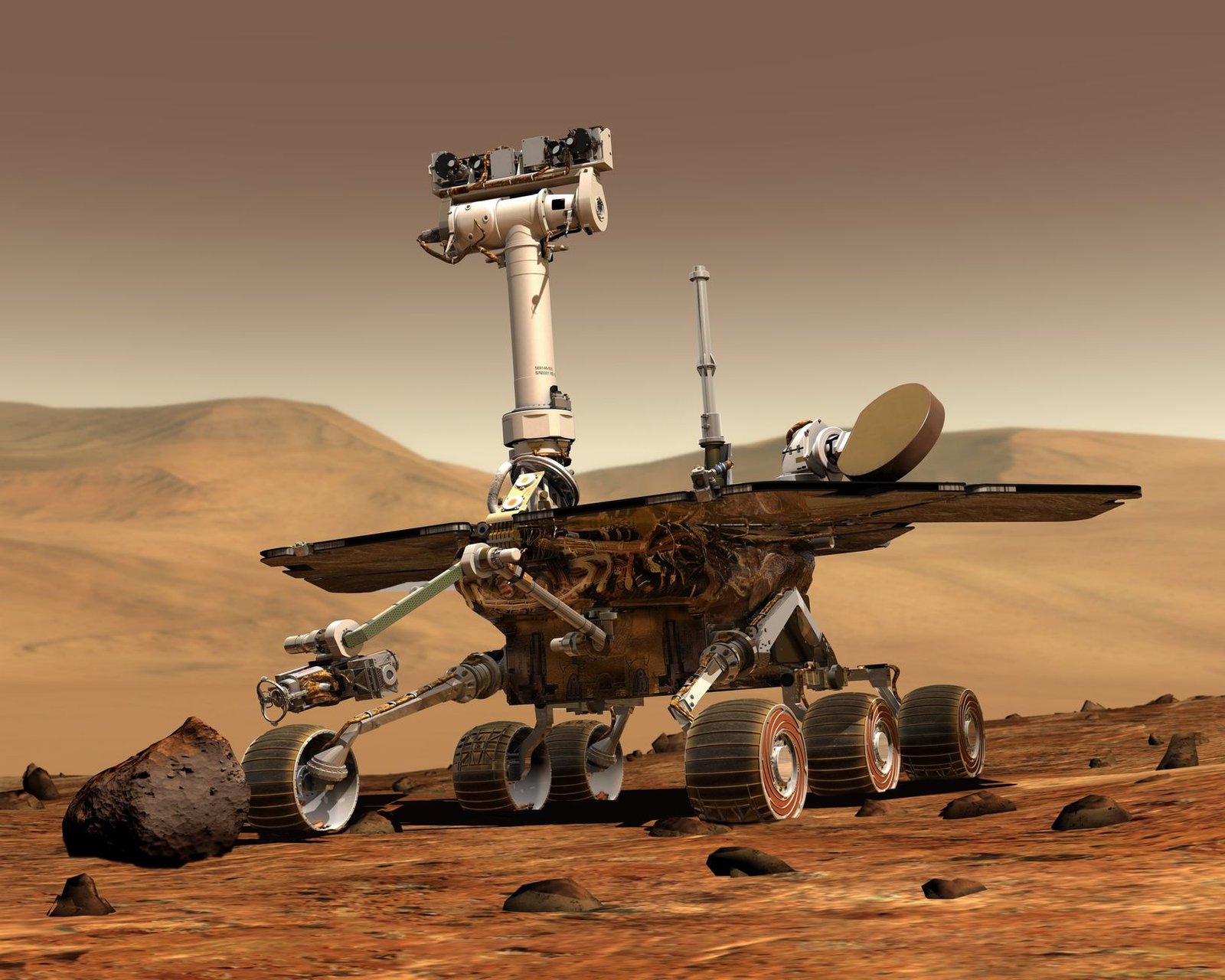
As NASA reevaluates its strategies for extraterrestrial exploration, a significant shift is underway. For the first time in over thirty years, NASA is stepping away from developing new landers and rovers specifically for Mars. Instead, they are focusing on **rotorcraft technology**, which has only recently become feasible for Mars’ unique conditions. This shift represents a dynamic adaptation to the evolving potential of technology in space exploration.
The Innovation of SkyFall
The **SkyFall mission** is set to debut as NASA’s first substantial implementation of drone technology on Mars, slated for launch as soon as late 2028. This mission comprises a trio of helicopters designed to navigate the Martian atmosphere in ways previously impossible for traditional vehicles. By integrating helicopter drones, NASA anticipates improved assessments of Mars’ diverse terrain.
The Role of Nuclear Electric Propulsion
A Bold Pairing: SkyFall and SR-1 Freedom
Alongside the SkyFall mission, NASA introduces the **Space Reactor-1 “Freedom” mission**. This ventures beyond what we’ve attempted before by utilizing **nuclear electric propulsion**. Imagine a spacecraft akin to a hybrid car, using electricity produced from a small nuclear reactor to propel itself across the vastness of space. This method promises greater efficiency for deep-space travel.
The SR-1 Freedom mission aims to repurpose and innovate by transforming components from the canceled Gateway lunar space station—originally intended for lunar exploration—into a testbed for this groundbreaking propulsion technology. At an estimated cost of $2.1 billion, the project’s swift development underscores NASA’s commitment to leveraging innovative technologies for expansive space missions.
From Ingenuity to SkyFall: Evolving Technology
NASA’s confidence in rotorcraft technology stems from the success of the **Ingenuity helicopter**, which marked history as the first rotorcraft to take flight on another planet in 2021. Think of Ingenuity as a pioneering prototype—its achievements have paved the way for more sophisticated designs. These helicopters offer unique advantages, like traversing difficult terrains and gathering data from perspectives unreachable by traditional landers.
Analogy: Aerial Exploration on Mars
Consider this: navigating Mars with helicopters is much like observing a dense forest from above rather than wading through it. Just like how a drone on Earth provides a comprehensive overview that walking through wouldn’t, helicopter drones on Mars can capture panoramas of the intricate Martian surface, providing groundbreaking data.
Looking Ahead: The Future of AI in Space Exploration
As we move forward, the integration of **artificial intelligence (AI)** in managing and ensuring the successful coordination of these missions will be critical. AI will aid in doing everything from navigating complex terrains autonomously to optimizing energy use for the drones and propulsion systems. This shift towards aerial exploration is not just a technical upgrade but also represents a new frontier for **AI-driven research** and robotic intelligence.
The transition from landers and rovers to aerial drones marks an exciting step in space exploration. It invites new possibilities, and as AI continues to evolve, it will undoubtedly play an integral role in navigating these uncharted territories, offering deeper insights into the mysteries of Mars and beyond.
