




Imagine a world where the union of human creativity and artificial intelligence enhances our software ecosystems. This is no longer an imaginary scenario but a reality for the Debian Linux community, which has recently taken a bold stand on AI contribution.
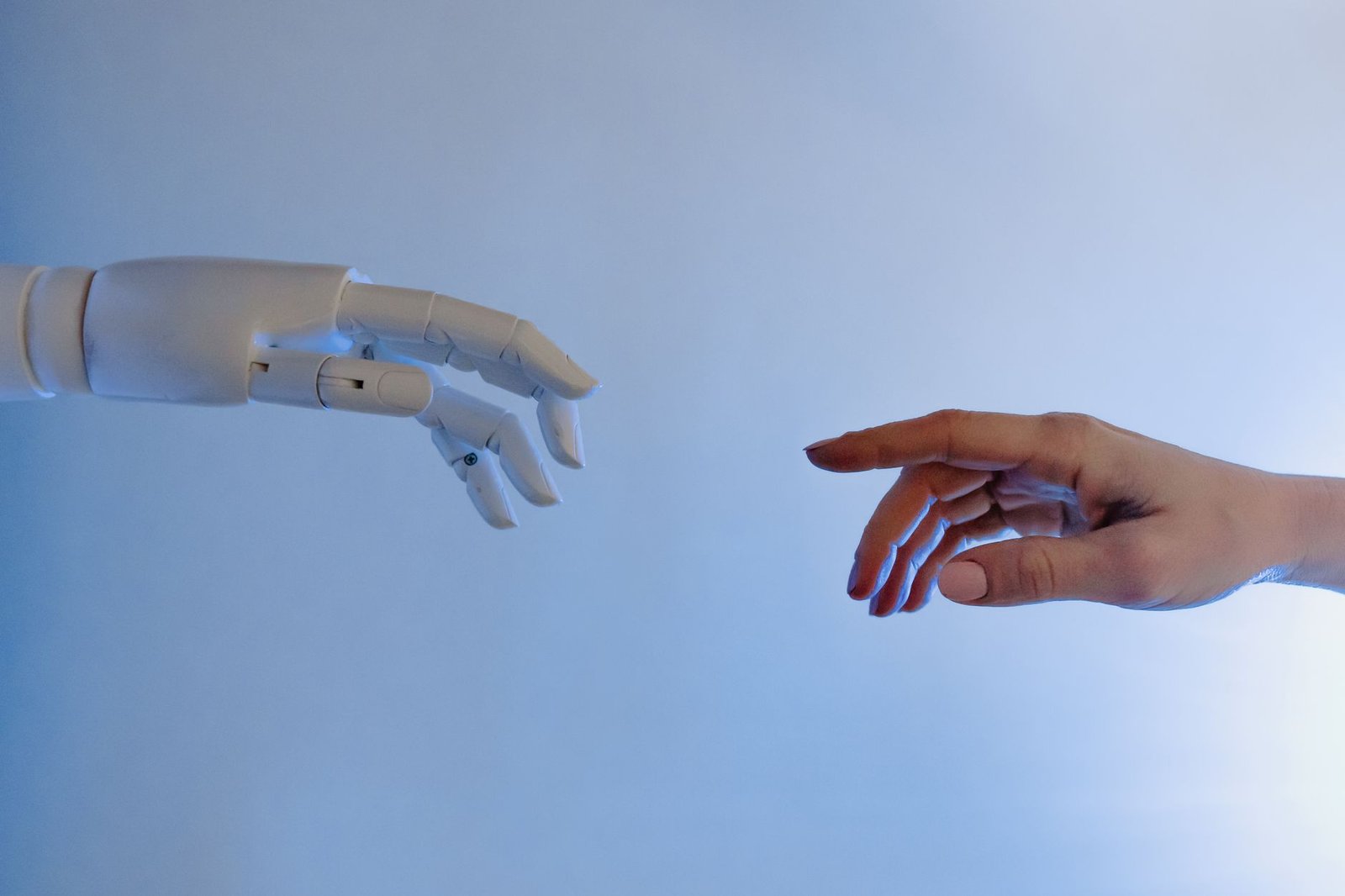
Key Takeaways
- Debian Linux has approved the use of AI tools by developers.
- The policy emphasizes “responsible” AI usage to boost productivity.
- AI-generated content must adhere to Debian’s existing standards.
- Debate among developers highlights differing views on AI adoption.
- This decision could shape future open-source development norms.
Embracing AI in Open Source Development
Debian, one of the longest-running and most influential Linux distributions, has greenlighted the use of **AI tools** in its development process. Initially sparking significant debate among contributors, this decision underscores a pivotal moment in the open-source arena. The newly established policy does not just permit the use of AI tools; it emphasizes the **responsible use of AI** as a means to augment a developer’s productivity.
Responsible AI: Not a Free Pass
In a notable stance, the Debian community clarified that **generative AI**, tools that create content using machine learning (where algorithms improve automatically through experience), is subject to the same rigorous standards expected of human contributors. In essence, AI-generated contributions aren’t given special status nor are they exempt from the rules set for all contributors.
A Community at Crossroads
The decision didn’t come without contention. During the deliberation process, Debian’s voting developers weighed several proposals, some of which suggested an outright ban on AI-assisted contributions. This reflects a broader hesitation within tech communities around AI’s growing influence and raises questions about its role in inherently collaborative environments like open-source projects.
AI: A Tool, Not a Replacement
To those concerned about AI potentially overshadowing human creativity, think of AI like a power tool. Just as a power drill doesn’t replace the carpenter but rather enhances their ability to build, AI serves as an assistant, offering efficiency and new capabilities without diminishing the importance of human insight and oversight.
The Implications for Wider AI Adoption
This decision by Debian could set a precedent for other **open-source projects**’ attitudes toward AI integration. By embracing AI, Debian is acknowledging a shift already visible across various industries where AI enhances capabilities—from art creation to complex data analysis—yet remains under human supervision to maintain context and ethical integrity.
The Broader Horizon
Looking toward the future, this move by Debian not only reflects a progressive stance but also challenges other communities to rethink how they integrate AI. The potential for AI to revolutionize open-source development is vast, but it hinges on finding that sweet spot between technological advancement and human-centric ethical standards.
As more developers and organizations take similar steps, it becomes increasingly crucial to assess **AI’s role** in responsible innovation. Will more open-source projects follow Debian’s lead and embrace AI’s potential, or will they retreat, wary of the implications? Only time will tell, but the possibilities are as exciting as they are numerous.
