


Imagine a world where computers understand natural languages so well that they can write code just as you tell them your ideas. Welcome to the realm of OpenAI Codex, which is transforming how we build applications today.
Key Takeaways:
- OpenAI Codex is infusing intelligence into 70 diverse applications.
- It translates natural language into programming code.
- The technology aims to make coding more accessible to non-programmers.
- Codex is redefining the relationship between humans and computers.
- The future of AI-generated coding solutions looks promising.
Understanding OpenAI Codex
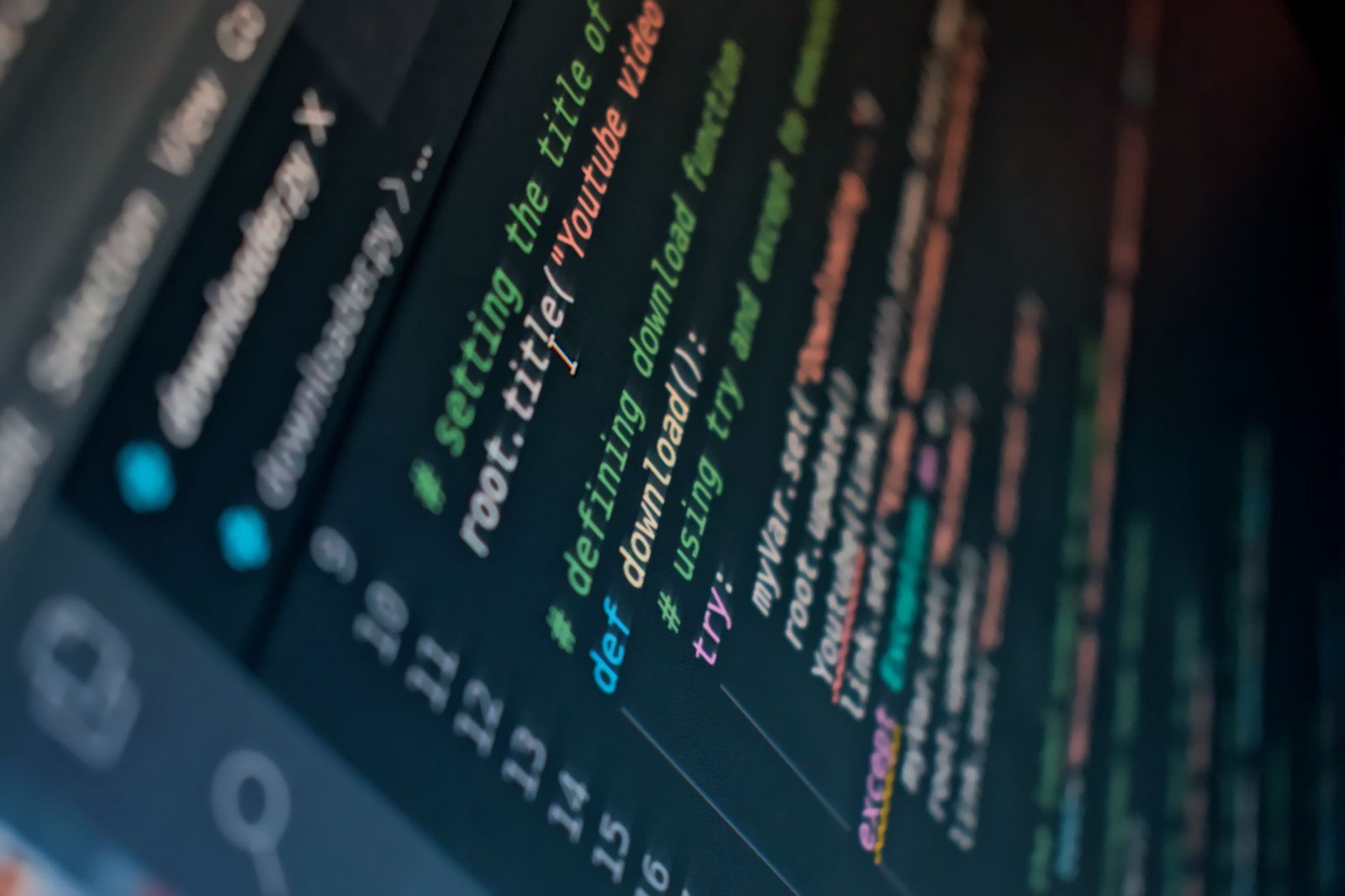
OpenAI Codex is a cutting-edge AI model that acts as a translator between human language and computer code. Leveraging machine learning, specifically natural language processing (NLP), Codex turns lines of everyday language into executable code in real-time. Think of it like a bilingual friend who speaks both ‘human’ and ‘computer’ fluently.
How Does Codex Work?
Codex is built upon the powerful GPT-3 language model, which is a neural network architecture trained on diverse text data. But what makes Codex special is its ability to understand and generate programming code. This capability stems from its training on vast repositories of publicly available source code. Essentially, Codex combines linguistic savvy with technical expertise.
Real-World Impact: Bridging Language and Code
Imagine trying to tell a scholar in ancient Rome how to access a website in modern Italian. It would be an unthinkable challenge without a proper translation tool. Codex serves this exact purpose in the coding world. By turning natural instructions into code, it lowers the entry barrier for non-developers who wish to bring their innovative ideas to life.
Empowering Non-Programmers
One immediate advantage is accessibility. Codex has the potential to democratize technology by empowering individuals who don’t have formal programming training. With Codex, you can describe what you want in simple terms, and it will create the needed code, allowing a wider audience to participate in the technological revolution.
Applications and Use Cases
Currently, OpenAI Codex drives around 70 applications across multiple sectors, including education, entertainment, and business solutions. Let’s explore one tangible example:
Codex in Education
An educational platform could use Codex to help students learn coding. A student might type, “Create a simple calculator app that adds and subtracts,” and Codex would generate the necessary code. This real-time feedback and interaction can revolutionize learning environments by making them more interactive and immediately satisfying.
The Future: What Lies Ahead?
Looking forward, Codex is poised to change the way we think about and interact with technology. As the tool becomes more refined, its potential applications could redefine industries. It could lead to the development of entirely new products and services that were once considered out of reach due to coding limitations.
In conclusion, OpenAI Codex is more than just a technological marvel; it’s a peek into a future where AI serves as a creative collaborator in digital spaces. As we continue to refine these tools and expand their capabilities, the landscape of what is possible with AI-generated code will only become more exciting.
