



Imagine a world where AI agents aren’t just following one set of instructions but are functioning continuously and autonomously like a self-sustaining ecosystem. Welcome to the new frontier: **The Loop**. As we venture further into this domain, the possibilities seem boundless.
Key Takeaways:
- The Loop empowers a network of AI agents to operate autonomously without constant human input.
- This concept transforms **agentic AI** by allowing these digital workers to complete tasks continuously.
- While promising, The Loop presents challenges in coordination and control.
- Real-world applications are emerging, hinting at a future of seamless, intelligent automation.
- The broader implications of this evolution could redefine AI’s role in society.
Understanding Agentic AI
In the realm of artificial intelligence, **agentic AI** refers to AI systems that can perform tasks autonomously. These systems, or “agents,” are designed to make decisions without direct human intervention. Today’s typical AI agent functions within a predefined scope, executing specific tasks when triggered by predefined conditions or commands.
Introducing The Loop
Now, imagine expanding this concept by allowing a multitude of AI agents to collaborate and function continuously. This is what we refer to as **The Loop**. Here, **swarms of agents** operate without rest, constantly mining data, learning from their environment, and optimizing their strategies for completing complex tasks.
Rather than acting merely on a set of preset instructions, these agents engage in an iterative process of information exchange and decision-making. They can adapt in real-time, moving a step beyond their foundational programming to a more dynamic, self-reliant form of operation.
Why It Matters
The implications of The Loop are significant. Consider how traditional AI applications require manual adjustments and updates to evolve with changing data. With The Loop, however, AI systems become **self-sustaining**, reducing the need for human oversight. They can adapt their behavior based on incoming information, providing more accurate and efficient outcomes over time.
Real-world Example: A Network of Autonomous Cars
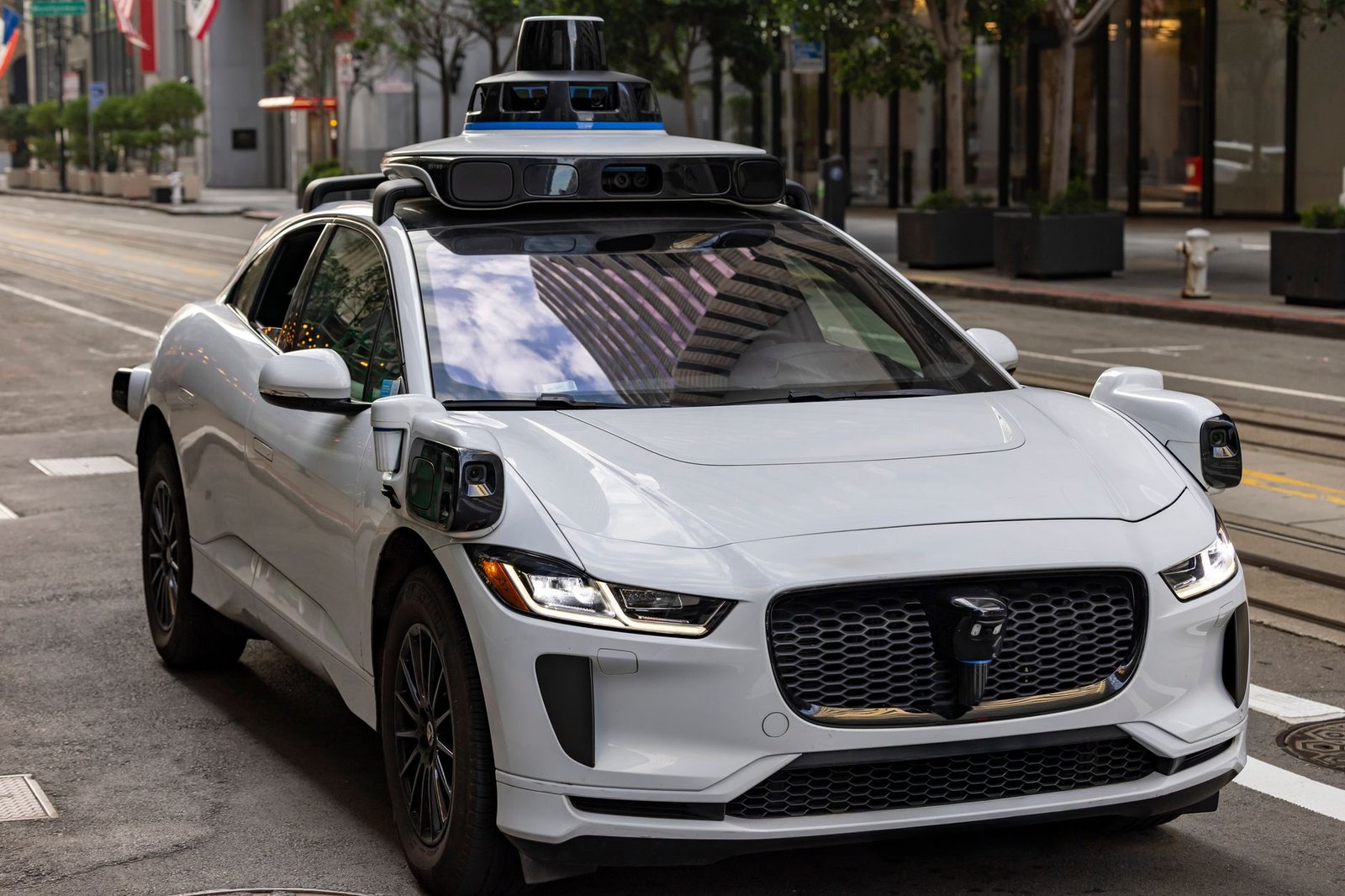
To visualize this concept, think of a network of **autonomous cars** on city streets. Each vehicle represents an agent in this network, constantly communicating with nearby cars, traffic signals, and control centers. Instead of merely following pre-mapped routes, these cars use a shared pool of environmental data to adjust their paths in real time, optimizing traffic flow and reducing congestion.
In this scenario, The Loop allows the vehicles to operate as a coordinated unit, continuously learning from traffic patterns and pedestrian behaviors to improve safety and efficiency. This turns everyday transportation into a **dynamic, intelligent system** that supports zero downtime.
Challenges and Considerations
While The Loop opens up exciting opportunities, it also introduces complex challenges. The key concern is ensuring that these swarms of AI agents do not go astray. It is crucial to set safeguards that prevent rogue behaviors and maintain control over their decision-making processes.
Moreover, the ethical implications of relinquishing control to AI agents that operate autonomously merit discussion. Balancing innovation with responsibility will be essential as we move forward.
The Future of AI with The Loop
The Loop is not just a technological advancement; it is a paradigm shift in how we think about AI and its applications. As these self-governing networks of agents evolve, they will likely transform industries and reshape entire sectors. The promise of endless, intelligent automation could dramatically alter how everyday tasks are completed, accelerating innovation and productivity in ways we can only begin to imagine.
As we explore the unknowns of this emerging frontier, we stand on the cusp of an era where AI’s potential seems limitless. While the journey will undoubtedly present challenges, the allure of a future driven by autonomous, ever-evolving AI agents continues to spark the imagination of scientists, tech enthusiasts, and industry leaders alike.
