



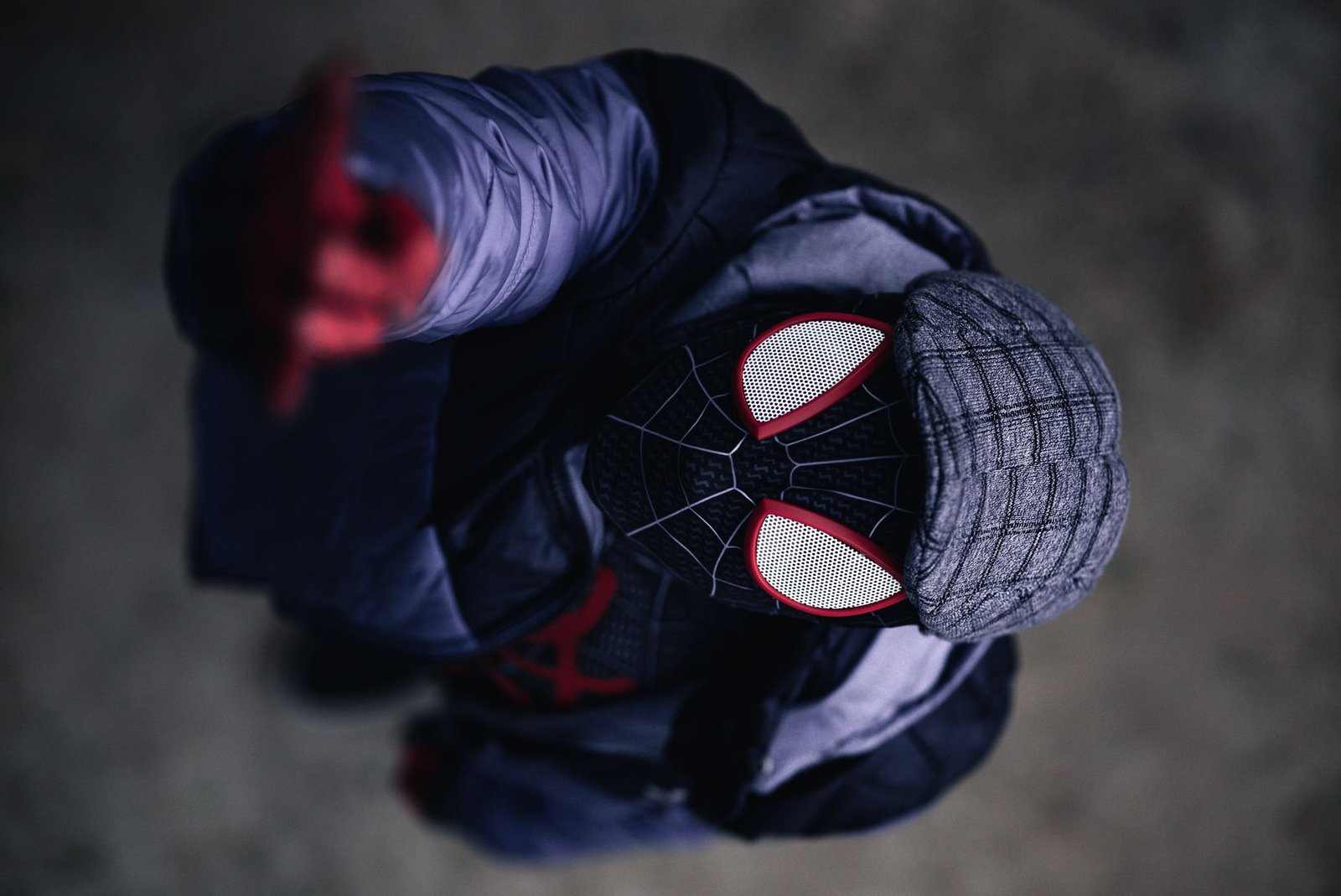
Spider-Man fans, brace yourselves: the web-slinger is set to return in “Spider-Man: Brand New Day.” After a five-year hiatus from cinema screens, this latest installment picks up the story from 2021’s blockbuster, “No Way Home.” With Sony Pictures releasing a gripping new trailer, anticipation is building to dizzying heights.

Key Takeaways
- The new movie continues directly from the events of “No Way Home.”
- Expect appearances from fan-favorites like the Hulk and Punisher.
- The narrative explores themes of memory and identity.
- Delve into the consequences of Peter Parker’s past decisions.
- Emerging dynamics in character relationships drive the plot forward.
The Legacy of “No Way Home”
“No Way Home” left audiences on the edge of their seats with its daring conclusion. **Peter Parker**, portrayed by Tom Holland, makes the heart-wrenching decision to ask **Doctor Strange** (played by Benedict Cumberbatch) to erase his existence from the minds of everyone, including his beloved MJ, played by Zendaya. This drastic move was crucial to guard the stability of the multiverse—a complex concept where multiple versions of the universe coexist.
Unpacking the Multiverse
For the uninitiated, the **multiverse** refers to a theoretical framework in which parallel universes—each with subtle or significant differences—can exist simultaneously. Think of it as a vast library with countless books, each book representing a different universe where the narrative could take a unique turn. This theory, though popularized by superhero movies, is also a topic of serious discussion in physics and cosmology.
A New Chapter Begins
The announcement of **Spider-Man: Brand New Day** reveals intriguing developments in Peter Parker’s world. The reintroduction of iconic characters such as the **Hulk** and the **Punisher** suggests a rich tapestry of alliances and conflicts. How these relationships evolve—amidst the backdrop of erased memories—is central to the storyline.
Character Dynamics and Evolution
Friendships and rivalries will take center stage, enriched by the shared histories and evolving motivations of these characters. Imagine meeting an old friend who doesn’t remember the shared experiences you cherish—how would that redefine your interaction? Likewise, Peter Parker navigates a world where familiar faces are suddenly strangers, offering fertile ground for exploring themes of identity and belonging.
Real-World Parallels
Reflecting on the idea of memory and identity in Spider-Man’s narrative, consider the human experience of amnesia, where memory loss can drastically alter one’s identity and relationships. This analogy highlights the emotional and psychological complexities Peter faces, making his story relatable beyond the comic book realm.
The Future of Spider-Man in Popular Culture
As we look ahead to the release of “Spider-Man: Brand New Day,” the film promises to reignite debates on friendship, sacrifice, and the ever-evolving nature of heroism. By blending the fantastical elements of comic book lore with universally understood human dilemmas, the upcoming film aims to captivate both devoted fans and newcomers.
The portrayal of **memory and identity in the multiverse** reflects broader technological conversations—a reminder of how our stories shape our reality. Just as Peter Parker contemplates the consequences of altered memories on his world, society today grapples with how technology shapes identity. AI, for instance, is changing how we recall and share experiences, challenging us to consider what the future holds.
In bridging the gap between fantasy and reality, “Spider-Man: Brand New Day” isn’t just another chapter in a long-running series. It is a commentary on the evolving nature of story-telling in an era where the lines between human experience and digital exploration blur evermore. As the film finds its way into theaters, it hints at a future where storytelling and technology are inextricably linked, much like the webs weaved by our favorite neighborhood Spider-Man.
