



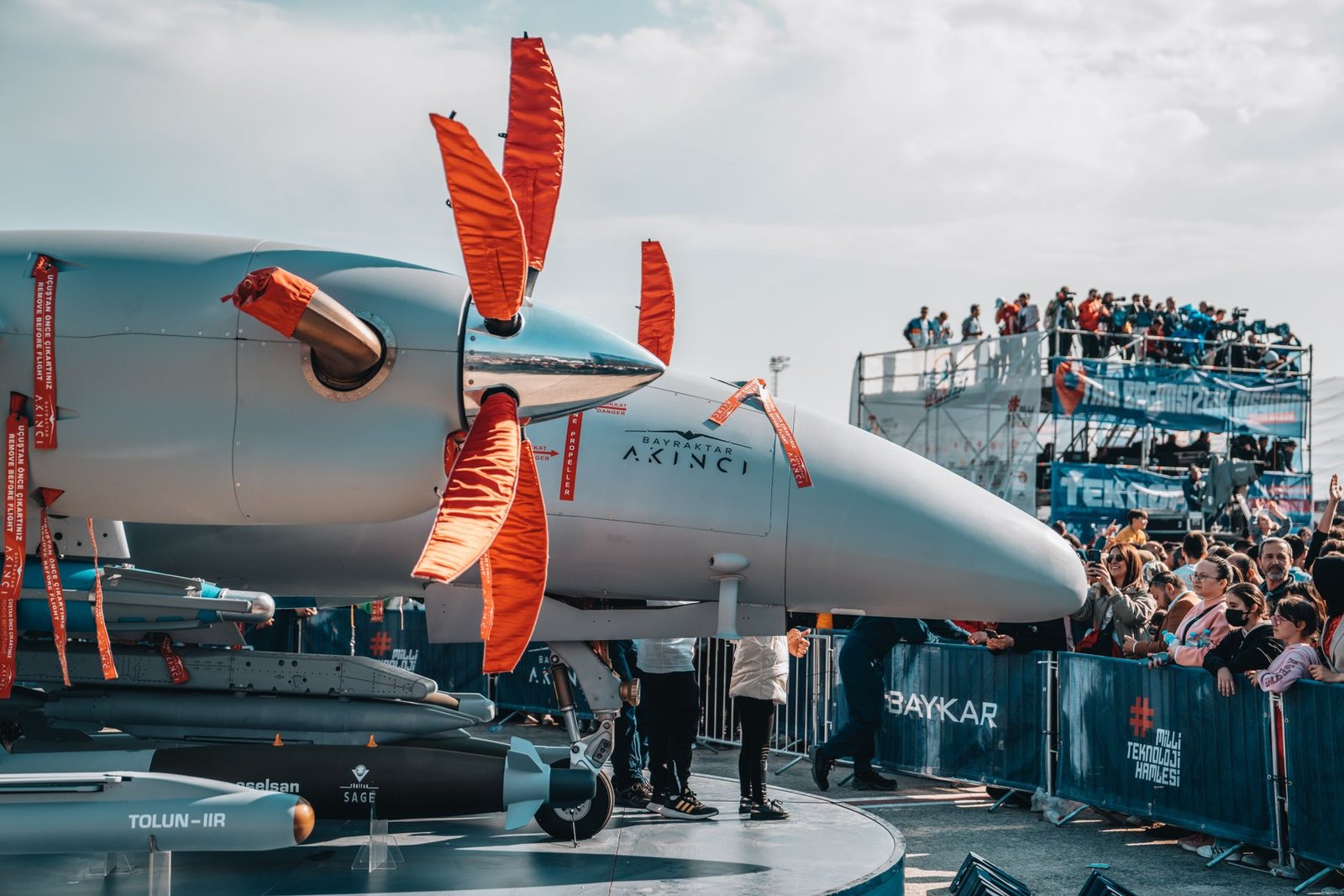
As global tensions simmer, Taiwan is advancing its technological frontiers to safeguard its autonomy. With China’s presence looming, Taiwan is fast becoming a pivotal player in the drone industry, not just for self-defense but also as a supplier to the United States military and other international markets.
Key Takeaways
- Taiwan is ramping up its drone production to deter potential threats and strengthen its military arsenal.
- An ambitious budget proposal could see over 200,000 drones being manufactured in Taiwan between 2026 and 2031.
- Collaboration with international defense industries enables Taiwan to export drones to significant buyers like the US military.
- High-tech, autonomous drones are integral to modern defense strategies, acting as force multipliers.
- As technology advances, artificial intelligence (AI) plays a critical role in elevating drone capabilities.
The Strategic Importance of Drones
In an era where technological advancement is the linchpin of national security, Taiwan’s focus on bolstering its **drone production** is both strategic and timely. Drones, or unmanned aerial vehicles (UAVs), are aircraft operated without a human pilot on board. They have become crucial in modern warfare due to their ability to carry out **surveillance**, **reconnaissance**, and even **precision strikes** without risking human lives. Increased production of drones represents a tactical advancement for Taiwan, allowing it to surveil vast coastal regions and respond rapidly to national security threats.
Investment in Domestic Production
To achieve this ambitious goal, Taiwan’s Ministry of National Defense has laid out a plan to inject $6.6 billion into local drone manufacturing over the next six years. This investment aims to produce a dynamic mix of drone types: over 208,000 coastal attack drones, more than 1,400 coastal reconnaissance drones, and 1,320 unmanned surface vessels. These advancements will significantly augment Taiwan’s current stockpile, which includes a limited number of US-made attack drones and some local varieties. Through these efforts, Taiwan seeks to create a self-sustaining drone ecosystem that can operate independently of foreign inputs.
International Collaborations
While focusing on bolstering its arsenal, Taiwan is also forging paths with international partnerships. Taiwanese companies have begun exporting drones to the US military, a strategic move that benefits both parties involved. The United States gains cutting-edge drone technology while Taiwan solidifies its position as a trusted ally in global defense. Such collaborations serve mutual strategic interests, fortifying alliances through shared technological advancements.
Real-World Exercise Scenarios
Taiwan’s military maneuvers demonstrate the practical applications of these technologies. In recent exercises, Taiwanese forces deployed **Altius-600** loitering munition drones, capable of hovering before striking targets, illustrating how AI-enhanced drones can provide tactical advantages. The drones were released from flatbed launchers and targeted offshore assets, proving their effectiveness in live combat scenarios. This real-world testing underscores the role of drones in redefining military strategy and highlights AI’s potential to revolutionize these technologies.
The Role of AI in Modern Defense
The integration of artificial intelligence in drone technology further amplifies its capabilities. **AI-driven drones** can analyze complex terrain, identify potential threats, and make autonomous decisions faster than human operators. Imagine a smart personal assistant that can predict your needs and act accordingly—AI in drones performs similarly; it anticipates adversarial actions and adjusts strategies in real-time, a game-changer for military operations.
As AI continues to evolve, the implications for unmanned technology are vast. Enhanced machine learning algorithms allow drones to become smarter, more efficient, and responsive to evolving threats. This demonstrates AI’s dual role—both as a facilitator of advanced defense systems and a catalyst for global technological partnerships.
Looking Ahead
Taiwan’s venture into drone production signifies more than militaristic ambition; it marks the dawn of a tech-savvy strategy that blends defense capabilities with diplomatic outreach. As Taiwan continues to focus on autonomy and collaboration, its drone initiative symbolizes a broader trend: the blending of traditional defense tools with cutting-edge technologies like AI. The implications for global security and AI’s transformative power are bound to resonate well beyond Taiwan’s borders, showcasing how innovation can lead to new avenues for peacekeeping and cooperative advancements on the world stage.
