




In an unprecedented twist of nature’s expectations, West Antarctica is grappling with a bizarre anomaly: significantly higher temperatures that have stalled the usual ice formation, even in the heart of winter. This enigmatic climatic behavior could leave lasting imprints on global ecosystems, driving a level of urgency in understanding climate impacts through advanced AI models. Dive in as we unpack the mysteries of this icy enigma and the pivotal role AI can play in reshaping our understanding of such climate dynamics.
Key Takeaways
- West Antarctica experiences temperatures soaring 45 degrees Fahrenheit above normal, disrupting typical ice formation.
- Understanding climate change impacts can be enhanced through AI-powered models predicting weather patterns.
- Machine learning techniques help scientists interpret complex climate data more efficiently.
- AI paves the way for simulating future climate scenarios, assisting in proactive environmental strategies.
The Antarctic Paradox: Unraveling the Ice Mystery
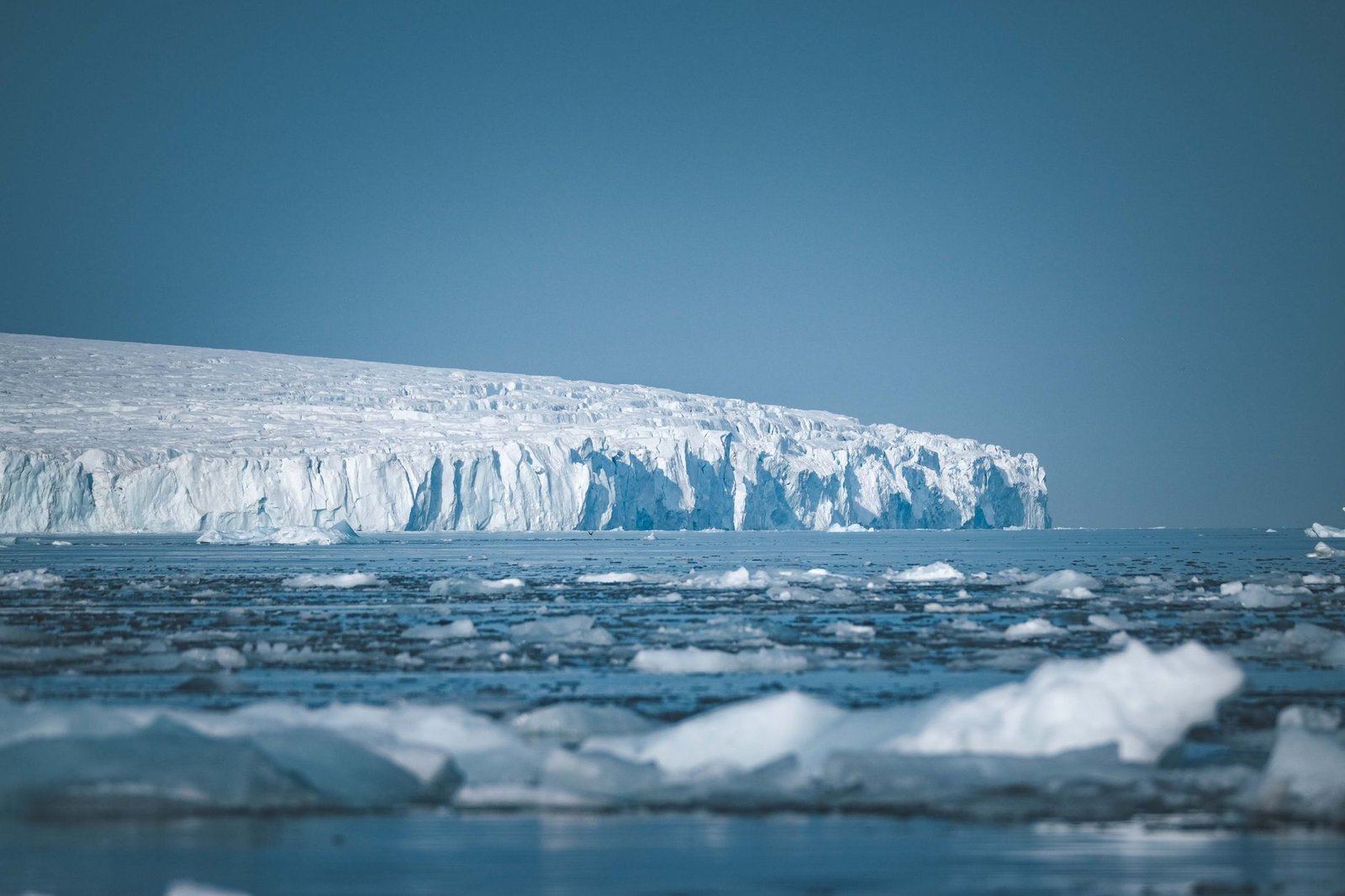
Traditionally, **Antarctica** conjures images of towering ice shelves and bone-chilling winds. Yet, recent events have flipped the script, introducing an unexpected paradox: warmer winter temperatures in West Antarctica. This astounding shift has stopped ice in its tracks, leaving both scientists and onlookers baffled. The primary factor is an unusual rise in temperature—45 degrees Fahrenheit above what is typically expected.
The Role of Advanced AI in Climate Exploration
Climate change’s complexity demands cutting-edge tools for accurate analysis. Enter **Artificial Intelligence (AI)**: the game-changer revolutionizing our approach to understanding and predicting climate variations. By leveraging AI, scientists are better equipped to process vast data sets from the polar regions, transform these into meaningful insights, and prepare detailed climate models.
Decoding Climate Change with Machine Learning
**Machine Learning**, a subset of AI where algorithms learn patterns from data, plays a vital role in decoding climate intricacies. Through machine learning, scientists can sift through billions of climate data points to identify trends and anomalies—like the unexpected warmth in Antarctica. This computational power enables experts to forecast long-term patterns, potentially averting ecological surprises.
From Numbers to Narratives: A Tangible Analogy
Imagine **machine learning algorithms** as a school of diligent language translators. Just as these translators convert foreign text into understandable language, machine learning takes raw data and turns it into actionable climate insights. This shift empowers researchers to better visualize the dire consequences of climate shifts and address necessary changes proactively.
Predicting the Unpredictable: AI’s Role in Future Climate Strategies
With the unpredictability seen in West Antarctica, AI offers a beacon of hope. Tools like deep learning—a more complex form of machine learning—allow prediction models to accommodate myriad variables, producing forecasts with unprecedented precision. This capacity empowers experts to simulate “what if” scenarios, crucial for devising versatile adaptation strategies to climate threats.
As climate unpredictability rises, authorities and policymakers need reliable predictions to draft effective environmental policies. The insights derived through AI models contribute to strategic initiatives aimed at mitigating the impact of climate anomalies on our planet’s delicate balance.
Charting the Course Ahead with AI
The Antarctic warmth spell sends a clear signal: as the climate evolves, our strategies must evolve in tandem. AI is more than a technological marvel; it’s humanity’s ally in navigating and safeguarding Earth’s climate terrain. Looking to the future, AI’s role will be central, helping not only in climate prediction but also in fostering innovations that mitigate further damage. This intersection of technology and climate sciences represents a dynamic frontier where knowledgeable partnerships pave the way for sustainable progress. While Antarctica may be missing ice today, with AI, we can ensure preparedness for whatever climate surprises tomorrow holds.
