


Imagine a world where software can fix its own bugs. This futuristic vision inches closer to reality as Elastic prepares to acquire Deductive AI, a trailblazing startup known for its innovative approach to software debugging. Let’s dive into what this merger means for the world of artificial intelligence.
- Elastic aims to integrate Deductive AI to enhance its product portfolio.
- Deductive AI specializes in using AI to detect and solve software bugs.
- The acquisition deal is valued at up to $85 million.
- This move highlights the growing trend of AI-driven problem-solving.
- The acquisition could redefine automation and debugging in software development.
The Rise of Smart Software Debugging
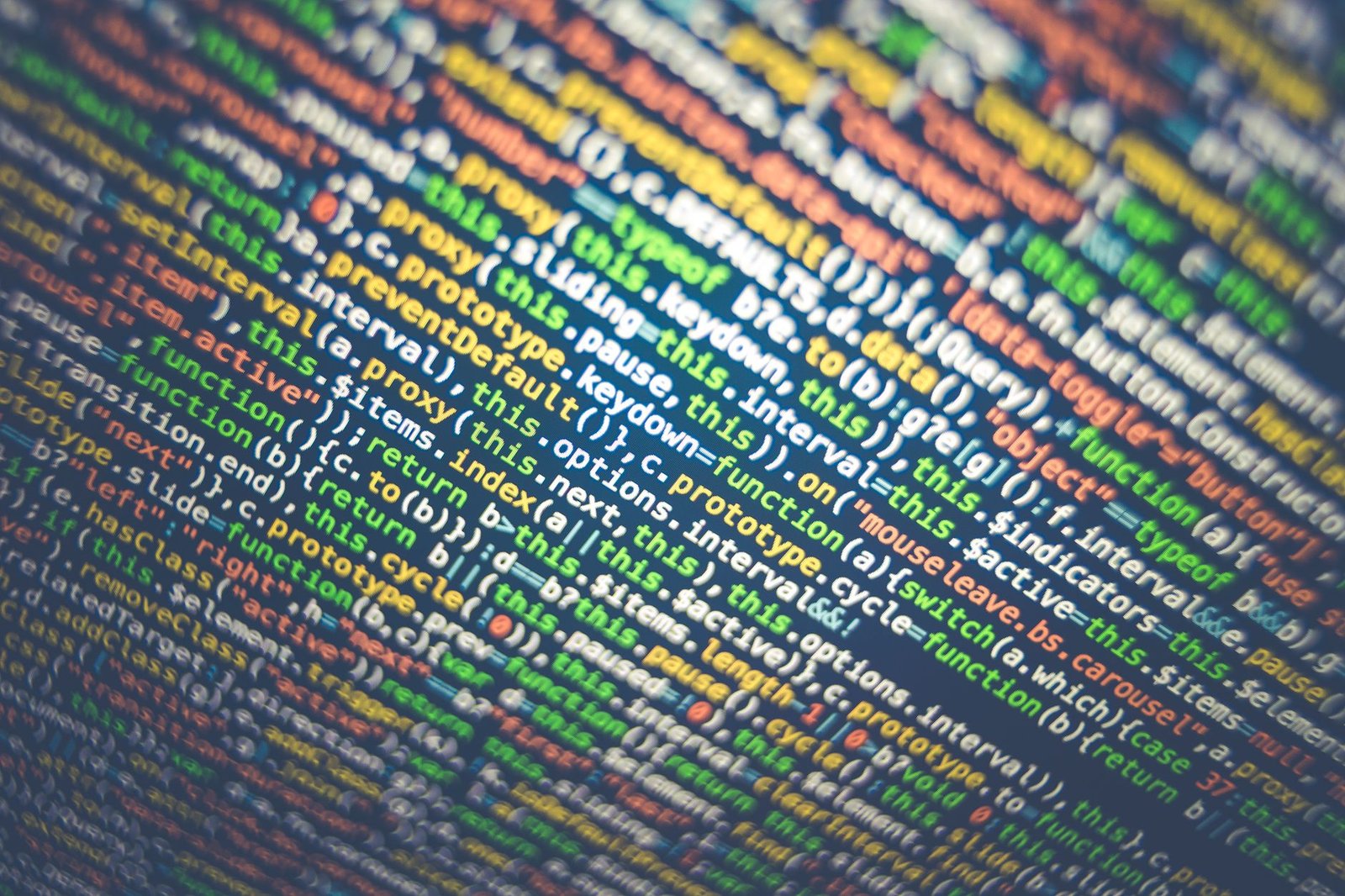
Software bugs can be a developer’s nightmare, causing unexpected behaviors that are both time-consuming and costly to resolve. Typically, debugging requires manual intervention and a deep understanding of code patterns. **Deductive AI**, founded three years ago, has made waves by developing AI that automatically identifies and resolves these issues.
How Deductive AI Works
Deductive AI employs **machine learning**, a subset of AI that enables systems to learn from past data and improve over time. By analyzing countless lines of code, it recognizes patterns and anomalies that could signify a bug. This process, akin to how a seasoned chef might detect an unusual taste in a dish, allows the software to ‘self-heal’ by suggesting solutions or applying fixes directly.
Elastic’s Move to Acquire Deductive AI
Elastic, renowned for its search-related technologies, sees a natural synergy in integrating Deductive AI’s capabilities with its offerings. By acquiring Deductive AI for up to $85 million, Elastic aims to bolster its portfolio with cutting-edge tools that could revolutionize how developers approach debugging.
The acquisition reflects a pivotal trend in tech: the use of AI not just for enhancing features but for solving intrinsic software challenges. It opens the door to more reliable software systems and reduces downtime resulting from unresolved bugs.
Practical Implications for Developers
For those in the trenches of software development, this merger is a breath of fresh air. Imagine a developer discovering that their meticulously crafted software has an issue. Instead of diving into endless lines of code, **Deductive AI** tools can analyze and suggest fixes autonomously. This level of efficiency can significantly cut down on both time and frustration, allowing developers to focus on innovation rather than maintenance.
To encapsulate this concept, think of Deductive AI as a vigilant custodian monitoring and maintaining the cleanliness of a bustling city, ready to step in and restore order whenever necessary.
The Future of AI in Software Development
With AI becoming an increasingly important player in software development, the Elastic-Deductive AI deal is a bellwether for future trends. It showcases the industry’s shift towards embracing AI not just for complex tasks, but for practical and foundational tasks like debugging.
As AI continues to evolve, we can anticipate seeing **more integrations** that enhance software reliability, automate routine tasks, and ultimately create a development environment where creativity has no bounds. The implications reach beyond the realm of debugging, potentially affecting how entire systems are designed and executed.
This acquisition is just one stepping stone toward a future where AI not only complements human efforts but also potentially changes the very fabric of how we build and maintain technology. As AI tools continue to refine their capabilities, we stand on the brink of an era where AI’s role in software development is indispensable.
