

How might today’s software development landscape revolutionize right before our eyes? With Elastic’s recent decision to acquire Deductive AI, the tech world is buzzing with the potential transformations that could enhance how we build, test, and deploy software.
Key Takeaways:
- Elastic plans to acquire Deductive AI for up to $85 million.
- Deductive AI specializes in identifying and fixing software bugs using AI.
- This acquisition could accelerate bug resolution in software development.
- A three-year-old startup, Deductive AI already made significant industry waves.
- The acquisition highlights growing investments in AI for software development.
Understanding Deductive AI’s Appeal
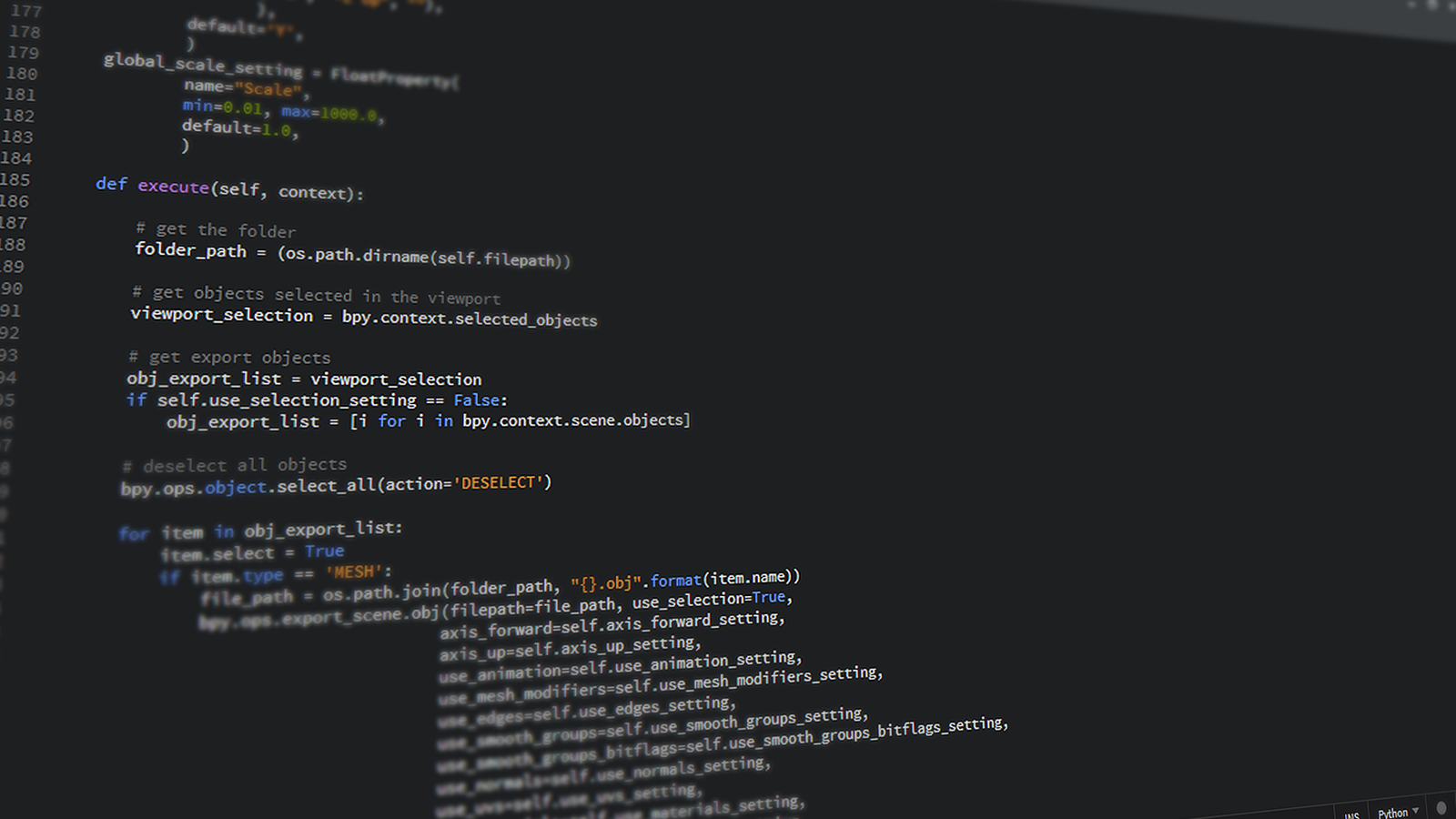
In only three short years, Deductive AI has carved out a niche for itself by harnessing the power of artificial intelligence to transform the way developers identify and resolve software bugs. A bug in software is any unintended behavior that causes a system to crash or operate unexpectedly. Traditionally, identifying bugs can be a painstakingly manual process, but Deductive AI leverages AI to automate and streamline this operation.
The Underlying Technology
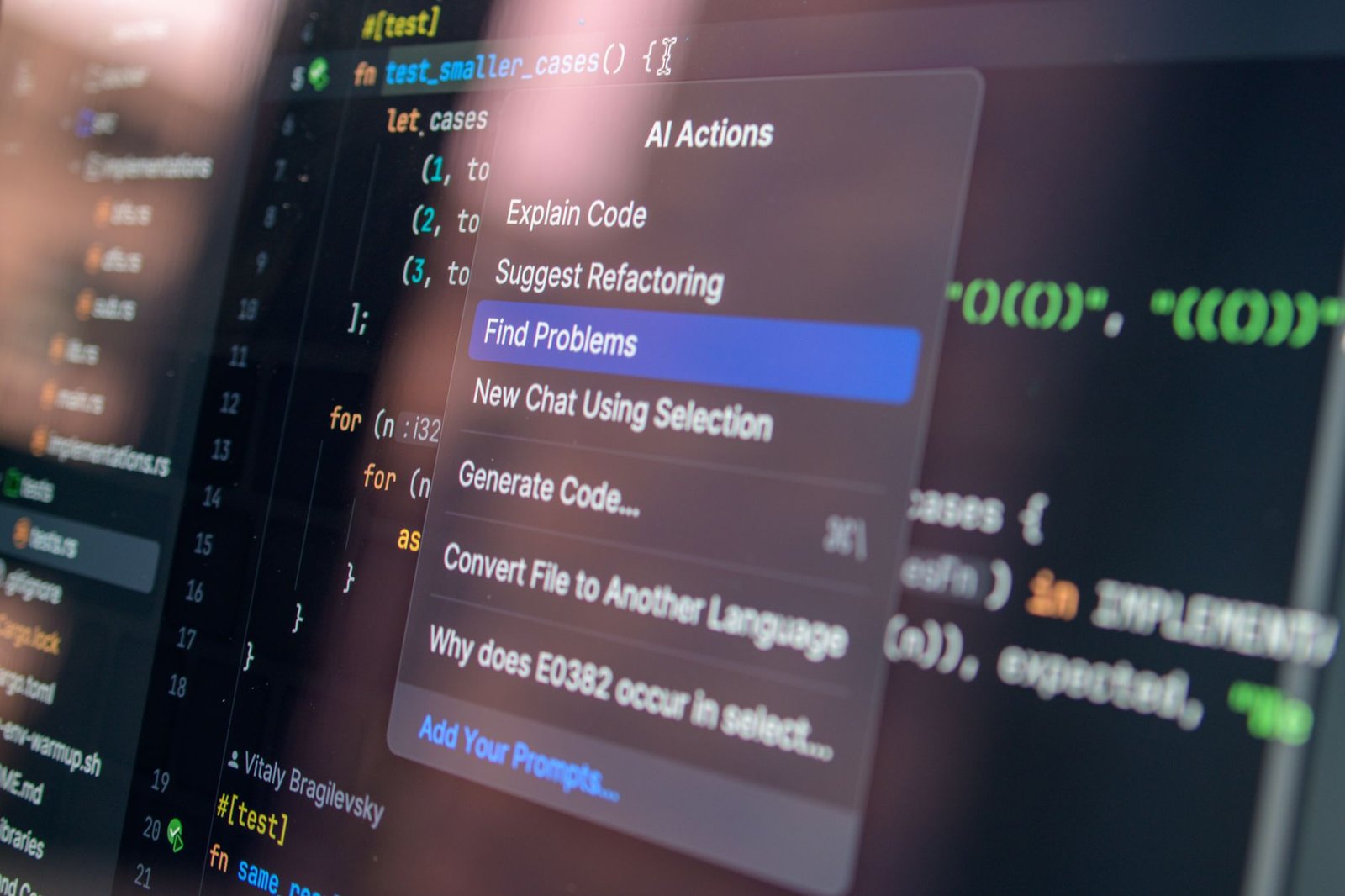
Deductive AI employs advanced algorithms to scrutinize lines of code and automatically detect anomalies. Think of it like having a 24/7 assistant who never tires of checking your work—only this assistant relies on AI-driven analysis to spot and suggest fixes for potential issues faster and with more precision than a human might.
Elastic’s Strategic Move
Elastic, known for its robust search and data platforms, sees Deductive AI as a strategic fit for enhancing its capabilities. This acquisition could enable Elastic to integrate advanced bug detection and resolution tools directly into its existing platforms, which would be a boon for developers using Elastic’s offerings.
Why This Matters
At the core, software bugs can hold up project timelines, inflate budgets, and even compromise security. The ability to resolve these issues more swiftly and accurately not only enhances productivity but also improves software quality and security. Consequently, Deductive’s solutions align closely with Elastic’s goals of providing efficient, reliable data solutions.
Transforming the Software Development Ecosystem
The potential impact of this acquisition spans beyond just Elastic’s platform. It signals to the wider tech community the growing importance of investing in AI-driven tools that enhance rather than replace human capabilities. Tools that partner with developers to help us tackle the nuanced challenge of debugging are invaluable in an industry where the pace of development is ever-increasing.
Real-World Applications
Consider modern cars, which are essentially computers on wheels. Complex software runs everything from navigation systems to engine control modules, and Deductive AI’s technology could ensure these systems run flawlessly with minimal human oversight, reducing the risk of costly recalls caused by software glitches.
The Future of AI in Software Development
This acquisition highlights a growing trend: the fusion of AI into software development processes. As AI continues to evolve, its role will expand to include advanced collaborative programming, predictive analytics, and even automatic code generation. Such innovations hold the potential to redefine efficiency and creativity in development, allowing professionals to focus more on conceptual and high-level tasks.
Looking ahead, Deductive AI’s integration with Elastic may shape the future of software development by offering a glimpse of how AI can augment human skills in real-world applications. As this technology matures, we may find ourselves in a development landscape that increasingly leverages AI to minimize errors and optimize performance, fundamentally altering our expectations of what’s possible in software craftsmanship.
