



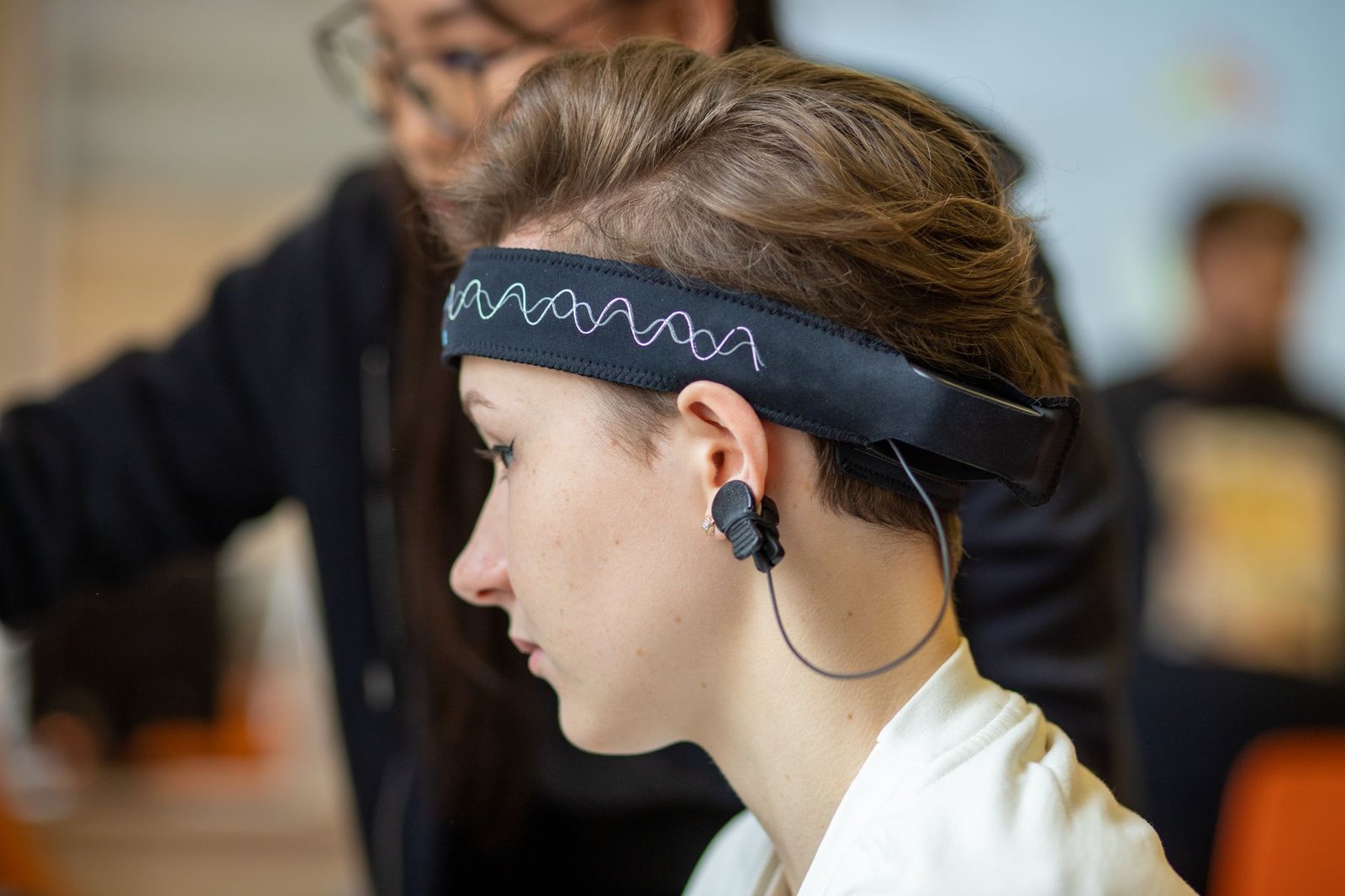
Imagine a world where your thoughts can operate machines, enhance your experiences, and expand your capabilities beyond conventional limits. By investing in Merge Labs, OpenAI is pushing the envelope of what’s possible with technology and the human mind.
Key Takeaways
- OpenAI’s investment in Merge Labs is focused on advancing brain-computer interface technology.
- The goal is to bridge the gap between biological and artificial intelligence.
- This pioneering effort could redefine human ability and personal agency.
- The potential applications range from enhanced human-machine communication to new realms of human experience.
Unpacking the OpenAI-Merge Labs Investment
OpenAI’s strategic move to support Merge Labs is centered around the development of **brain-computer interfaces** (BCIs). These are cutting-edge technologies designed to create a direct communication pathway between the human brain and external devices. The idea is to use technology to augment human capabilities, offering seamless integration and interaction.
Bridging Biological and Artificial Intelligence
The concept revolves around merging our natural neural functions with artificial systems. At its core, this innovation seeks to ensure that **artificial intelligence** can become an extension of our natural intelligence, rather than a separate entity. By leveraging BCIs, individuals could potentially gain enhanced control over digital interfaces, medical devices, and even other humans in a way that feels as intuitive as moving a limb.
Consider a **real-world analogy**: It’s like upgrading a car with an autopilot feature. The car (biological intelligence) can operate on its own, but with autopilot (artificial intelligence), it navigates more efficiently, safely, and reaches capabilities it never had before.
The Impact on Human Ability
The most compelling aspect of this initiative is its potential to maximize human ability. **Human agency**—the capacity to act independently and make choices—could be revolutionized as individuals communicate directly with machines through thought, bypassing traditional input methods like typing or tapping.
For instance, people with physical disabilities could regain control and interaction capabilities that are currently limited. The new interface could offer them freedoms and opportunities previously thought out of reach, fundamentally improving quality of life.
Experience and Interaction Redefined
Not only does this technology enhance physical abilities, but it also paves the way for enriched experiences. Imagine virtual reality environments where the user interface adapts to your thoughts and emotions, creating a dynamic, immersive experience personalized to an unprecedented extent.
Furthermore, the fusion of biological and artificial intelligence through BCIs could lead to new forms of artistic expression, entertainment, and even education, where interaction is not bound by physical limitations.
What This Means for the Future of AI
OpenAI’s investment in Merge Labs is more than a financial endorsement; it’s a visionary step toward a future where human potential is reimagined and expanded. As BCIs evolve, they spell a future rich with possibilities—not just for technology enthusiasts, but for humanity at large.
In the coming years, we can expect to see substantial strides in how humans interact with machines, potentially heralding a new era of cognitive and experiential breakthroughs. This initiative underscores a profound shift towards a more inclusive and empowered technological society, signifying that the boundaries of possibility are continually being stretched.
