




In an era where AI and space exploration increasingly intertwine, the appointment of Roelof Botha to SpaceX’s board signifies more than just a change in leadership. This move comes close on the heels of SpaceX’s monumental public offering, which has stirred the market like never before. It prompts a deeper look at how AI’s role in space tech might evolve.
Key Takeaways
- Roelof Botha, a key figure from Sequoia Capital, joins SpaceX’s board of directors.
- This decision follows SpaceX’s historic IPO, marking one of the largest ever in financial history.
- Botha’s expertise could drive innovative AI integration into space technology.
- Increasing AI adoption in aerospace could transform both industries significantly.
- Expect accelerated efficiencies and groundbreaking technology developments in the coming years.
The Confluence of AI and Aerospace
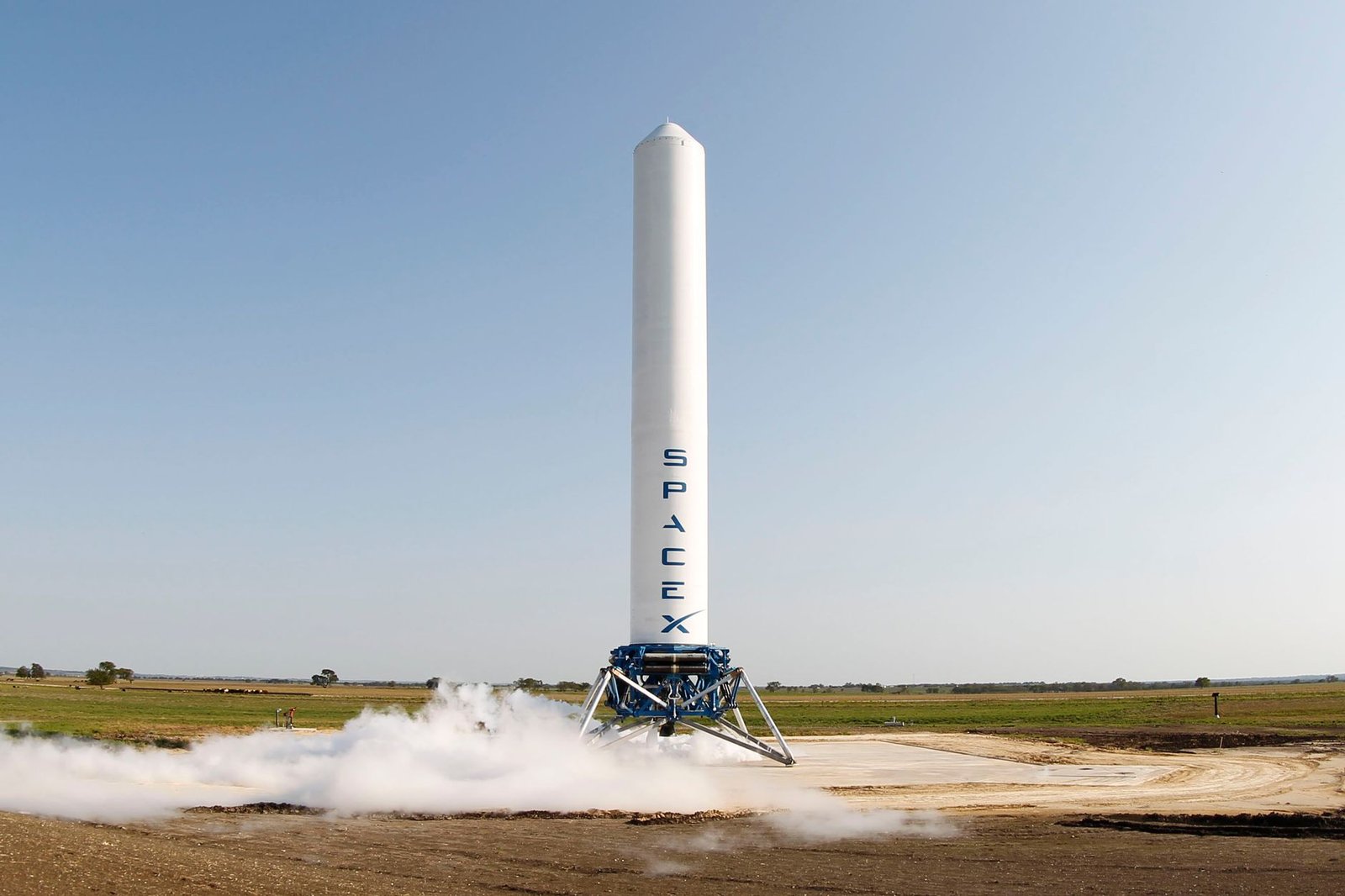
SpaceX, a leader in aerospace innovation, is known for pushing boundaries with its reusable rockets and ambitious Mars colonization plans. The integration of **Artificial Intelligence (AI)** is becoming pivotal not only in optimizing flight patterns and resource management but also in enhancing safety protocols. The recent addition of Roelof Botha is strategic, signaling a potential shift towards leveraging AI for further breakthroughs.
Who is Roelof Botha?
Roelof Botha is renowned for his tenure at **Sequoia Capital**, where he guided numerous tech companies to success. His prowess in identifying and nurturing technological innovation is legendary. Bringing such a visionary to SpaceX’s helm might enhance how AI is utilized in space missions. From automating routine tasks to making informed decisions in split-second scenarios, AI applications are set to expand rapidly under his influence.
Why Now? The Timing of Botha’s Appointment
The timing of this board appointment couldn’t be more apt. It arrives just as SpaceX celebrates its **Initial Public Offering (IPO)**. An IPO is when a company offers its shares to the public for the first time, a significant milestone indicating growth and welcoming investment. Post-IPO, both expectations and scrutiny heighten, necessitating strategies that deliver robust returns and transformative advancements.
AI: The Rocket Fuel for Future Missions
Consider AI as the “rocket fuel” for future endeavors—a catalyst enabling us to reach new heights efficiently. Just as GPS technology revolutionized everyday navigation, AI could redefine space exploration paradigms by managing vast datasets, predicting equipment failures, and ensuring safe landings. Imagine autonomous spacecraft navigating themselves across the cosmic expanse, akin to self-driving cars navigating our cities.
The Strategic Advantage of AI in Space Exploration
AI offers a strategic edge through **predictive analytics** and real-time decision-making capabilities. For instance, employing **machine learning algorithms**—programs that work much like a human-learning process through data analysis—can help spacecraft to identify and react to unforeseen circumstances like sudden space debris. It’s this adaptability and learning ability that make AI invaluable in navigating and exploring the unknown.
Future Implications: A Glimpse into Tomorrow
The appointment of Botha to SpaceX’s board underlines a commitment to a technology-enhanced future, where AI is not just supplementary but central to aerospace evolution. With Botha at the helm, SpaceX might explore groundbreaking AI-infused missions, potentially leading innovations that could redefine our understanding of space.
Looking forward, we see a landscape where increased AI adoption leads to more efficient, cost-effective, and safer space explorations. As space and AI technology converge, it beckons a future replete with new possibilities not only for SpaceX but for the aerospace industry at large.
