



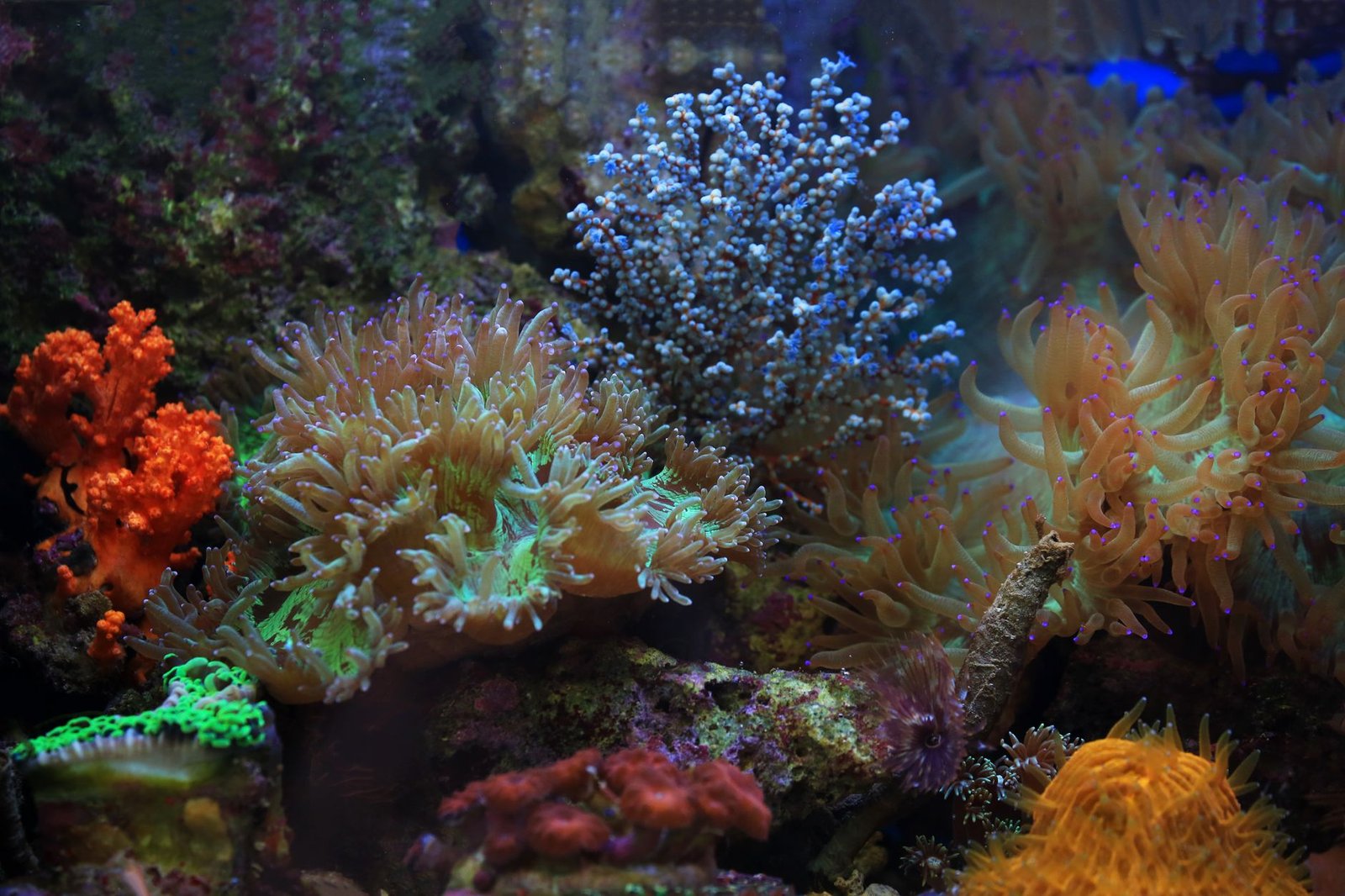
The shimmering waters of the Majuro lagoon hold secrets beneath the waves, but a small, yellow robot gliding on its surface might be key to unlocking the mysteries of how coral reefs can endure the relentless heat of global warming.

Key Takeaways
- Climate change poses a significant threat to coral reefs worldwide.
- Innovative technology like unmanned surface vehicles aids researchers in tracking resilient coral species.
- Understanding heat-tolerant reefs can guide conservation efforts and inform climate policies.
- Real-world analogies help us grasp how cutting-edge technology enhances scientific exploration.
- The future of AI in environmental studies is promising, offering solutions for preserving diverse ecosystems.
Navigating Climate Challenges with Technology
Amidst the majestic beauty of the Central Pacific lies a vital question: how can coral reefs survive in an era of rising temperatures? At the forefront of finding answers is Dr. Anne Cohen from Woods Hole Oceanographic Institution. Her trusted companion in this mission is Yellowfin, an innovative unmanned surface vehicle (USV) designed to autonomously navigate the ocean. It acts as an autonomous guide in challenging marine environments, precisely steering researchers to critical points without the need for masts or manual steering.
Decoding the Science: What Makes Corals Resilient?
Corals, much like canaries in coal mines, indicate environmental health but are highly sensitive to temperature changes. The search for heat-resistant coral reefs is akin to finding the strongest link in a chain; these hardy corals could provide a blueprint for sustaining marine life globally under climate stress.
An Analogy: How Technology Transforms Exploration
Imagine you’re on a treasure hunt with a GPS-enabled drone directing you to the chest. This setup exemplifies how technology like Yellowfin assists researchers. The robot, operatively similar to your drone, navigates daunting sea terrains with precision, effectively bridging the gap between challenging fieldwork and actionable scientific insights.
Transforming Research and Conservation
The central question remains: why are certain coral reefs more resilient to heat? By investigating these anomalies, researchers can expand the knowledge needed to drive conservation actions. As these resilient reefs are mapped and studied, they become beacons of hope, showcasing potential strategies to safeguard our oceans. This endeavor not only benefits marine life but also informs climate policies, urging more sustainable practices.
The Role of AI: Promising Horizons
Artificial Intelligence (AI) is accelerating such efforts, processing vast quantities of data collected by tools like Yellowfin. **Machine learning algorithms** analyze patterns and help identify likely candidates for further study. These AI-driven analyses enable researchers to predict and model how corals might adapt—or succumb—to future climate scenarios.
As climate challenges escalate, leveraging AI technologies will play a crucial role in ecosystem conservation. These advancements highlight a broader trend: AI is becoming an indispensable ally not just in tech industries but across environmental research and preservation.
Looking Ahead: AI and a Hopeful Future
With AI’s continued evolution, the potential to refine our understanding of the natural world is immense. As AI innovation converges with environmental science, we could unveil new strategies to protect Earth’s complex ecosystems. The tools we develop today, like Yellowfin, are just the beginning. **The fusion of AI and environmental research** is set to redefine our approach to ecological challenges, ensuring a more informed and resilient future for our planet’s coral reefs and beyond.
