



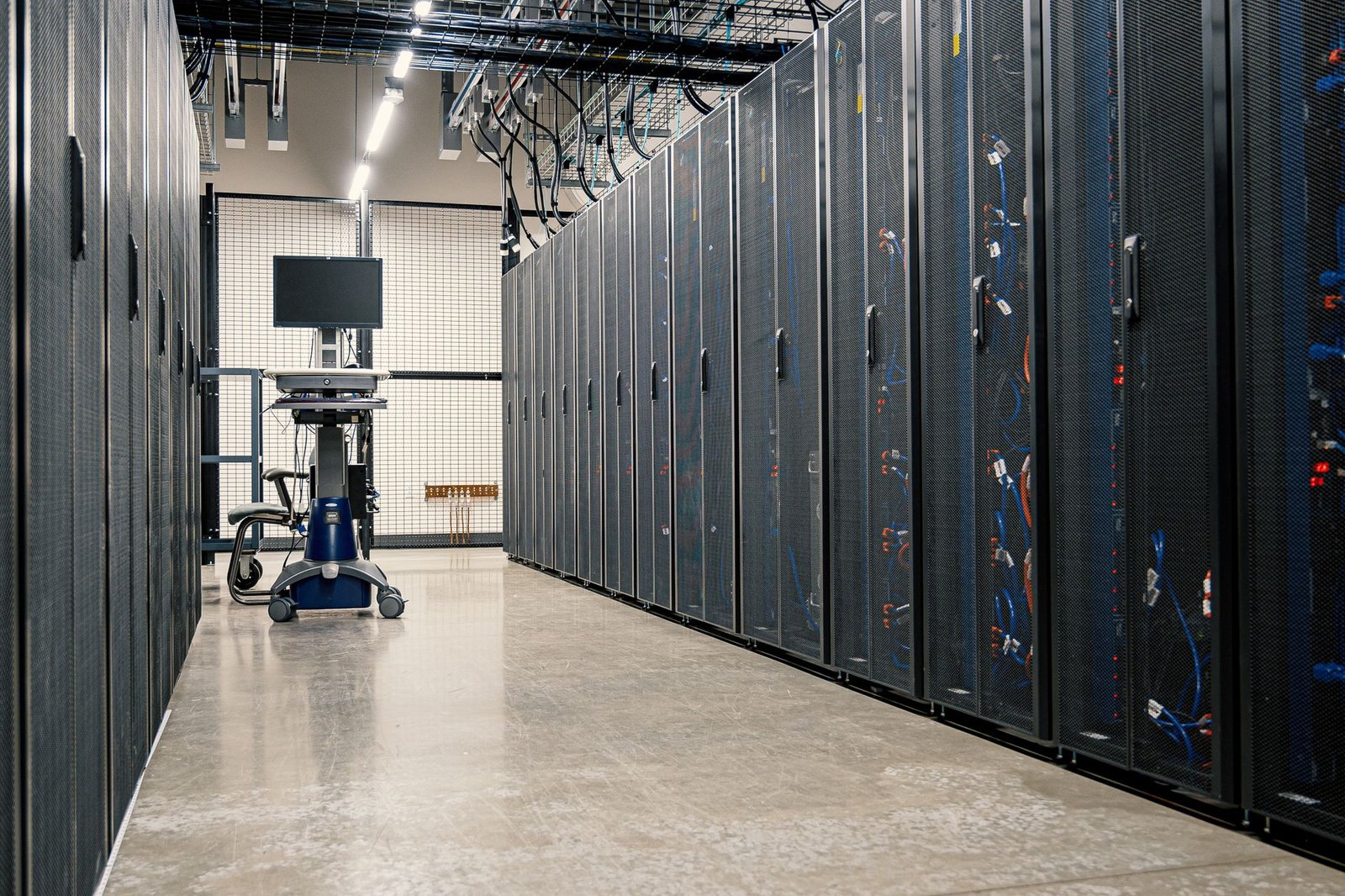
Imagine a world where technology giants like Nvidia take sweeping strides not just in performance but sustainability too. This isn’t just a dream—it’s happening now with innovative designs that could redefine the future of data centers. So, how exactly is Nvidia transforming this landscape?
Key Takeaways
- Nvidia is pioneering fully liquid-cooled data centers to significantly reduce both power and water usage.
- These advanced centers address environmental concerns but leave some issues, like construction impacts, unaddressed.
- Liquid cooling vs. traditional air cooling presents a significant engineering evolution with multiple benefits, yet comes with cost considerations.
- The design helps in tackling operational efficiency, though it prompts discussions on initial investment and resource management.
- The future of AI-driven data centers seems poised for more sustainable and efficient innovations.
Revolutionizing Cooling Systems: The Shift from Air to Liquid
Data centers, the backbone of our digital world, demand vast amounts of energy and water. Traditionally, they rely on air cooling systems which consume significant resources. **Nvidia’s latest innovation**, however, posits a new kind of solution: liquid-cooled data centers. But why does this matter?
Understanding Liquid Cooling
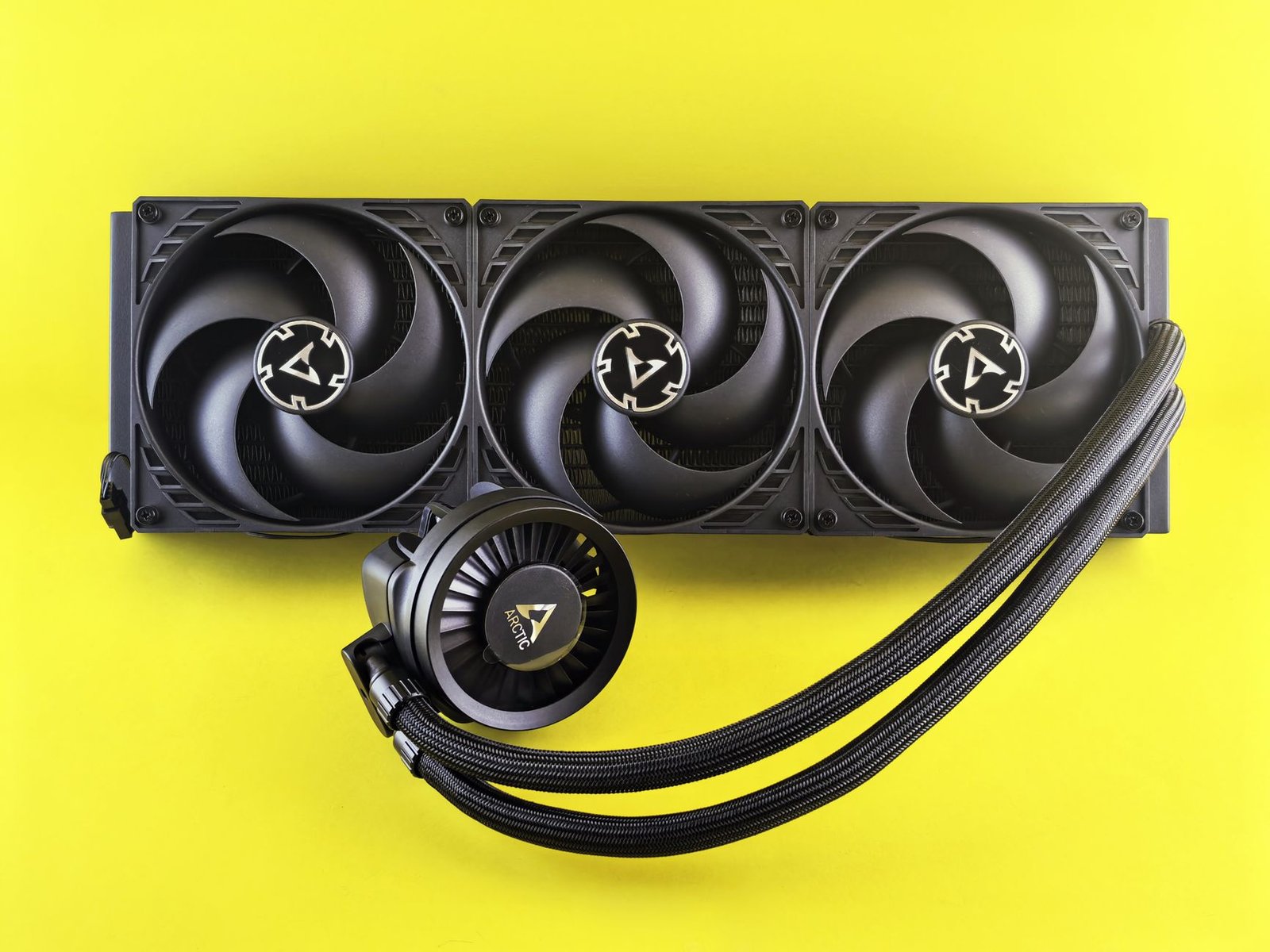
Like switching a fan for an efficient air conditioner on a blistering hot day, liquid cooling offers a superior methodology to dissipate heat. By circulating coolants directly over the heat-generating components, liquid systems can provide more effective temperature control than air methods. This means that these data centers operate at **higher temperatures** but with drastically reduced water and energy consumption.
Environmental Impact and Sustainability
With growing concerns over water shortages and carbon footprints, such technological advances, especially in **AI data centers**, are essential. Nvidia claims that their Ruben generation reference design has eliminated massive power usage and effectively removed nearly all water consumption. By reducing reliance on water, these systems not only lower operational costs but also significantly diminish environmental impact. However, as noteworthy as these innovations are, there are always two sides to every coin.
The Cost Conundrum
While liquid-cooled systems are impressively efficient, they aren’t without their controversies, particularly regarding **cost implications**. The construction of these advanced centers raises questions about their financial feasibility compared to traditional air-cooling setups. Initial investments might be higher, sparking debate over long-term value versus upfront expenditure. Such discussions highlight the broader challenges of transitioning to more sustainable solutions in industries dependent on massive infrastructures.
Putting It All into Perspective
Imagine your computer as a hot cup of coffee that needs to cool down. While a fan (air cooling) might blow the steam away, pouring it over a waterfall (liquid cooling) quickly chills it with minimal effort and resource use. This analogy puts Nvidia’s groundbreaking approach into terms that demonstrate its practical and ecological benefits. However, environmental pros don’t entirely erase the complexities of implementation and initial costs.
The Road Ahead
As AI continues to evolve, so too must the infrastructure it relies on. The pivot to **sustainable data centers** can’t be overlooked, as it represents a massive leap towards greener and more efficient technology operations. Nvidia is leading the charge, challenging the status quo, and paving the way for others to follow. What this means for the future is an opportunity for continuous innovation—where the tech world’s growing hunger for compute power is matched with innovative and sustainable solutions, securing a more balanced relationship with our planet’s finite resources.
