


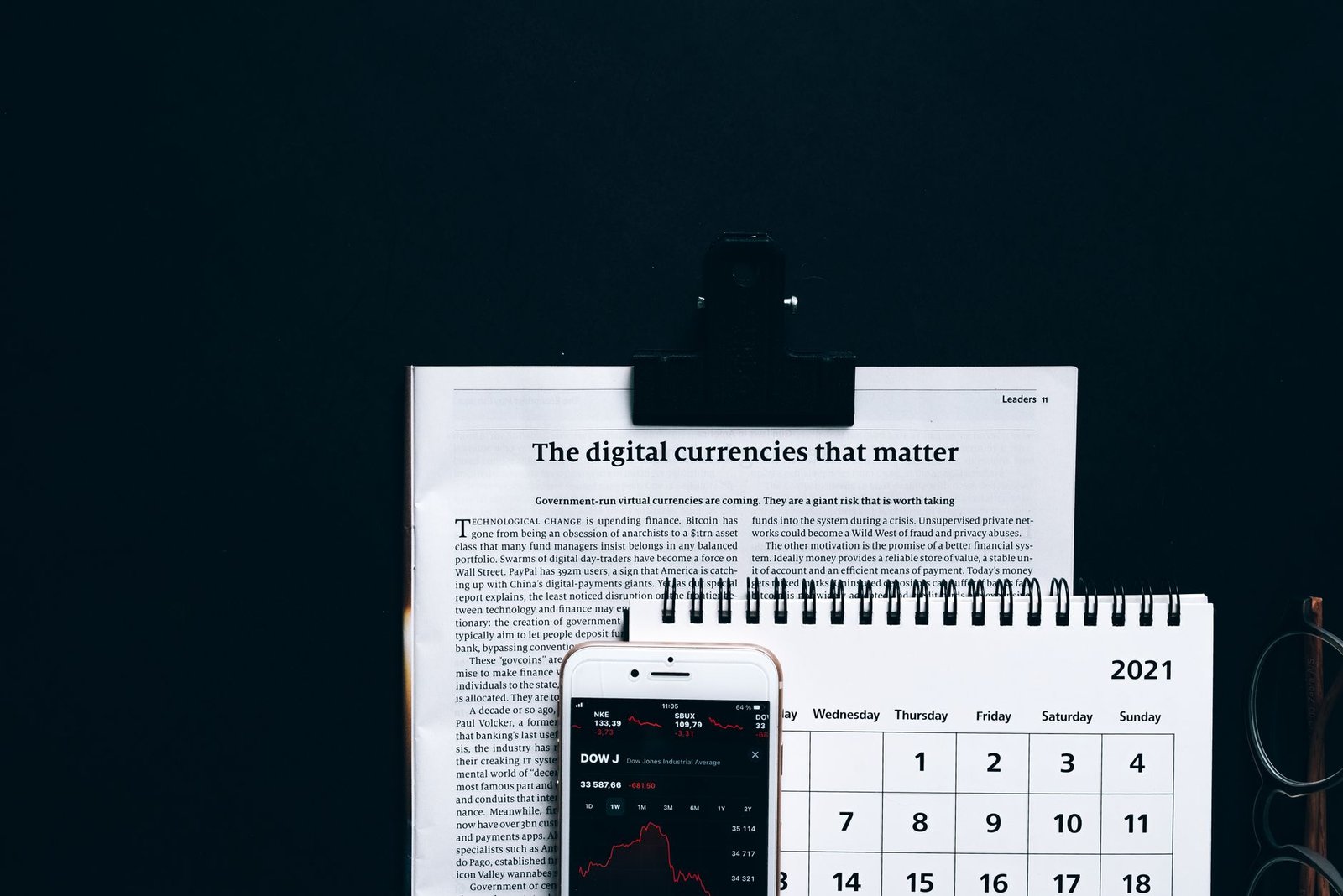
Imagine transforming your chaotic scheduling into a seamless part of your daily routine. Digital wall calendars, once considered unnecessary distractions, are revolutionizing how we manage our time, making them essential devices in our tech-savvy lifestyles.

Key Takeaways:
- Digital wall calendars integrate with AI to provide unparalleled scheduling solutions.
- They offer dynamic updates and notifications, making time management more efficient.
- Leading options like Skylight, Everblog, and Apolosign differ in features, catering to diverse needs.
- The technology is evolving, with future applications promising even greater integration with smart homes.
The Rise of the Digital Wall Calendar
The appeal of digital wall calendars lies in their **ability to organize our lives with minimal hassle**. Equipped with smart technologies, these calendars are not only replacing traditional planners but are also enhancing them with interactive features.
How AI Enhances These Calendars
Artificial Intelligence (AI) is at the heart of many digital wall calendar functions. **AI** refers to technology that can mimic human intelligence, enabling machines to learn from experience and perform tasks typically requiring human intellect. When applied to digital calendars, AI can analyze your scheduling patterns, suggest optimal times for meetings, and even alert you to potential scheduling conflicts before they become an issue.
Consider the **Skylight calendar** as an example. It can automatically sync with your phone’s calendar app, intelligently suggesting adjustments when it notices overlapping events. This level of predictive analysis allows users to stay a step ahead in their planning.
Exploring the Leading Choices
Among the top contenders, Skylight, **Everblog**, and **Apolosign** stand out for their unique offerings. Here’s how they differentiate themselves in the smart calendar landscape:
1. Skylight
Skylight excels with its intuitive interface that seamlessly integrates into any home environment. Designed for simplicity, it appeals to those who favor ease-of-use over intricate features. With real-time connectivity, it provides updates that are synchronized across all your devices, ensuring **consistency and accessibility**.
2. Everblog
For the tech enthusiast who loves customization, Everblog might be the perfect fit. It’s optimized for productivity tools, allowing for integration with apps that manage tasks, notes, and more. The platform’s AI capabilities go beyond the standard, offering smart reminders that cater to your personal habits.
3. Apolosign
Apolosign stands out by offering features specifically tailored for business use. It incorporates robust security measures necessary for corporate environments, ensuring that sensitive information is kept confidential while maintaining **high functionality** for professional scheduling.
A Real-World Analogy
Think of a digital wall calendar as your **personal assistant**, much like having a dedicated team member focus solely on managing your time. This assistant not only remembers your schedule but also nudges you towards a more productive day by continuously learning from your past activities and preferences.
The Future of Digital Calendars and AI
As AI continues to evolve, its application within digital calendars will expand, offering even more sophisticated tools for personal and professional use. We can expect these devices to become increasingly integrated into **smart home ecosystems**, allowing for voice commands, temperature adjustments for meetings, and even automated meeting note transcription.
This evolution symbolizes a broader trend where AI embedded technologies steadily simplify and optimize our daily routines. The exciting possibilities extend beyond just scheduling, pointing towards a future where AI not only organizes our tasks but anticipates and responds to our needs proactively.
