




In an era where technology is evolving faster than ever, companies traditionally reliant on Nvidia’s AI chips are charting a new course. The rush to build custom AI chips is gaining momentum, shaking up the tech landscape and promising innovations that could redefine the industry.
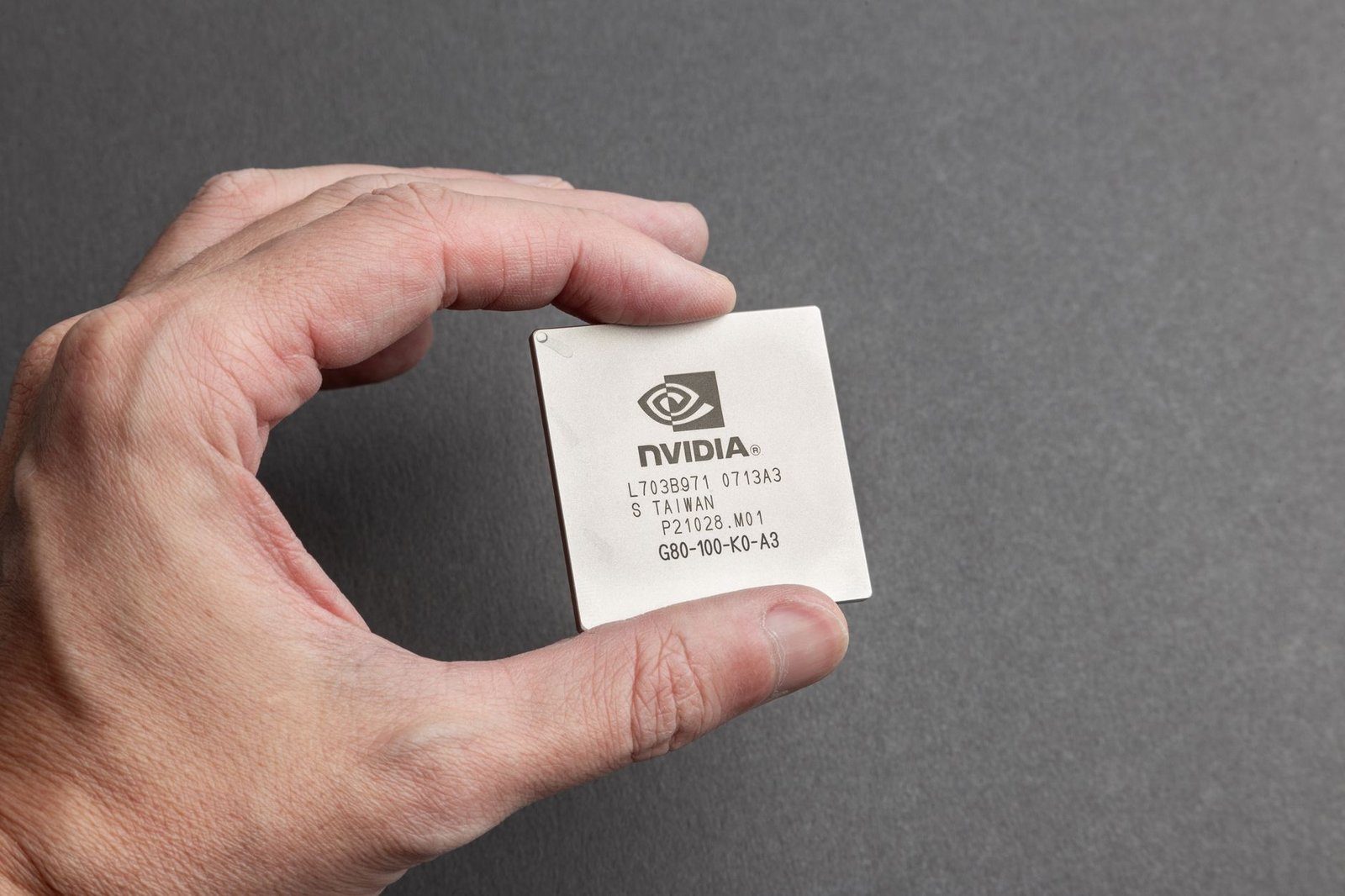
- Tech giants are developing their own chips to reduce reliance on Nvidia.
- Custom chips optimize AI performance and integrate seamlessly with specific applications.
- Companies like OpenAI, Google, and SpaceX are leading this chip revolution.
- This shift could spark unprecedented competition and innovation in AI hardware.
- The implications for AI’s future capabilities are immense and exciting.
The Rise of Custom AI Chips
Nvidia has long been the kingpin in the world of **AI chips**, which are specialized processors designed to handle the intense computations required for artificial intelligence applications. However, a tidal wave of change is coming. Major players like **OpenAI**, **Google**, **Apple**, and **SpaceX** are no longer content with sourcing their chips externally; they’re investing in custom-designed chips to meet their unique needs.
Why the Shift?
The primary driver is avoiding dependence on a single supplier, a strategy motivated by supply chain security and cost efficiency. With Nvidia controlling much of the market, relying solely on their technology can be a risky—and expensive—game. By developing **custom chips**, these companies can create processors precisely tailored to their AI models and applications, enhancing performance and potentially reducing costs.
The Jalapeño Initiative
Enter **Jalapeño**, OpenAI’s exciting new venture with Broadcom to create a bespoke chip tailored for their AI models. This move underscores the trend of tech companies coalescing around the idea of in-house innovation. Design autonomy allows power users to optimize chips for specific tasks, enhancing speed, efficiency, and ultimately, the performance of AI applications.
Understanding the Basics
To simplify, think of AI chips as the specialized kitchen appliances of the tech world. If Nvidia chips are like a general-purpose blender, a custom chip developed by OpenAI or Google is more like a high-tech espresso machine engineered for perfect coffee. While both will do the job, the custom tool can deliver peak performance in its specific domain.
Impacts on Innovation and Competition
What does this mean for the industry? As more companies start building their custom hardware, we’re likely to see a new level of **innovation**. Tailored chips not only promise to enhance existing functionalities but could also enable AI technologies we’ve yet to imagine. As companies push the boundaries of what’s possible with AI, the reliance on specialized processors means the hardware space is also forced to innovate and adapt.
Competitive Edge
The creation of their chips allows companies to differentiate themselves in the market. By leveraging proprietary hardware designed specifically for their algorithms, organizations like **SpaceX** can enhance operational efficiency, while tech giants like Google can further bolster their immense data processing capabilities. This customization is crucial as AI applications become more pervasive in everyday life, supporting everything from autonomous vehicles to advanced voice recognition systems.
Looking Forward
As we gaze into the future, the trend of custom AI chip development is likely to continue heating up. This path not only promises enhanced capabilities for individual companies but also cements the foundation for a more diverse and competitive market. With every chip iteration, the possibilities for how AI can transform industries and impact our lives will only expand. The exciting journey of understanding, leveraging, and maximizing AI’s potential starts with these companies daring to design outside the box. What will the next breakthrough in AI look like? Chances are, it’s being built from the silicon up, one innovative chip at a time.
