




Imagine going to the doctor with a nagging headache, only to find out it’s not what you suspected. This happened to a 60-year-old man in Spain whose severe symptoms hinted at brain cancer, but the truth turned out to be far stranger.
- The key symptoms included an unrelenting headache and behavior changes.
- Initial clinical examinations pointed to serious neurological issues.
- The suspected diagnosis was metastatic brain cancer.
- A closer look revealed the surprising presence of parasitic worms.
- This case highlights the complexities in medical diagnoses.
An Unexpected Journey
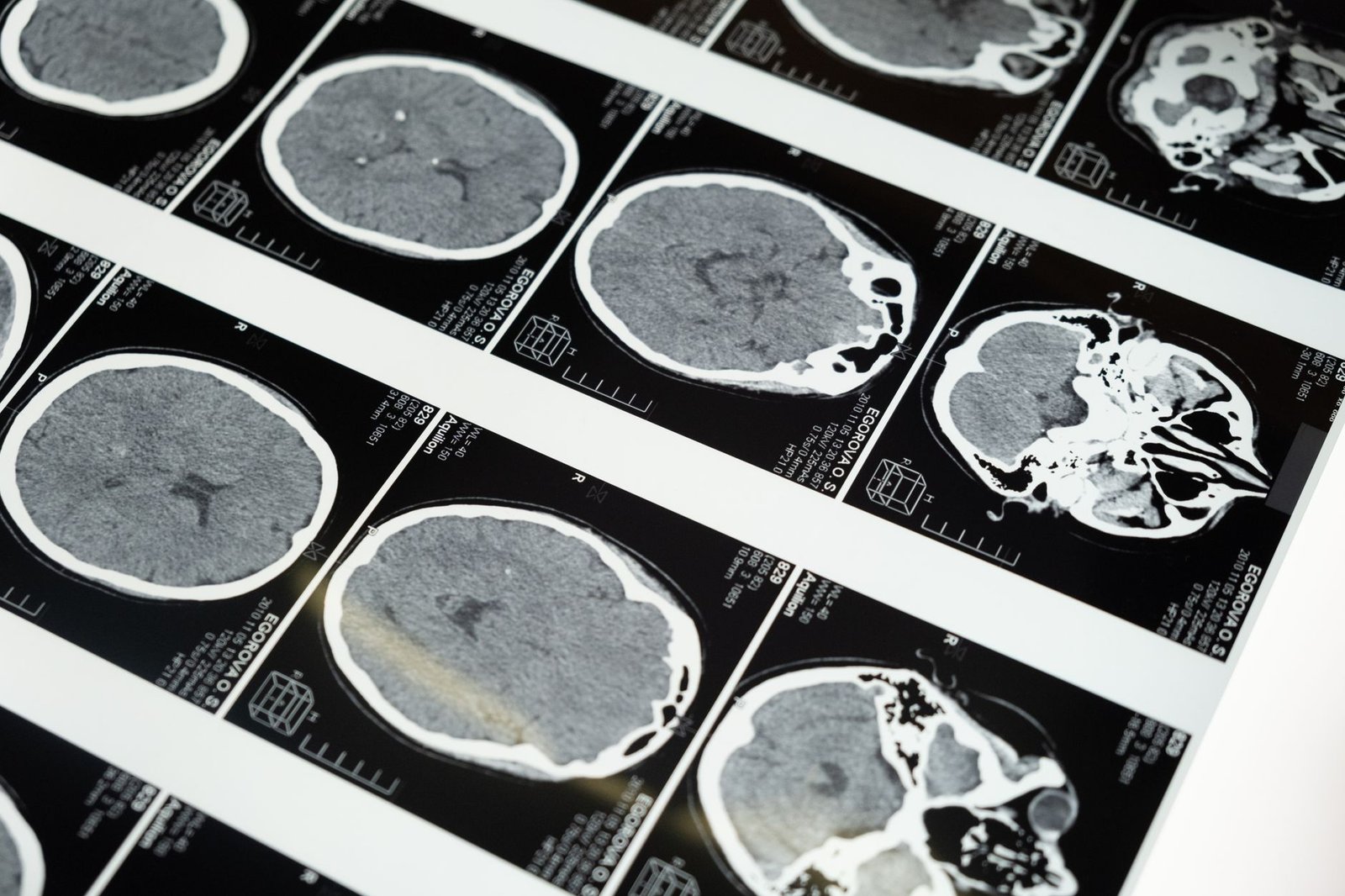
The man arrived at the clinic with a headache that wouldn’t relent, describing slight behavioral shifts. A **neurological examination** revealed a minor delay in his movements, yet no other apparent issues. The doctors turned to a **computed tomography (CT) scan**, a special X-ray test that provides more detailed images of the brain, to investigate further.
Unveiling the Mysteries Within
The CT scan unearthed multiple **lesions**, abnormal tissues likely signaling something ominous, alongside noticeable brain swelling. These findings put the doctors on high alert. They pondered several possibilities. Could it be an unresolved immune response, potentially indicative of **metastatic cancer**, where cancer cells spread from other parts of the body to the brain?
A Puzzling Clinical Picture
The situation was puzzling. The man’s **blood work** was mostly normal, barring a spike in **IgE levels**, hinting at an **allergic or autoimmune response** potentially from a parasitic infection. Despite the man’s lack of international travel, these signs couldn’t be ignored, broadening the scope of their investigation.
Cancer or Something Entirely Different?
Initially, the leading suspect was cancer due to the symptoms. But when doctors considered all factors, something clicked. They revisited his IgE elevation, a classic marker of an immune response to parasites. This clue directed them down a different path, one filled with unexpected twists.
The Reveal: Not Cancer, but Worms
The turning point of this medical enigma came with further tests confirming the presence of parasitic worms in the man’s brain, known as **neurocysticercosis**. This condition arises when tapeworm larvae accidentally lodge in brain tissue, causing lesions and potential behavioral changes.
A Real-World Analogy
Think of this situation like a house showing signs of termite damage. At first glance, one might suspect structural issues due to wear and tear. However, upon closer inspection, the problem turns out to be an infestation undermining the foundation. Here, the unwelcome guests were not metaphorical termites, but very real worms affecting the brain’s function.
The Bigger Picture: Implications for Diagnosis
This case underscores the importance of comprehensive diagnostics in medicine and the inherent complexity of dealing with unpredictable biological factors. It echoes a sentiment shared within the realm of **Artificial Intelligence (AI)**, where data must be thoroughly scrutinized to reveal accurate conclusions.
The advent of AI in healthcare could redefine diagnostic processes. AI systems, capable of analyzing vast datasets quickly and accurately, might help identify unusual yet critical symptoms like parasitic infections earlier, reducing human error and the time taken for diagnosis.
In the near future, AI could serve as a powerful ally, aiding doctors in interpreting complex test results and offering probabilistic diagnoses based on a holistic view of the patient’s condition. This transformative potential, bridging human expertise with machine precision, paves a new path towards better healthcare outcomes globally.
