




As global discussions around AI regulation continue, OpenAI has added a new chapter to its story by releasing its latest language model, GPT-5.6. This debut comes with intriguing new features and carries significant implications for the future of AI applications.
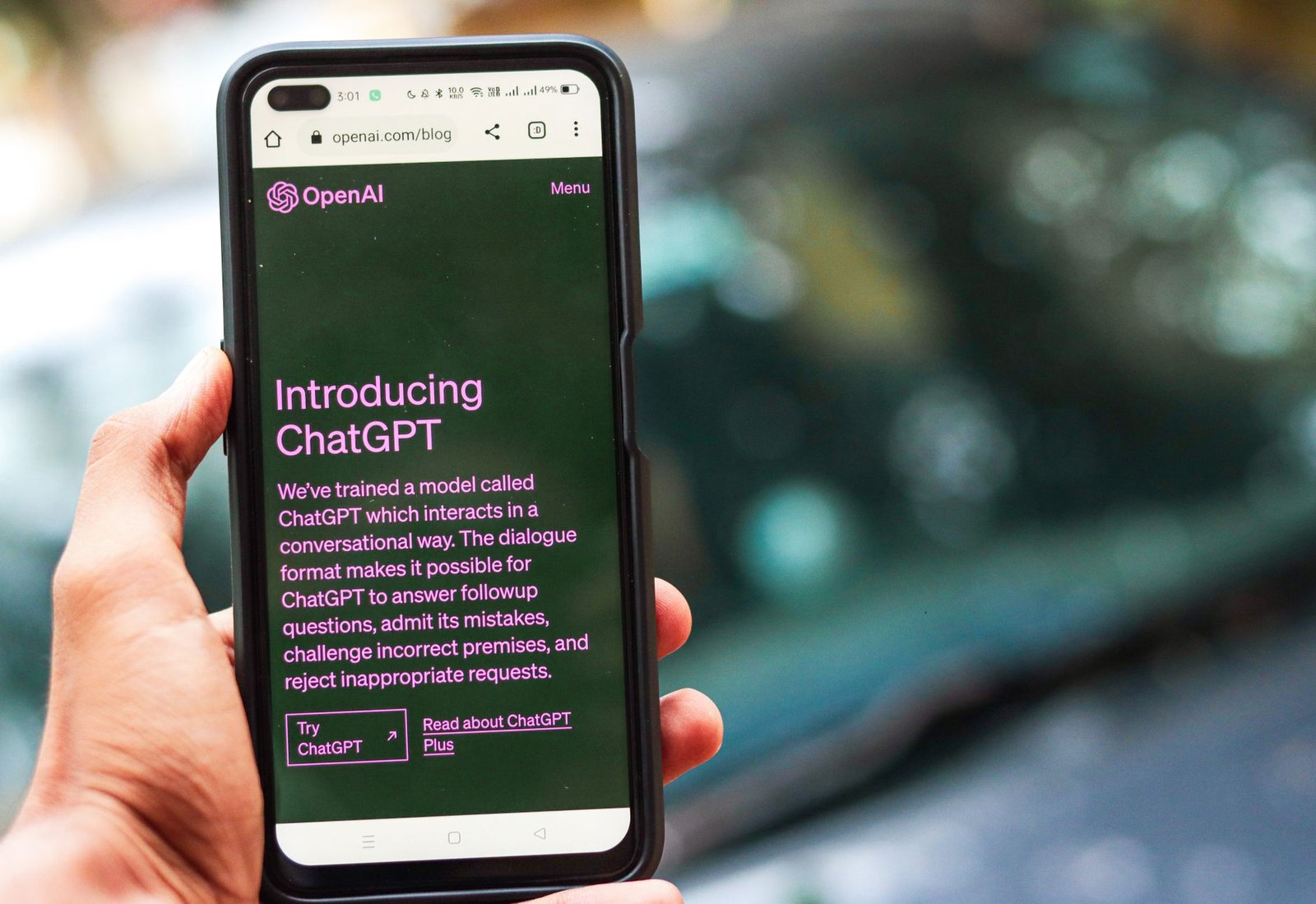
- GPT-5.6 introduces three new tiers: Sol, Terra, and Luna, each catering to different needs.
- The model excels in coding, cybersecurity, and biology, showing its versatile potential.
- Pricing varies significantly by model, with the flagship Sol offering competitive rates.
- The release comes amid heightened regulatory discussions in the United States.
- GPT-5.6 could redefine how businesses and researchers utilize AI.
Meet GPT-5.6: A Breakdown of the New Suite
OpenAI has opted for a tiered approach with GPT-5.6, offering models named Sol, Terra, and Luna. **Sol** is marketed as the flagship model, aimed at those needing advanced capabilities. It’s specifically adept at tasks requiring **high-level coding** proficiency, robust **cybersecurity** measures, and even intricacies in **biological research**.
Understanding the Models
For users needing vast computational output, **Terra** offers an appealing middle ground. It’s designed for high-volume operations without compromising performance. Finally, for more everyday applications where cost efficiency is key, **Luna** is presented as a “fast and affordable” model, suitable for routine tasks without intensive resource demands.
Why It Matters: The AI Regulatory Landscape
The timing of GPT-5.6’s release highlights its importance. It coincides with ongoing regulatory conversations in the United States, where expectations around AI’s ethical and societal impacts are becoming more stringent. OpenAI’s decision to introduce GPT-5.6 in stages suggests careful navigation of these regulatory waters.
The Price Tag Explained
OpenAI has also shaken up pricing models with Sol having a **per million token** price of $5 for input and $30 for output. This pricing strategy undercuts that of its competitor, Anthropic’s Claude Fable 5, making it an attractive option for those weighing cost versus capability. Terra and Luna present scaled-down cost structures that align with their intended uses.
The Technical Edge of GPT-5.6
One of GPT-5.6’s standout elements is its proficiency in both specialized and long-horizon tasks. When tasked with agentic AI assignments, which involve planning and executing complex actions over time, GPT-5.6 demonstrates **exceptional focus and adaptability**. This is akin to solving a multi-layered puzzle where each decision impacts the next move, a capability cherished in industries like software development and project management.
Real-World Applications
Consider a team of cybersecurity experts utilizing GPT-5.6 to anticipate and counter digital threats proactively. Just as a chess player strategically plans several moves ahead, GPT-5.6 can navigate complex threat landscapes, analyze vast datasets, and hypothesize potential vulnerabilities, all while adapting to real-time changes.
The Road Ahead: Implications for AI
As more industries increasingly rely on AI, GPT-5.6 could serve as a crucial tool for both innovation and operational efficiency. Its diverse capabilities highlight a growing trend towards more specialized AI models capable of addressing a wide array of domains. This release not only sets new standards for performance but also reflects the careful balance between innovation and responsibility in a regulated environment.
Looking forward, GPT-5.6’s introduction might catalyze further advancements in AI technology and development, encouraging other entities to innovate while keeping an eye on ethical considerations and technical excellence. As AI continues to integrate into various facets of society, such models could pave the way for more sophisticated and responsible AI solutions.
