



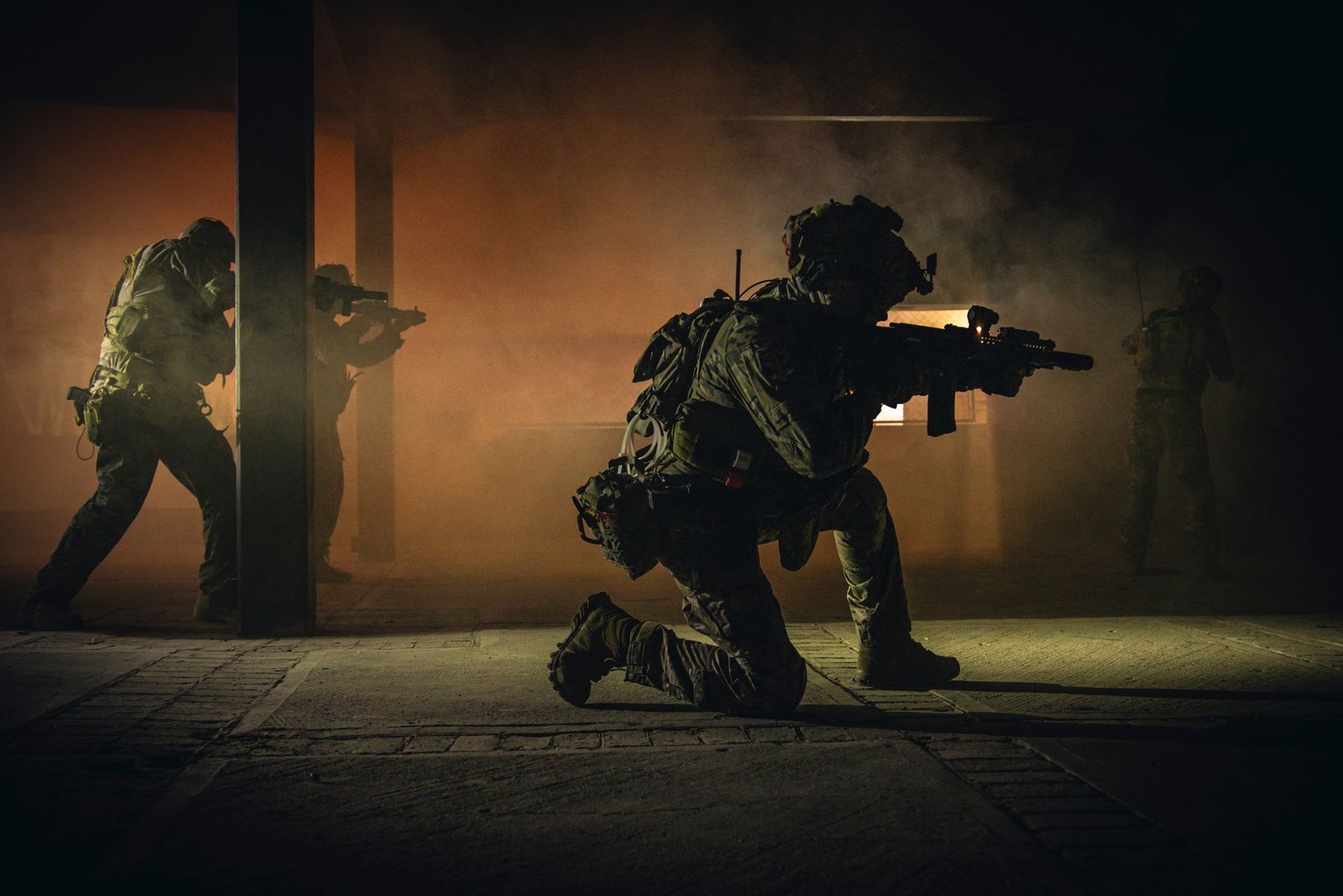
In the vast and often bewildering expanse of space, modern military scenarios play out like science fiction. Picture this: a multi-billion-dollar satellite integral to national security abruptly goes offline, and the race begins to determine why.
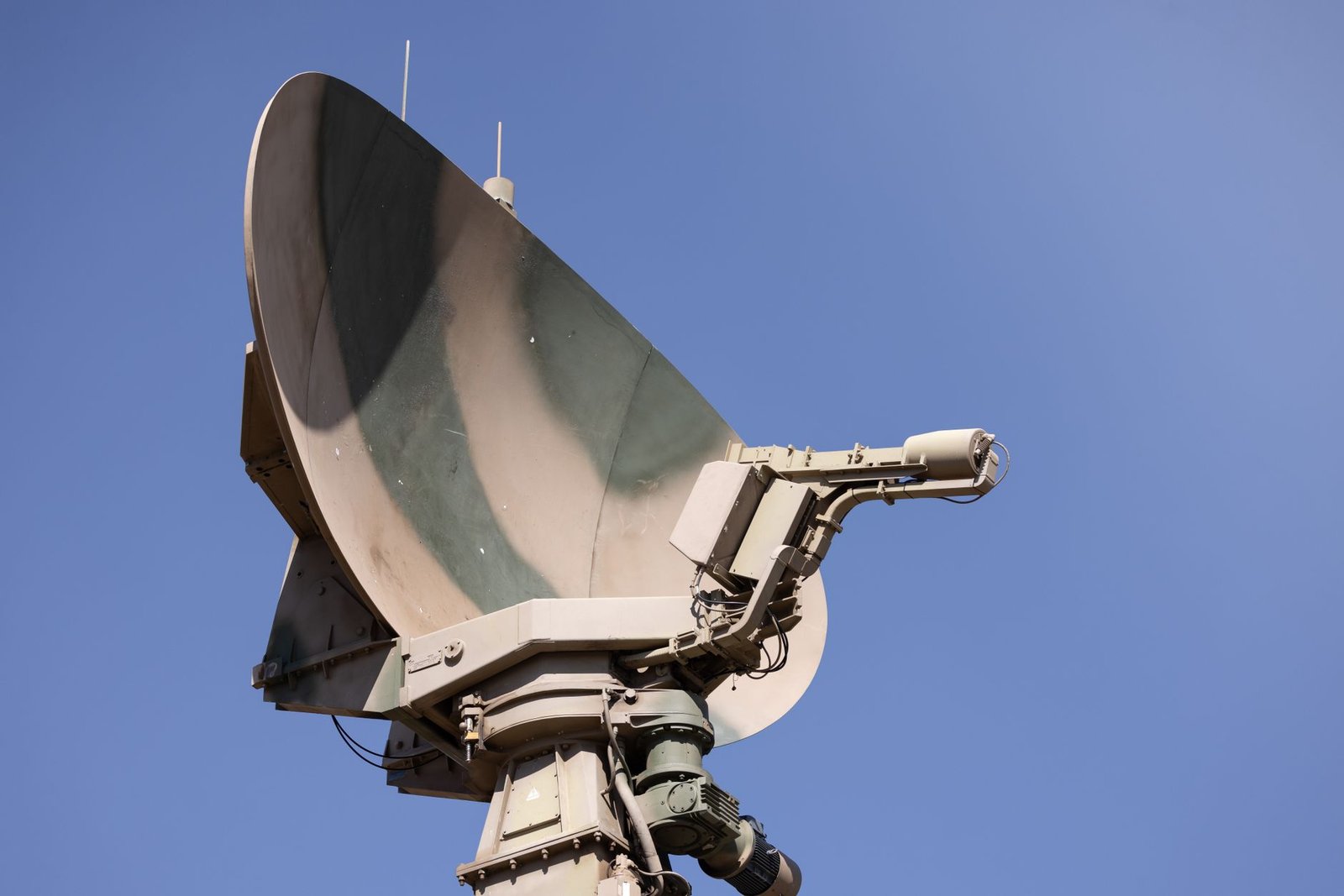
Key Takeaways
- Mysterious disruptions in space raise complex questions about intent and origin.
- Space assets like satellites are crucial for global security and daily life.
- Understanding and resolving space incidents require both technological prowess and strategic diplomacy.
- AI and machine learning can significantly enhance the detection and response to potential space threats.
- The future of space warfare demands new frameworks for peacekeeping and defense.
Understanding the Intricacies of Space Security
In a world where technology veers closer to the narrative threads of dystopian novels, the reality of **space warfare** looms large. Traditional warfare tactics fail to address the distinct challenges posed by conflicts 22,000 miles above the Earth’s surface. Here, the **Space Force’s missile-warning satellites** emerge as pivotal players. At stake is nothing less than the safety of millions, reliant on their continuous operation to provide early warnings of ballistic missile launches.
What Happens When Satellites Fail?
It’s not just the ominous unknown that threatens these celestial watchers; space is an unyielding arena where equipment failures are commonplace. This leads to compelling questions: Was the satellite incapacitated by a rival spacecraft, or did it suffer from internal **mechanical failure**? Understanding the cause is critical in shaping an appropriate response.
The Role of AI in Diagnosing Space Anomalies
**Artificial Intelligence (AI)** steps into this high-stakes scene as a potential game-changer. AI systems can sift through massive datasets quickly and efficiently, identifying patterns and anomalies that would elude human operators. For instance, if a satellite suddenly malfunctions, AI can rapidly cross-reference satellite data with environmental conditions and reported anomalies to pinpoint likely causes.
Decoding the Enigma with Machine Learning
**Machine Learning (ML)**, a subset of AI, can enhance this process further. By training algorithms on historical data from previous breakdowns and attacks, the **AI models** can predict and possibly prevent future incidents. Consider AI as an ultra-observant detective, tirelessly analyzing clues to prevent any further celestial misadventures.
Crafting Response Strategies
Once the source of the satellite’s failure is hypothesized, response strategies can be crafted. If AI identifies merely a technical glitch, ground controllers in Denver might attempt a series of remote diagnostics and recovery procedures. Conversely, a deliberate strike would necessitate strategizing on an entirely different chessboard, often veering into realms ruled by policy and international diplomacy.
Strategic Alliances and International Relations
The implications of **international space law** become acutely significant. Just as earthly diplomatic relations necessitate strategic partnerships, so too do interactions in outer space. The possibility of sabotaged satellites brings contentious issues to the forefront, requiring diplomatic channels and industrial cooperation to maintain peace.
Looking to the Stars: The Future of AI in Space Exploration
The path ahead is laden with both challenges and opportunities. As AI continues to evolve, its role in space exploration and security is expected to expand. Future advancements may give rise to an **autonomous space fleet**, operating with minimal human intervention. Such innovations could provide not only security but also reassurance in the unpredictable voids of space.
The emergence of AI in **space warfare** introduces a compelling narrative of technology meeting the final frontier. As international understanding and collaboration deepen, AI holds the potential to safeguard both our space assets and our blue planet, carving pathways to a secure and enlightened cosmic era.
