




In a bold strategic move, South Korea’s leading tech companies have pledged to invest over $550 billion to stave off what some experts call “RAMageddon.” The initiative aims to fortify South Korea’s position as a global leader in AI technology by significantly boosting memory chip production, which is crucial for powering AI applications. But how does this commitment impact the world of artificial intelligence, and why does it matter to you?
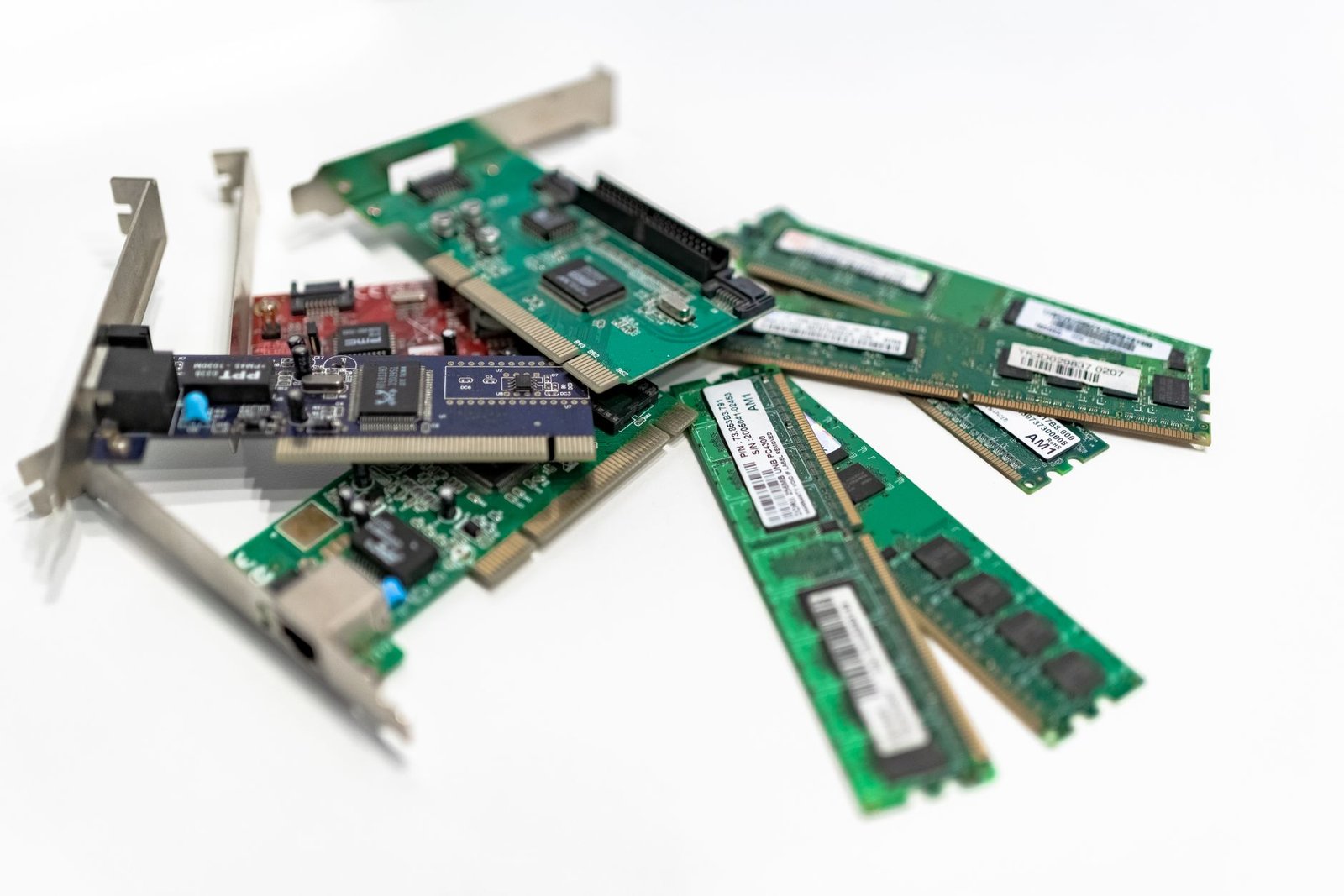
- South Korean tech giants are investing over $550 billion in memory chip production.
- This endeavor aims to strengthen South Korea’s role as a global AI powerhouse.
- Memory chips are essential for AI systems to process and store vast amounts of data.
- The initiative could ease potential shortages dubbed as “RAMageddon.”
- Increased manufacturing will support future AI innovations and applications.
Understanding the “RAMageddon” Phenomenon
**RAMageddon** refers to the feared scenario of significant memory shortages affecting the technology industry. This potential crisis underscores the critical role of memory chips, which serve as the backbone for data storage and processing. For artificial intelligence, these chips handle enormous information loads, enabling tasks like language processing, image recognition, and real-time decision-making.
The Significance of Memory Chips in AI
Memory chips, including RAM (Random Access Memory), are vital for **AI systems** because they allow for quick storage and retrieval of data. Imagine a bustling marketplace where vendors need to access various items swiftly to meet customer demands—memory chips enable AI systems to perform similarly by providing the fast access required for complex calculations.
This increased demand for robust memory solutions propels the necessity for more advanced chip fabrication facilities or “fabs.” South Korea’s substantial investment is directed at constructing these fabs, ensuring a steady supply of cutting-edge chips that drive AI applications.
The Role of South Korea in AI
South Korea’s ambitious investment highlights its strategic determination to become an **AI tech powerhouse**. The country’s tech giants, known for their prowess in consumer electronics and semiconductors, are leveraging their expertise to pave the way for future innovations in AI. By scaling up their infrastructure, they aim to mitigate the possible impacts of RAMageddon, securing a competitive edge in the global tech arena.
What This Means for AI Development
The investment ushers in the potential for new **AI advancements**. When more memory chips are available, researchers and developers can explore more sophisticated AI models that require extensive computational resources. Projects that seemed out of reach due to hardware constraints might become feasible, accelerating progress across sectors like healthcare, autonomous vehicles, and smart city initiatives.
Real-World Impact: An Analogy
Think of this scenario like upgrading a city’s transportation network from bikes to high-speed trains. The addition of memory fabs is akin to building railway lines that accommodate faster, more efficient data transit. This enhancement doesn’t just serve existing traffic but also anticipates future demands, fundamentally changing how AI can transform industries.
As AI systems become more entrenched in everyday technologies, having a reliable memory chip supply can spell the difference between stagnation and progress. Like the transition from dial-up to broadband internet, adequate chip production is key to unlocking AI’s next wave of innovation.
Glimpsing the Future of AI
Looking ahead, South Korea’s massive investment heralds a new chapter for artificial intelligence. By establishing a solid technological foundation, they ensure that memory chip shortages do not impede the momentum of AI developments. As more industries integrate AI into their core operations, these investments could prove crucial to overcoming barriers and opening avenues for groundbreaking discoveries.
In summary, the commitment to enhancing memory chip production signifies more than a mere market strategy; it’s a transformative leap that promises to redefine the trajectory of AI technologies. With nations rallying to support and advance AI innovations, the future is poised to be an exciting canvas of unprecedented opportunities and growth.
