


Imagine harnessing the power of **artificial intelligence (AI)** to streamline crisis response efforts, turning chaos into a well-orchestrated plan. Across Asia, this vision is becoming a reality, thanks to innovative collaborations that merge cutting-edge technology with humanitarian need.
Key Takeaways
- AI is revolutionizing emergency response by offering real-time data analysis.
- The collaboration between OpenAI and the Gates Foundation is pivotal in advancing these capabilities in Asia.
- Workshops and training sessions are crucial for teaching disaster teams how to utilize AI effectively.
- Real-world applications, such as predicting natural disasters, make AI a practical tool for saving lives.
- The potential for AI in humanitarian aid is vast, promising more efficient responses to future crises.
Why AI is a Game-Changer for Disaster Response
**AI technology** has the capability to analyze vast amounts of data, providing **insights** that humans might miss in the chaos of a disaster. These insights can guide decision-makers, enabling faster and more efficient responses. For instance, AI can predict future events by analyzing patterns from past data, offering insights into the likelihood of natural disasters such as typhoons or earthquakes. Such predictions allow response teams to prepare and allocate resources proactively, potentially saving countless lives.
Collaboration for Impact: OpenAI and the Gates Foundation
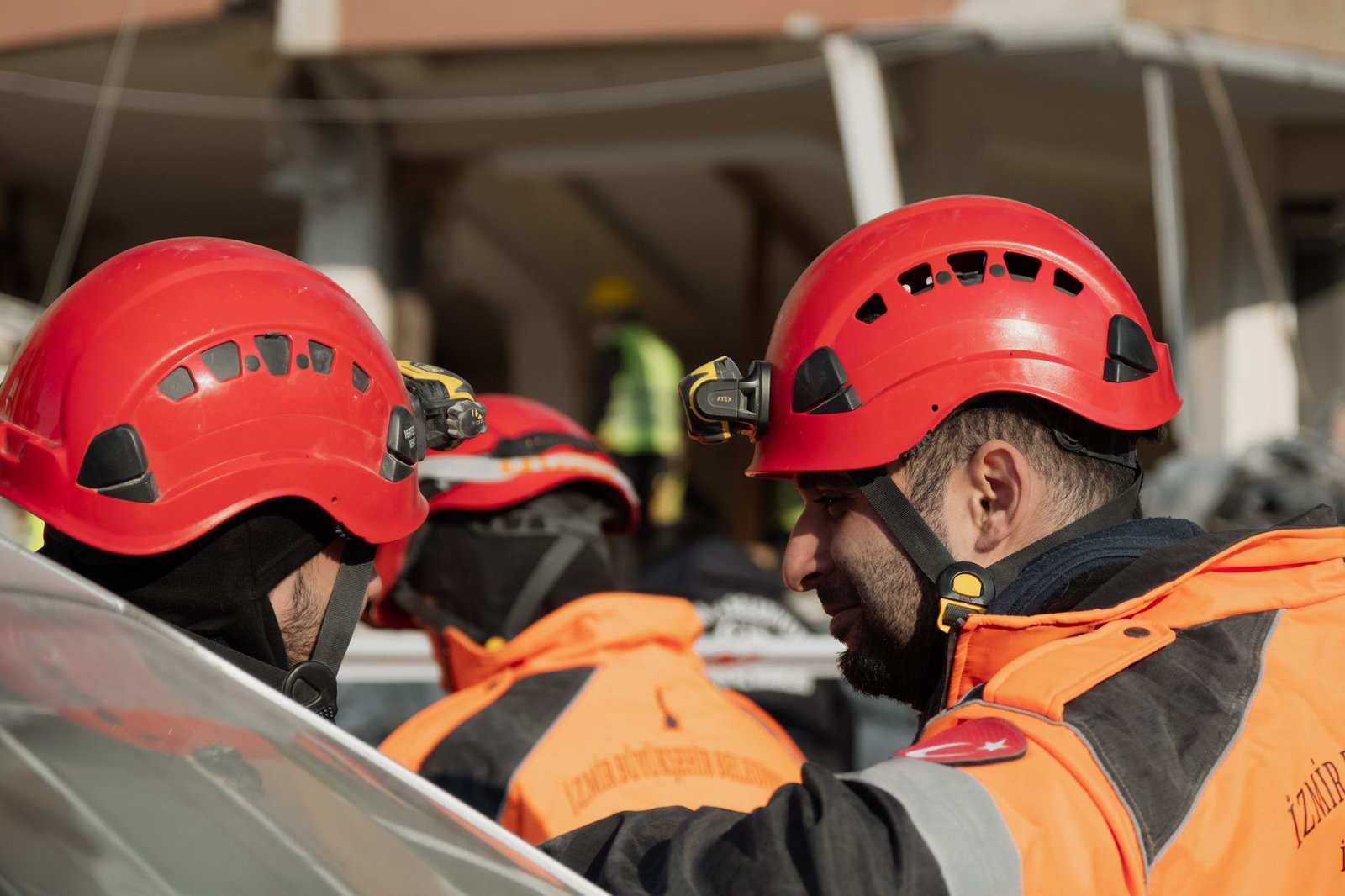
The partnership between **OpenAI** and the **Gates Foundation** reflects a significant step toward employing AI in service of humanity. By leveraging AI tools, these organizations aim to equip disaster response teams across Asia, enabling them to turn vast data into actionable plans swiftly. Workshops organized by this partnership focus on educating these teams about AI capabilities and providing hands-on experience with AI tools, thus demystifying AI for practical use in crises.
The Role of Training and Education
While AI offers exciting possibilities, the key to its successful implementation lies in **education and training**. Response teams need to understand how AI operates to trust and efficiently use the data it provides. Workshops funded by these collaborations are designed to be deeply informative yet accessible. They introduce responders to AI through simplified explanations, ensuring teams are comfortable with the technology before deploying it in life-threatening situations.
Real-World Application: Predicting Floods
Consider **flood prediction** as an example of AI’s practical application. By using AI algorithms, experts can analyze weather patterns and historical data to predict flood events accurately. This capability allows regions prone to flooding to establish early warning systems, organize evacuations, and deploy resources strategically to reduce impact. Like a factory manager using forecasts to anticipate demand and adjust production accordingly, disaster teams can use AI insights to make informed, proactive decisions.
The Future of AI in Humanitarian Efforts
The advancements in AI signal a promising future for its role in humanitarian aid. As technology evolves, so too will its ability to understand and predict complex scenarios, leading to swifter and more effective interventions. Collaborations like those between OpenAI and the Gates Foundation are setting precedents for how AI can and should be used in making the world a safer place.
The journey to fully integrate AI into disaster response is just beginning. As we continue to develop and implement these technologies, the future holds the promise of more **responsive, data-driven relief efforts** that could save countless lives and transform the landscape of disaster response worldwide.
