



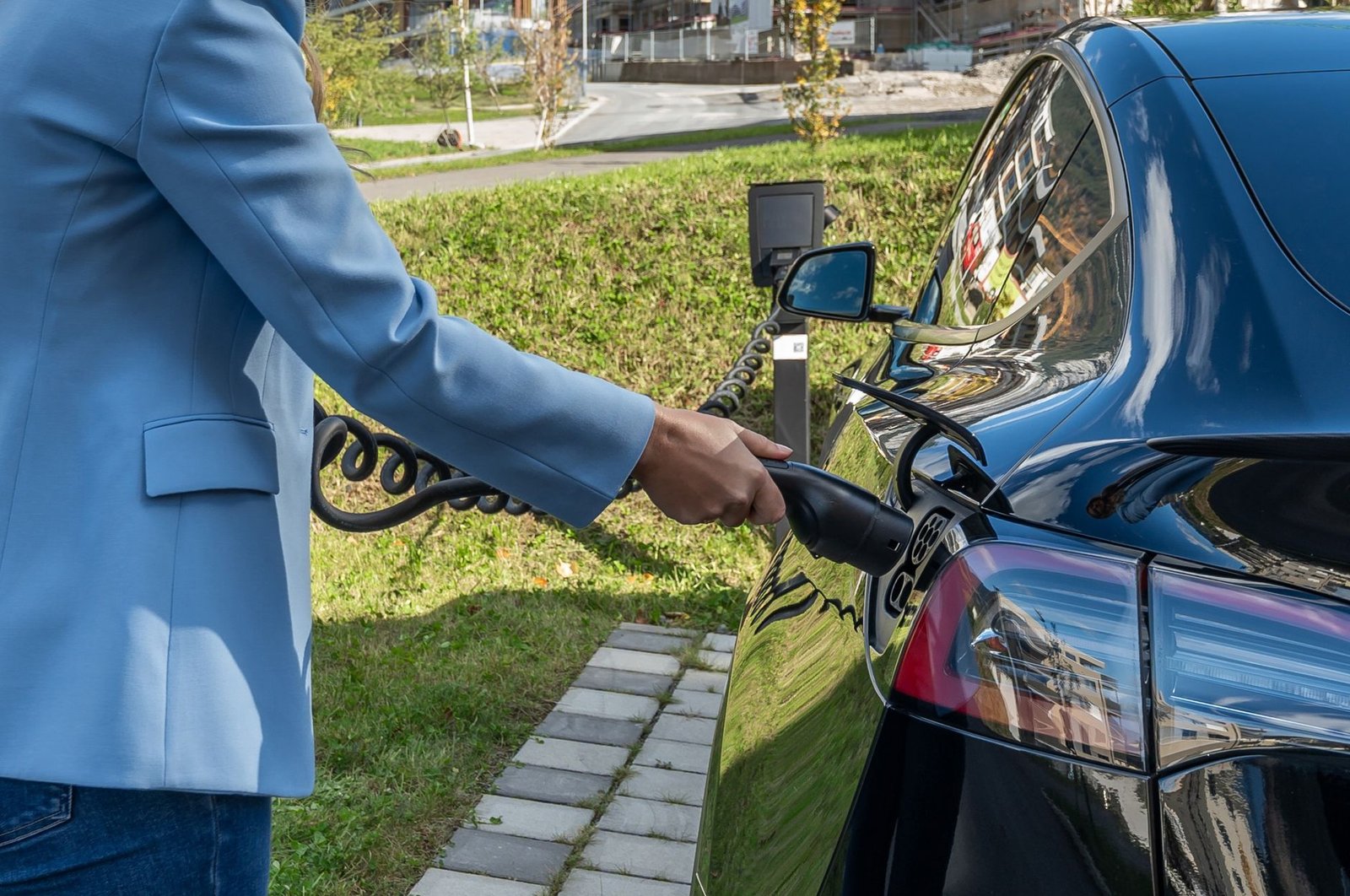
Imagine a car revolution where sleek design meets affordability, all fueled by cutting-edge battery technology perfected on the other side of the globe. The narrative of how American electric vehicles (EVs) have intertwined with Chinese innovation holds a surprising twist that might change how you think about the future of driving.
Key Takeaways
- The repeal of EV tax credits in the US influenced automakers to seek more affordable battery options.
- China has been at the forefront of developing cost-effective batteries for EVs.
- Automakers like Slate are now leaning on Chinese advancements to create low-cost EV models.
- This shift could reshape the global automotive market and influence future AI applications in EV technology.
The Shift in Battery Technology
Batteries are the heart of any electric vehicle, and their cost significantly influences the market price of EVs. **China’s innovation in battery technology** has provided an affordable and efficient option that is catching the world’s attention. For years, China has invested heavily in developing batteries that can not only store energy efficiently but also reduce production costs.
Why EV Tax Credits Matter
The United States once incentivized EV production with tax credits that mandated the use of domestically sourced materials. However, the recent **repeal of these tax credits** has shifted the strategies of automakers. Without the domestic material requirement, companies like Slate are free to explore globally optimized, cost-effective manufacturing processes.
China’s Battery Innovation: The Game Changer
China leads the way in **low-cost battery production**, focusing on using abundant materials that are less expensive than traditional options. **Lithium Iron Phosphate (LFP) batteries**, for example, have become a favorite due to their safety, longer cycle life, and affordability. China’s experience and investment in producing these batteries at scale make them an attractive option for automakers aiming to lower costs.
What This Means for American EVs
The shift to Chinese-developed batteries is changing the landscape for American EV manufacturers. Akin to buying a pre-made cake mix rather than gathering ingredients from scratch, companies can now create affordable vehicles more quickly and efficiently. The collaboration between American design and Chinese manufacturing prowess could yield a new era of **high-quality but low-cost vehicles**.
Real-World Implications and AI
Consider the automotive market as a giant chessboard. The introduction of cost-effective battery technology from China is akin to giving every player an extra queen. **AI technology** comes into play in optimizing battery performance and energy management systems within these new EVs. Smart algorithms can manage how power is used based on driving conditions and efficiency metrics, further lowering operating costs for consumers.
Looking Toward the Future
As AI continues to advance, it will play an increasingly pivotal role in improving battery life and performance, making these vehicles even more enticing to the end consumer. The fusion of AI and innovative battery technology could lead to smarter, more efficient EVs, **paving the way for sustainable transportation solutions** globally.
In conclusion, while the repeal of EV tax credits might initially seem a setback, it has created a new opportunity for collaboration and innovation. By leveraging Chinese advancements, American automakers can offer affordable EVs, making the future of transportation more inclusive and environmentally friendly. As AI increasingly intersects with automotive technology, expect to see more intelligent and accessible transportation solutions emerge, heralding an exciting new era for consumers and the planet alike.
