




Imagine being at the pinnacle of health, only to have your world turned upside down by a cancer diagnosis. This is exactly what happened to Connor Christou, a fitness enthusiast and successful entrepreneur, who decided to employ the power of AI in his fight against one of the toughest battles of his life.
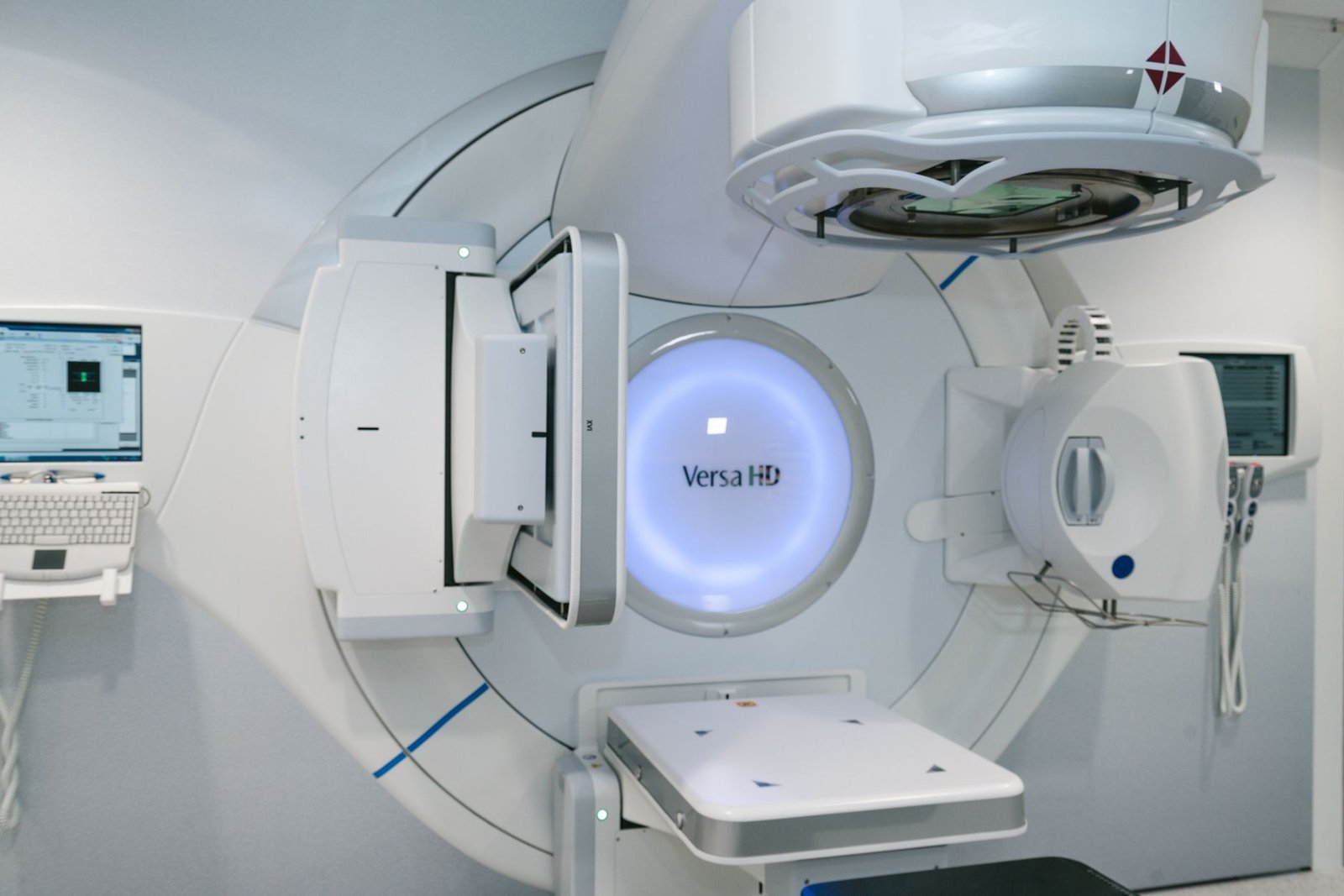
- The integration of AI into healthcare is revolutionizing personal medical management.
- AI tools can process complex, multi-dimensional data sets quickly.
- Empowering patients with AI can lead to more personalized treatment plans.
- AI is increasingly capable of identifying patterns that might elude human observers.
- The future of healthcare could be heavily influenced by AI-driven insights.
Utilizing AI in Personal Health Management
Determined to leave no stone unturned in his fight against cancer, Connor Christou fed a plethora of personal health data into Claude, an advanced AI system known for its deep learning capabilities. This data comprised blood test results, scan reports, wearable gadget outputs, and meticulously kept journal notes. The aim? To gain insights that neither Connor nor his doctors might have considered.
Breaking Down Data Analysis
AI systems like Claude are designed to process and analyze large and complex datasets. **Deep learning**, a subset of AI, mimics the human brain’s structure using layers of algorithms called neural networks to find patterns in data. By leveraging deep learning, Connor’s AI assistant could sift through his extensive medical data to identify anomalies and suggest potential areas for additional focus.
Consider the analogy of a detective: whereas a person might gather evidence piece by piece, AI can analyze huge volumes of data simultaneously, spotting connections with the precision and speed unattainable for a human alone. This is what set Claude apart in Connor’s treatment journey, allowing for pattern recognition that could influence medical decision-making.
AI-Driven Insights: The New Frontier
Unlike traditional analysis methods, AI can integrate **wearable technology outputs** with other health parameters. This melding of real-time biomarkers, such as heart rate variability from Connor’s fitness trackers, with comprehensive historical health records, painted a vivid picture of his health trends over time. Such integration empowered Connor with insights that allowed for more tailored lifestyle and treatment decisions.
An Effective Partnership
AI’s role in Connor’s journey was not to replace his healthcare team but to supplement it with an additional layer of intelligence. By identifying nuanced health patterns and proposing hypotheses, Claude effectively became a new collaborator in Connor’s health management team. These insights fostered informed discussions with his doctors, leading to a more personalized and targeted treatment approach.
Broader Implications for AI in Healthcare
Connor’s story illustrates the transformative potential of AI in personal health management. With AI applications adapting and evolving, the scope extends beyond simply analyzing past data. AI can potentially predict future health challenges, offering an unprecedented opportunity for preventive healthcare strategies.
As technology advances, the **synergy between AI and human expertise** could lead to a new era in healthcare where individuals are more engaged and empowered in their health journeys. The lessons learned from Connor’s use of AI underscore the importance of continued innovation and adaptation of AI technologies in medical fields.
Looking ahead, we stand on the verge of an extraordinary time in healthcare where AI not only aids in critical decision-making but also pushes the boundaries of what’s possible. As Connor’s experience shows, the key is not just in data collection but in unlocking actionable insights that can truly make a difference in lives touched by illness. The future of AI holds promise to redefine healthcare as we know it, ushering in an era of unparalleled personalization and efficacy.
