


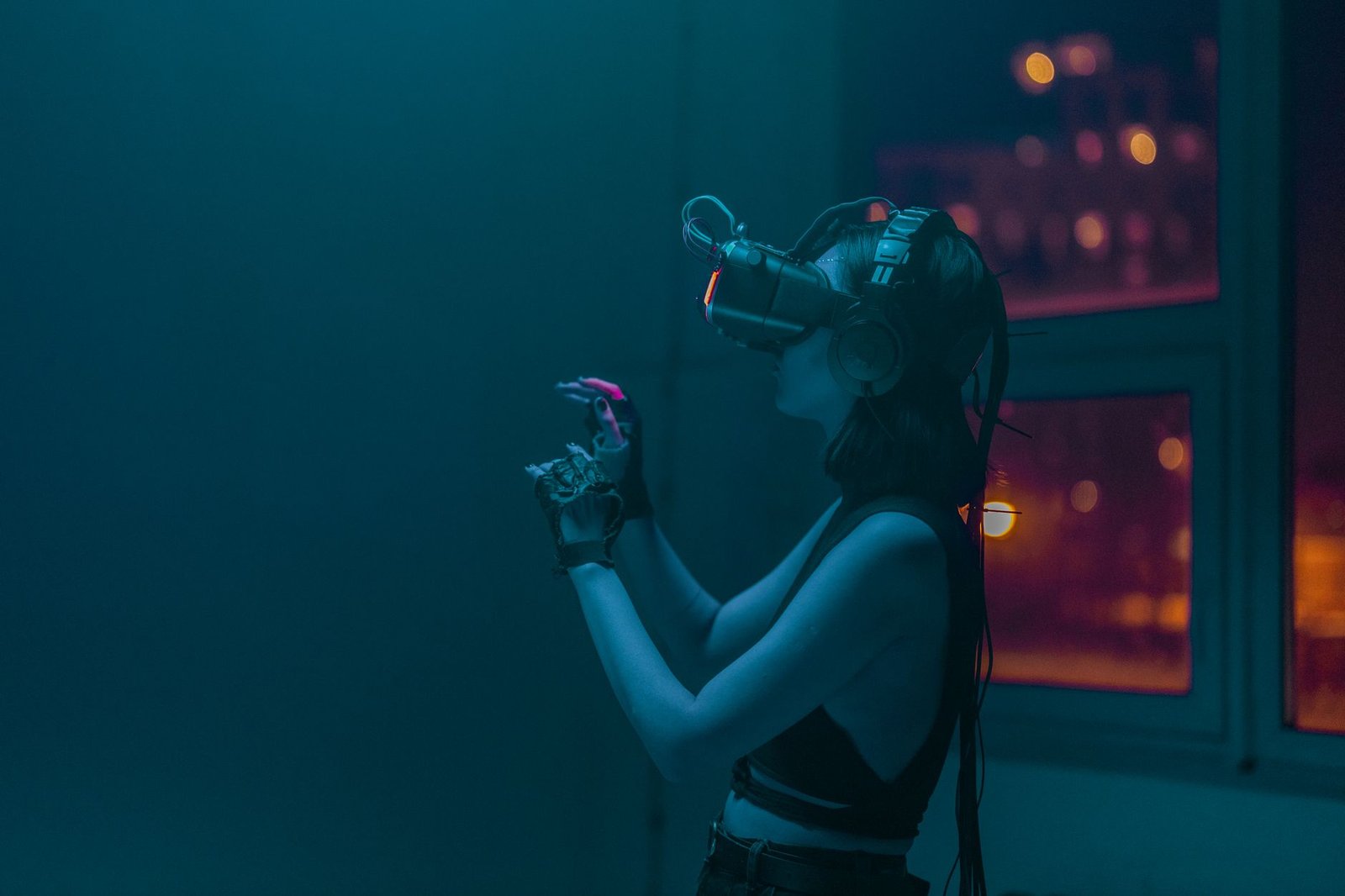
Imagine standing just a few steps away from the blazing Sun or observing a distant black hole while comfortably seated in your living room. Virtual reality (VR) is transforming our ability to explore the cosmos without ever leaving Earth.
Key Takeaways
- Virtual Reality allows for immersive experiences of places like outer space.
- Educational use of VR technology can transform learning environments.
- Innovations like Smithsonian Starstruck bring the universe closer to home.
- This VR experience is expanding to cities like Denver and Orlando.
- The future of VR in education may revolutionize how we perceive and interact with data.
A Journey Beyond the Stars
Embarking on a tour of the universe through VR offers a transformative way to learn about space. This was exemplified by the Smithsonian Starstruck: An Immersive Experience, which lets users explore the cosmos intensely and vividly for about 40 minutes. The experience, designed to make space exploration accessible to everyone, provides a front-row seat to phenomena such as the Sun’s vicinity and a giant black hole at our galaxy’s core.
Setting the Stage for Galactic Adventures
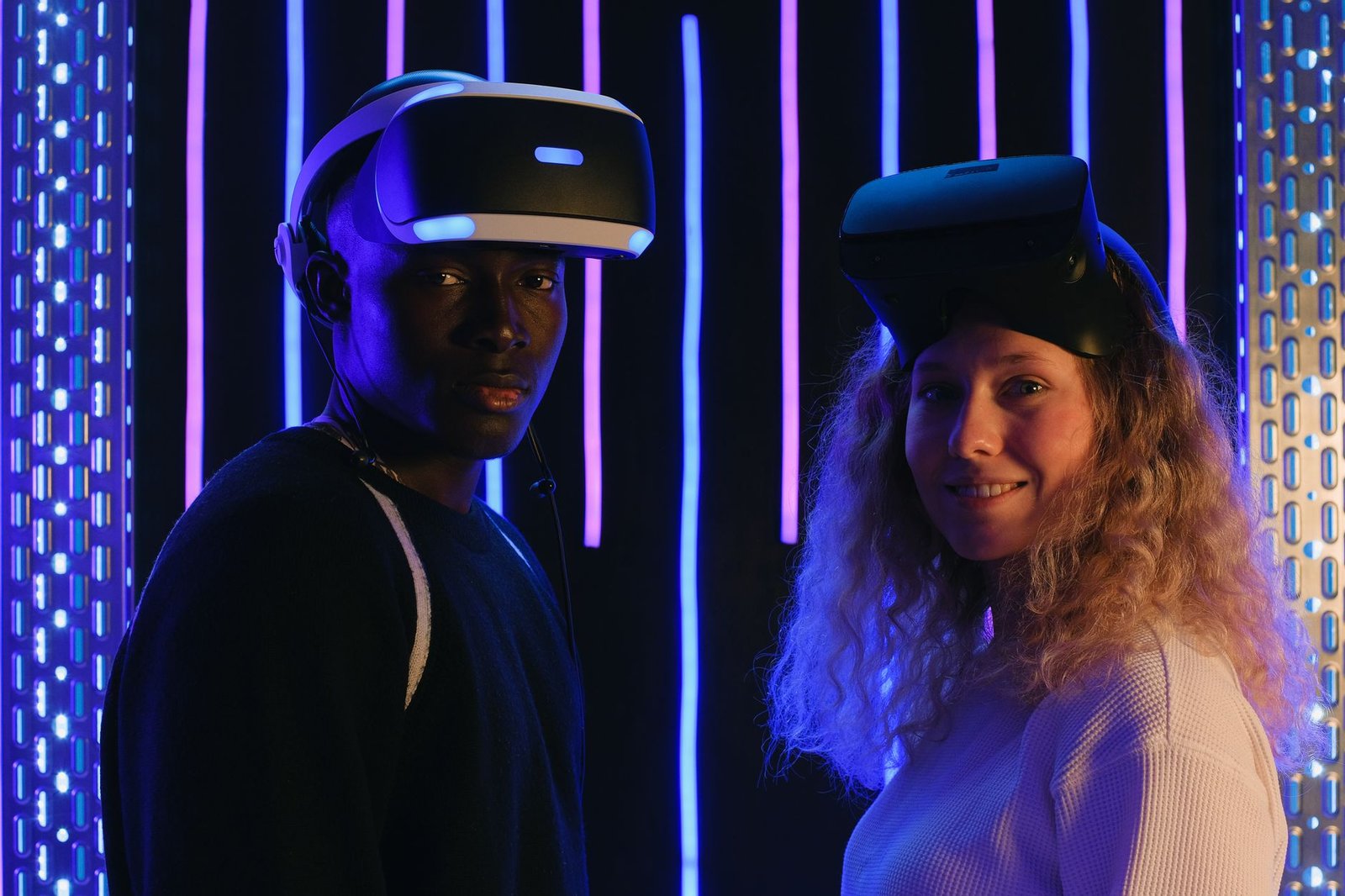
The entire process begins with a simple onboarding setup, involving personal preferences to enhance the experience. Once geared up, participants are in for an extraordinary journey. Imagine the curiosity and awe as VR headset users gasp at the incredible sights that unfold before them.
Breaking Down the Tech
The technical prowess behind VR experiences like Smithsonian Starstruck is as fascinating as the journeys they offer. **Virtual Reality** is a computer-generated simulation of a three-dimensional environment that can be interacted with in a seemingly real way. By using headsets and occasionally additional sensors, VR can trick your brain into thinking you’re in a different place, like an interstellar location or even aboard a spaceship.
Analogies to Bring It Home
Think of it as a time machine, but instead of moving through time, VR transports you through space. Like a traveler with a vivid imagination, you’re free to explore locations you’ve only read about in science fiction novels.
Beyond Borders: Expanding Horizons
The Smithsonian Starstruck’s appeal has not gone unnoticed. Plans to extend its reach to cities like Denver, Orlando, and San Antonio suggest that the future of educational VR is bright. As experiences like these gain popularity, they pave the way for innovations in educational technology, allowing more creative and interactive methods of learning.
Transforming Education with VR
The impact of VR in education could be as significant as the introduction of digital media in classrooms decades ago. Imagine biology students observing a beating human heart from inside the body or history students walking through ancient civilizations. These scenarios once seemed futuristic but are rapidly becoming possible.
A Promising Horizon
As VR technology continues to evolve, its educational applications also expand. The potential for engaging students in complex topics is tremendous. By harnessing VR’s capabilities, educators and technologists can create more immersive and impactful learning experiences.
Looking ahead, the growing integration of VR in education could redefine how knowledge is imparted, transforming passive consumption into active exploration. The stars and planets are just the beginning. With the continuous advances in AI, we stand on the brink of a new educational frontier that could forever change the way we perceive and interact with the universe around us.
