



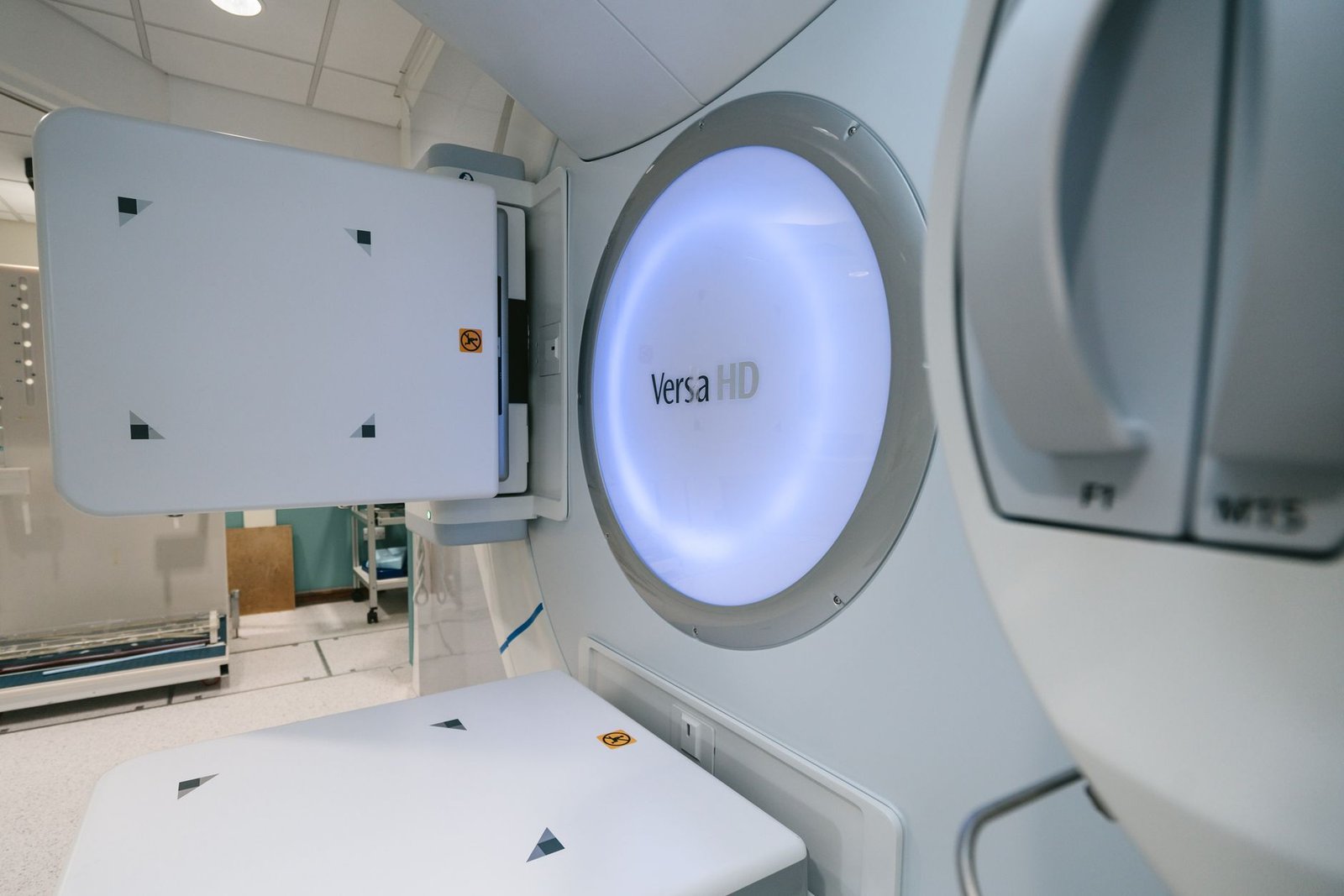
Imagine a world where medical imaging is as seamless as taking a dip in a spa. That’s the grand vision of Midjourney, an AI startup generating buzz with their novel approach to **ultrasound scanning**. Yet, while their hopes are high, much about their new system remains mysterious.
Key Takeaways
- Midjourney is developing an innovative ultrasound scanner designed to be used in spas.
- The system is touted to provide detailed, radiation-free imaging.
- There’s a lack of substantial proof that the technology reliably works as intended.
- The current design uses multiple ultrasound probes combined with standard computing hardware.
- Future implications could revolutionize how and where we access medical imaging.
Peeking Inside Midjourney’s Ambitious Project
Midjourney’s **dunk-tank ultrasound scanner** aims to disrupt traditional medical imaging by providing a low-cost and non-invasive alternative. The excitement stems from a recent behind-the-scenes video shared by Marcin Plaza, a tech enthusiast and engineer at Midjourney. Through Plaza’s lens, the scanner is humorously described as a collection of **ultrasound probes** “hacked apart and slapped on a glorified hot tub.” This vivid imagery paints a picture of innovation at its rawest stage, underscoring both the potential and the questions surrounding the technology.
What Makes This Technology Stand Out?
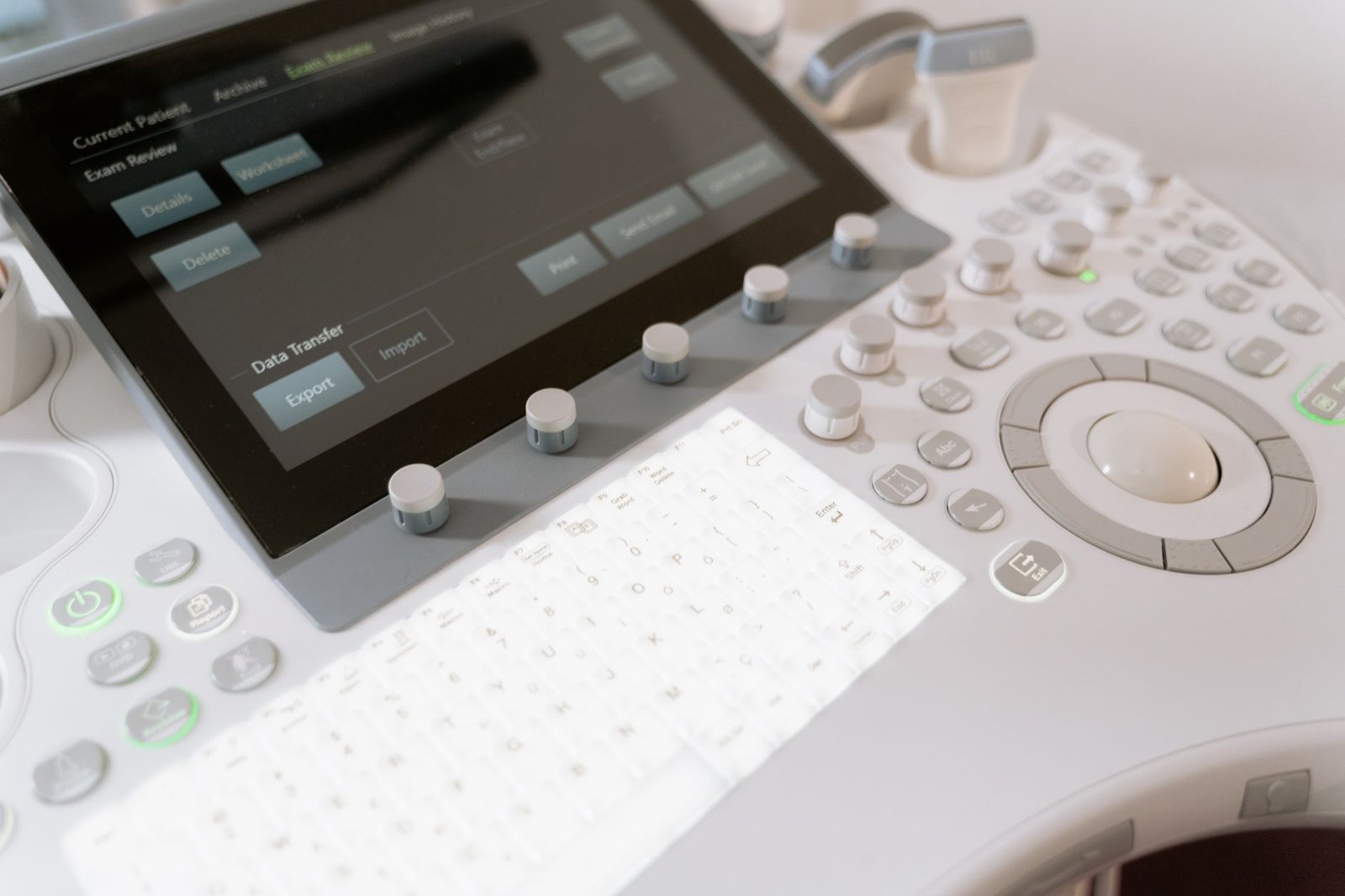
In a nutshell, Midjourney’s innovation lies in its combination of existing technologies to form something groundbreaking. **Ultrasound imaging**, typically used in hospitals, uses sound waves to create images of the body’s interior. Midjourney aims to make this available outside clinical settings, integrating it with a spa-like environment for enhanced comfort. The system’s reliance on **off-the-shelf computers** and **Raspberry Pi** technology — compact, affordable computing devices — speaks to its accessibility and cost-effectiveness. However, the assembly of these devices into a coherent and reliable imaging tool remains a topic of curiosity.
The Technical Unveiling
Challenges in Proving Efficacy
The grandeur of Midjourney’s vision faces a critical challenge: **demonstrable evidence**. Despite a public exhibition of their device, the lack of thorough validation leaves doubts regarding its operational reliability. Medical imaging demands high precision, and any innovative solution must meet stringent efficacy benchmarks to ensure safe and accurate diagnostics.
Understanding the Concept through an Analogy
Consider the development of the microwave oven. Initially, it was an unknown technology without clear consumer confidence. Gradual enhancements and proof of performance were vital before microwaves became a staple in kitchens worldwide. Similarly, Midjourney’s scanner is at a juncture where it must transcend the initial innovation to gain trust through verified results.
Looking to the Future
The implications of Midjourney’s success could be transformative. If their scanner realizes its full potential, **medical imaging** could become more accessible than ever before, expanding to non-traditional settings like spas. Such a development would democratize healthcare, making **ultrasound technology** universally available and fostering preventive care by offering routine access to diagnostic imaging.
This narrative, rich with potential yet veiled in uncertainty, emphasizes the dynamic between **innovation and evidence**. As the world watches, perhaps the biggest narrative unraveling is not just about Midjourney’s scanner but the broader horizon of accessible, AI-driven healthcare solutions.
