



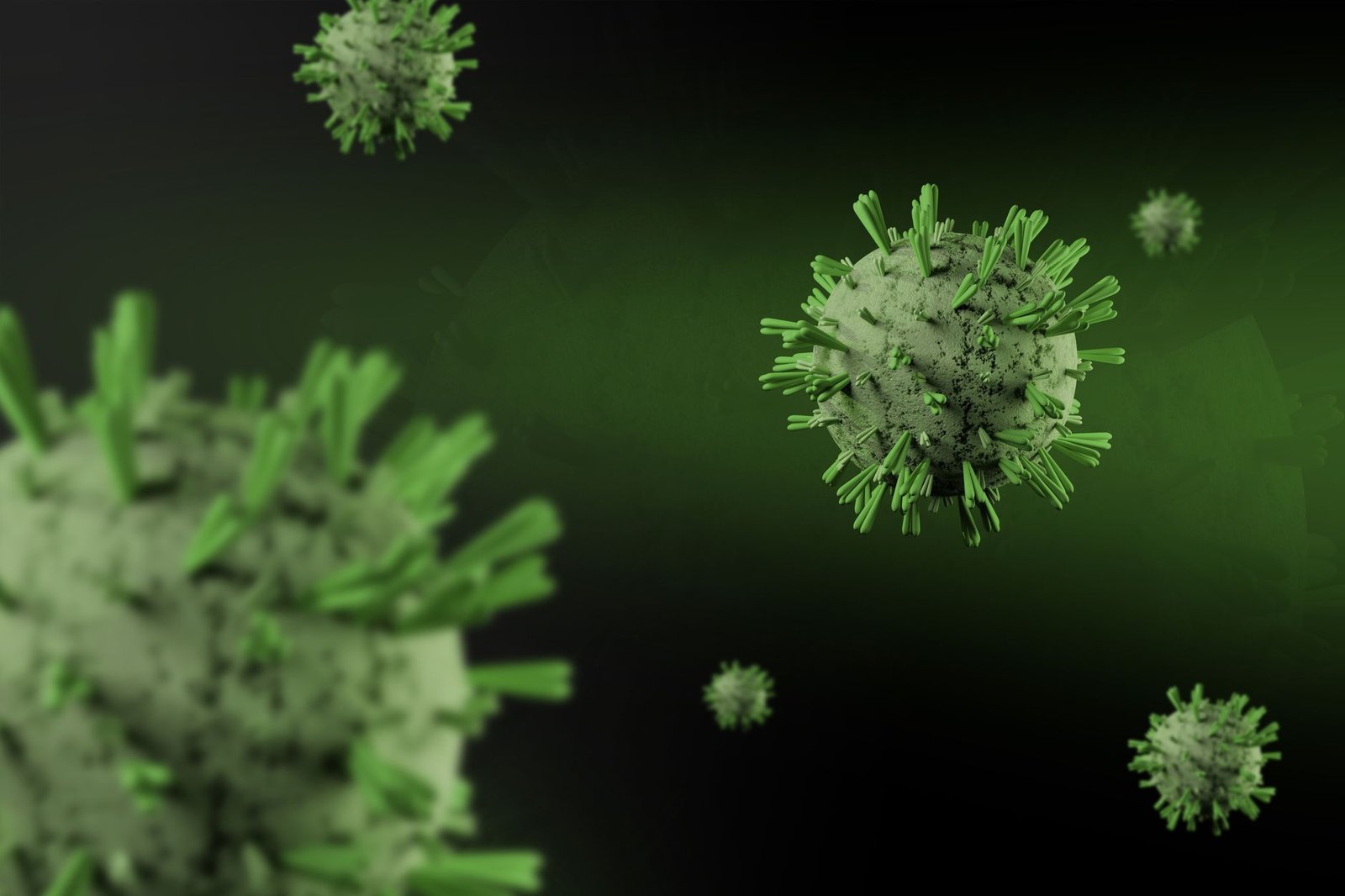
Imagine discovering a new microscopic threat lurking among us, indistinguishable at first glance, yet capable of unleashing a global health crisis. Scientists constantly live this reality, identifying new viruses and evaluating their potential risks. But not every virus is a threat to humanity, so how do we tell which one could lead to the next pandemic?

- Scientists discover new viruses yearly, but not all are threats to humans.
- RNA viruses pose significant pandemic potential due to their rapid mutation rate.
- Most viruses, known as zoonotic, typically spread from animals to humans.
- Understanding viruses’ potential to transmit between humans is crucial for pandemic prediction.
- Early detection and study of new viruses are key to preventing future pandemics.
Unearthing New Viral Threats
Every year, researchers uncover a handful of viruses previously unknown to humankind. Although many fade into obscurity, some, like HIV-1 and SARS-CoV-2, have reshaped our world dramatically. These viruses led to the devastating AIDS and COVID-19 pandemics, respectively, serving as stark reminders that new viral threats can emerge with dire consequences.
The Role of RNA Viruses
Among the various viral species, those with RNA genomes are particularly notorious. Unlike DNA viruses, RNA viruses are highly adaptable, mutating rapidly and sometimes gaining the ability to infect humans. Thousands of these viruses exist, yet only 239 are known to infect humans. The real challenge? Predicting which could become pandemic-level threats.
Zoonotic Viruses: Crossing the Species Barrier
The majority of viruses on watchlists, known as zoonotic viruses, originate in animals but do not typically spread between humans. Rabies, for instance, is a familiar yet non-contagious threat under normal circumstances. Although there is a constant fear that such viruses could evolve to spread between humans, history has seen no RNA virus leap to human-to-human transmission.
Understanding Human Transmission
The greater danger lies in viruses that already spread among humans. This capability can intensify, as evidenced by SARS-CoV-2, which adapted to become more transmissible through successive variants. Historically, viruses causing measles, mumps, and colds have all evolved from zoonotic origins, emphasizing the need for vigilance.
Limited Outbreaks: A Quiet Alarm
Some viruses can spread between humans but are currently limited to localized outbreaks due to low R numbers—a measure of transmissibility. This pattern characterized the Zaire ebolavirus until it unexpectedly spread across West Africa in 2014, illustrating how a virus confined to remote areas can escalate once it reaches densely populated regions.
Predicting the Next Pandemic
Though only a small number of viruses have consistently demanded attention, their patterns provide crucial insights into public health threats. Situations involving viruses like Chikungunya, Zika, and mpox emphasize the importance of a proactive approach.
Early Detection: A Key to Prevention
Spotting and understanding emerging viruses before they trigger widespread outbreaks is vital. COVID-19 provided a lesson in urgency: by the time the virus was detected, it had already integrated itself into societies worldwide. Future preparedness hinges on shortening this window, potentially saving countless lives and preventing economic fallout.
As technology and artificial intelligence continue to advance, our ability to predict and mitigate viral threats may soon reach unprecedented levels. AI systems could analyze vast datasets, identify patterns, and offer predictions faster than ever before, reshaping our response to emerging viruses. The future holds promise, but it demands foresight and adaptation.
