



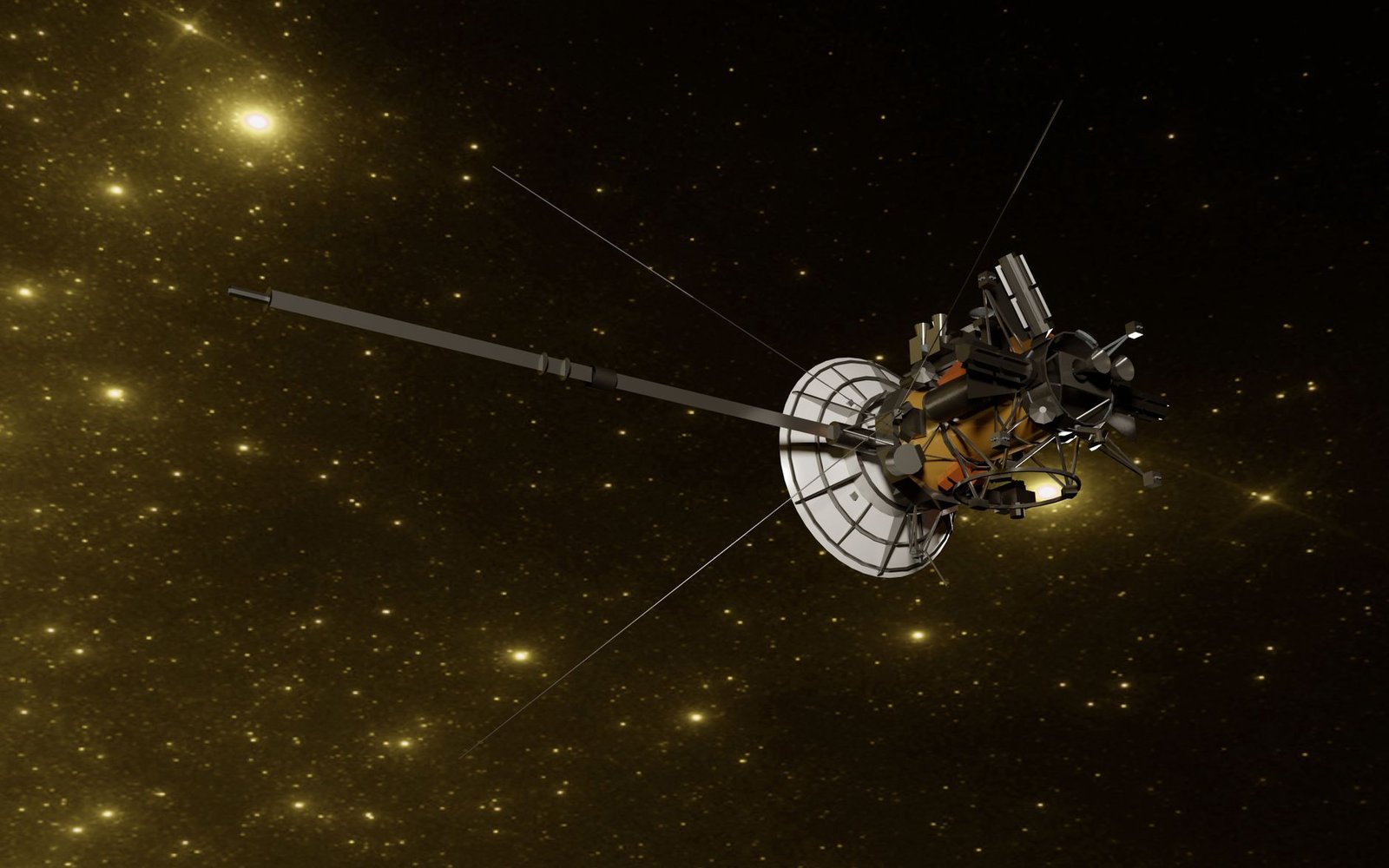
In an extraordinary milestone for space exploration, China’s Tianwen-2 probe has made its way to an enigmatic space object orbiting alongside Earth. Here’s why this gathering of cosmic data holds more significance than just space trivia.
Key Takeaways
- Tianwen-2 has successfully reached Earth’s quasi-moon, the asteroid Kamo’oalewa.
- This mission aims to provide insights into the origins of these mysterious celestial objects.
- Data collected will enhance our understanding of both the solar system and AI-driven space missions.
- Real-world application: AI could use this data to automate future space exploration efforts.
- This mission sets the stage for international collaborations in space technology innovations.
The Journey to Earth’s Quasi-Moon
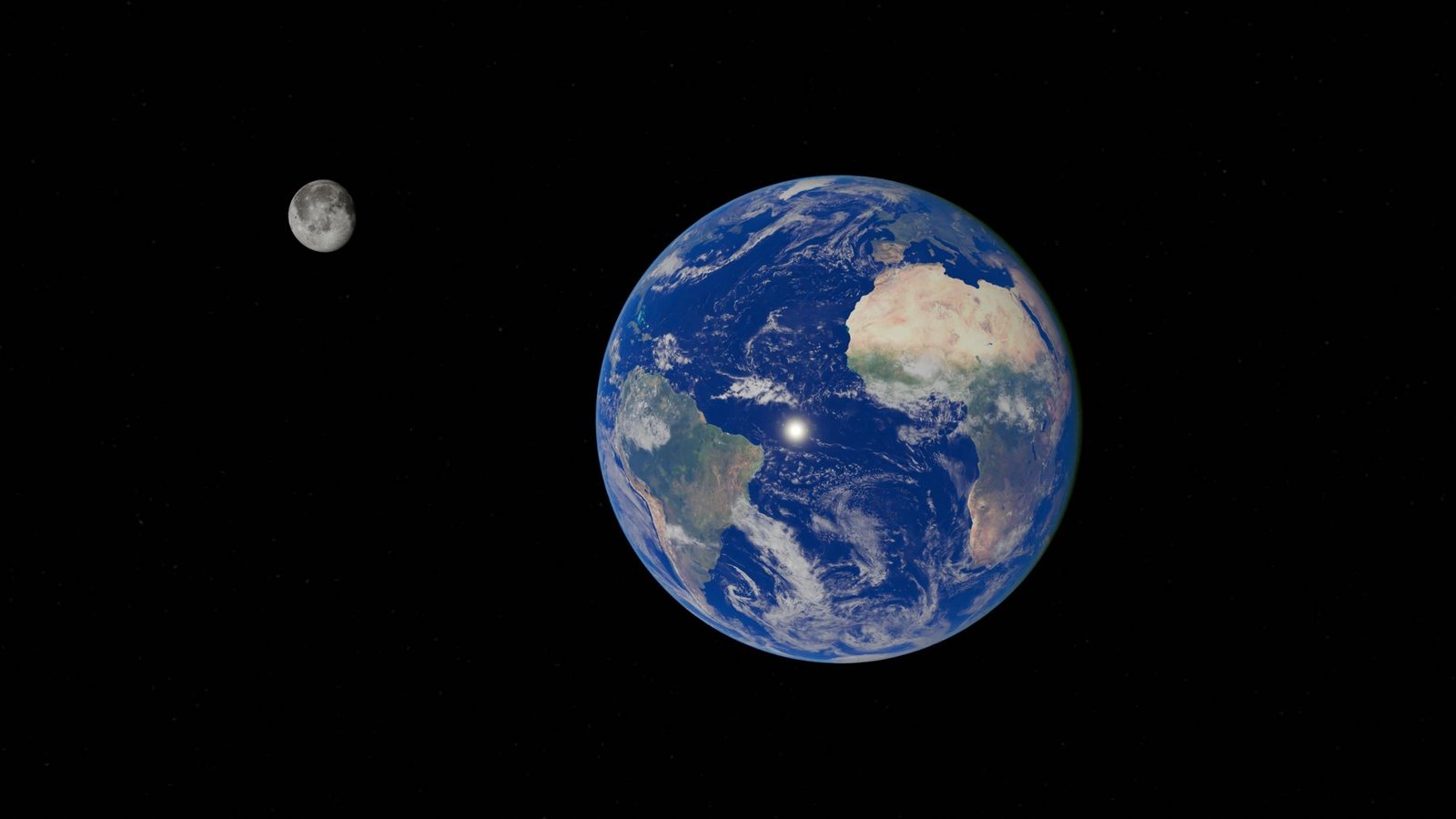
China’s Tianwen-2 space probe has captured the world’s attention by rendezvousing with a peculiar cosmic neighbor, the asteroid **Kamo’oalewa**. But what makes this dusty rock so special? Kamo’oalewa is classified as a **quasi-moon**, a rare space object that orbits both Earth and the Sun, following a horseshoe-shaped path. This captivating rendezvous stands as a testament to China’s growing prowess in deep space exploration.
What is Kamo’oalewa?
The unique nature of Kamo’oalewa makes it an intriguing subject for scientific study. Unlike standard moons, this quasi-moon never fully commits to Earth’s orbit, which raises questions about its origin. Is it a fragment from our Moon, a piece of an asteroid belt, or perhaps even a captured comet? Landing on it and examining its surface will provide insights into its mysterious past.
AI at the Heart of Space Exploration
The success of Tianwen-2 isn’t solely a victory for space travel; it’s also a leap forward in the field of **artificial intelligence**. AI-driven technologies have been pivotal in navigating this complex mission. From autonomous course corrections to real-time data analysis, AI is enabling precision and efficiency in ways that were previously unimaginable.
How AI Makes a Difference
AI algorithms play a crucial role in everything from trajectory planning to hazard avoidance. Imagine an endless sea of cosmic bodies; the Tianwen-2 is navigating through complex data points much like a driver’s AI-powered navigation system reroutes around unexpected traffic jams. The probe’s ability to adapt on-the-fly ensures mission success, showcasing how artificial intelligence can manage intricate tasks far removed from our home planet.
The Next Steps: Landing and Sample Collection
As Tianwen-2 prepares for the next phase, its mission will shift focus to **landing on Kamo’oalewa’s surface**. Achieving this goal will require seamless coordination between AI and robotics. The probe aims to collect samples from the asteroid—a delicate task akin to threading a needle on a moving train.
Why Sample Collection Matters
Collecting samples from Kamo’oalewa will offer an unprecedented window into the early solar system’s history. The materials returned could hold clues about the building blocks of planets and possibly the genesis of life itself. Think of it like forensic scientists gathering DNA evidence—but on a galactic scale. The implications could stretch beyond academic fascination, informing AI models that simulate planetary formations and ontogenesis in space sciences.
Implications for Future AI Developments
The implications of this mission extend far beyond planetary studies. By integrating AI into space exploration, researchers can design more **autonomous space missions**, allowing probes to make decisions independently, adapt to unforeseen conditions, and complete complex tasks without direct human intervention. This self-reliance could make future missions more resilient and less costly while opening doors for exploration of more distant worlds.
As we look to the future, such advancements not only highlight the growing collaboration between AI and space technology but also hint at innovations that could redefine multiple sectors here on Earth. From enhancing autonomous vehicles to refining complex simulations in climate science, the ripple effects of Tianwen-2’s findings promise to catalyze a new era of technological symbiosis.
