


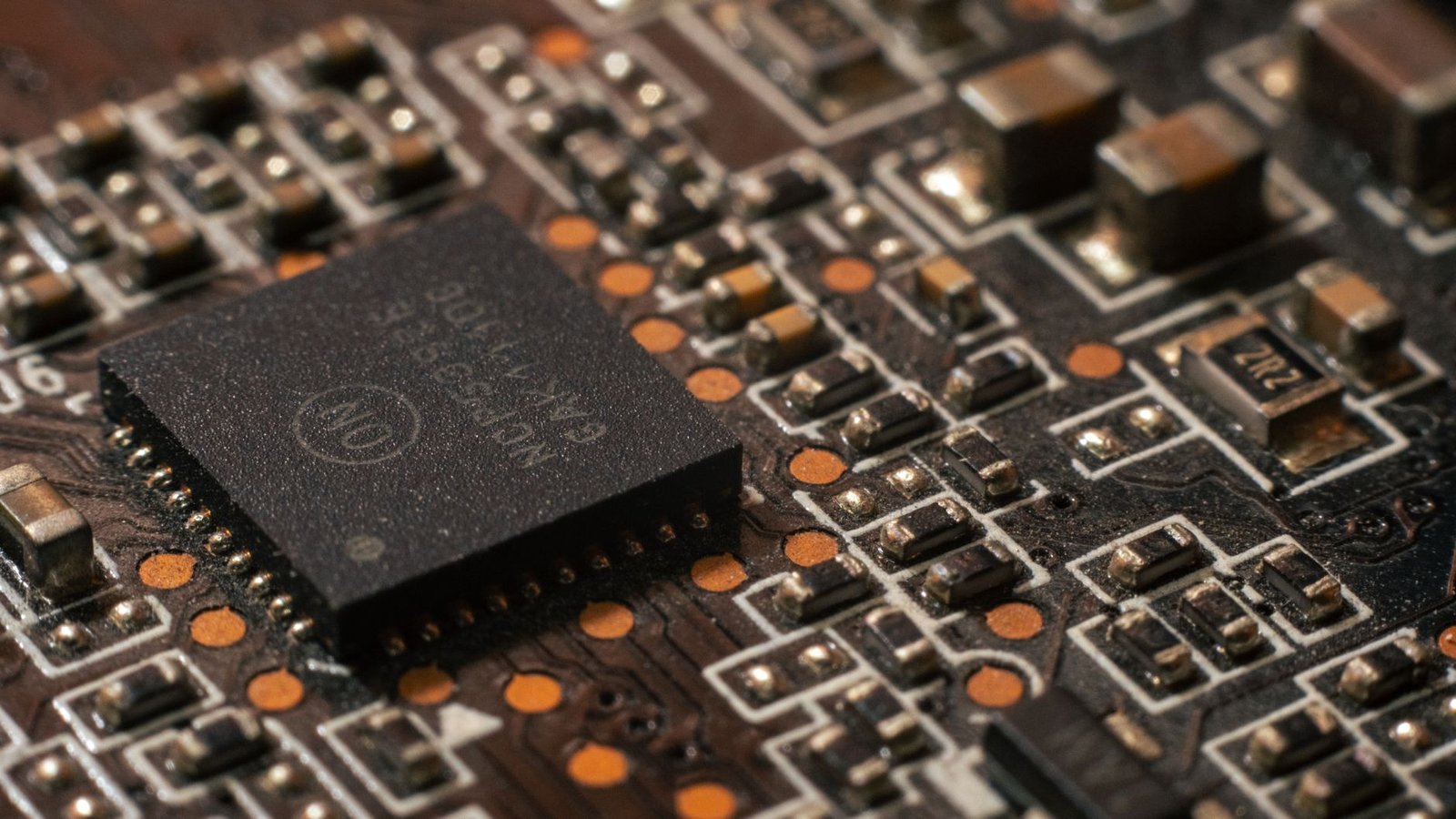
In a bold stride towards technological independence, a Chinese startup is shaking up the AI landscape. This ambitious move could redefine the global semiconductor scene as it plans to dive into chip production. What does this mean for AI enthusiasts and the tech community at large?
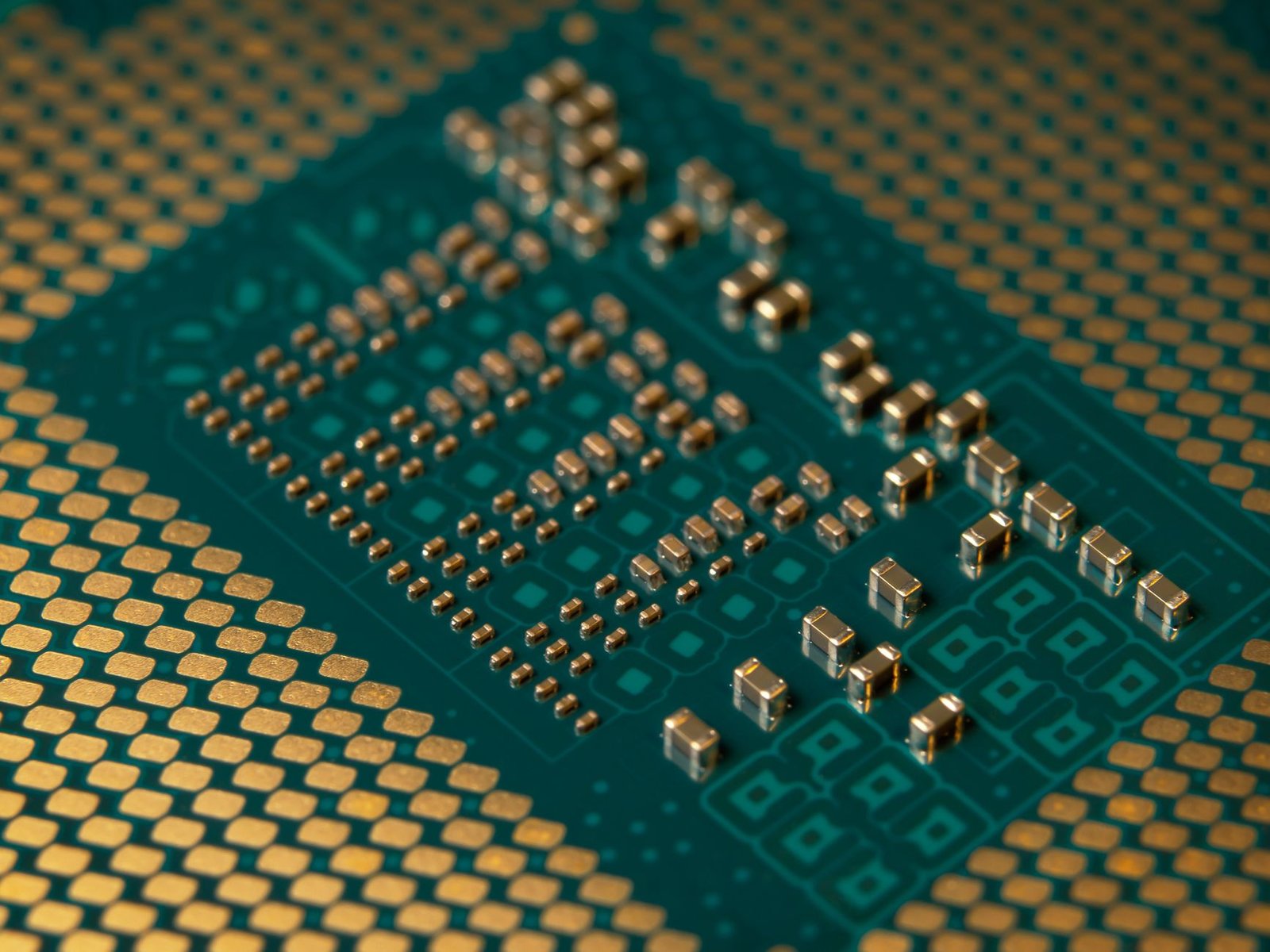
- Chinese startup DeepSeek aims to manufacture its own chips amid US export restrictions.
- DeepSeek’s current focus is on developing large language models similar to OpenAI’s.
- This new venture involves partnerships with hardware experts and hiring skilled engineers.
- The development reflects growing tensions in the global tech industry.
- Emerging chips could lead to significant advancements in AI capabilities.
Why is DeepSeek Venturing into Silicon Manufacturing?
DeepSeek, a rising star in the Chinese AI sector, is recognized for its competitive **large language models**—sophisticated AI systems designed to understand and generate human language. Up till now, DeepSeek has relied on externally sourced chips, primarily from American tech companies, to power its AI innovations. However, recent **US export controls** have prompted the company to reconsider its strategy and pursue a self-sufficient path by creating its own silicon chips.
Understanding the Export Control Challenge
Export controls are regulatory measures restricting the sale of certain technologies and products to specific countries. In the tech world, this means companies like DeepSeek face hurdles in acquiring cutting-edge components from US suppliers. By venturing into chip manufacturing, DeepSeek aims to bypass these constraints and fortify its technological arsenal.
The Strategic Roadmap: From Concept to Reality
DeepSeek’s journey into silicon isn’t just a spontaneous leap; it’s a calculated progression sculpted over the past year. According to insider sources, the company has been busily forging alliances with key players in the hardware domain while ramping up its engineering workforce. These partnerships signify not just a move into manufacturing but a broader collaboration aimed at crafting tailor-made chips that cater specifically to AI applications.
The Role of Engineering Talent
Success in chip development hinges heavily on procuring and nurturing the right talent. DeepSeek’s concerted effort in **hiring engineers** isn’t just about staffing numbers but about bringing together a team capable of pushing the boundaries of current technology. This focus on talent acquisition underscores the company’s long-term commitment to innovation in AI infrastructure.
A New Frontier for AI: The Impact of Custom Silicon
Imagine a smartphone customized to your every need—specifically designed hardware that optimizes your favorite apps’ performance. Similarly, DeepSeek’s custom chips could streamline AI processes, making them faster and more efficient by being purpose-built for their language models. This **bespoke approach** offers potential breakthroughs in AI speed and performance, much like how high-octane fuel powers performance cars more efficiently than standard-grade petrol.
Shaping Future AI Capabilities
With tailor-made chips, AI systems can handle complex computations more efficiently, potentially leading to more realistic and responsive AI applications. This custom silicon could enhance various sectors, from **natural language processing** to real-time **decision-making systems** in autonomous technology, leading to more advanced, practical AI implementation.
Reflections and Future Implications
DeepSeek’s ambitious entry into chip manufacturing presents a fascinating glimpse into the future where AI development and semiconductor production are closely intertwined. As geopolitical tensions continue to cast shadows over global tech alliances, initiatives like DeepSeek’s underscore a shift toward self-reliance and regional innovation hubs.
Looking ahead, the ramifications of DeepSeek’s pursuit of chip innovation are enormous. This move could not only diminish barriers in AI advancement but also inspire other tech entities to explore similar paths to independence. Such developments could usher in a new era where AI advancement is limited less by political climates and more by the innovative capacity of these inexperienced yet ambitious challengers.
