

Imagine teaching a robot not just to learn a single task, but to adapt to countless new situations. This is the revolutionary promise of the **Procgen Benchmark**—a paradigm shift in how we train AI through simulation, offering the tools to create genuinely adaptable artificial intelligence.

Key Takeaways
- Procgen Benchmark introduces procedural generation to test AI adaptability.
- It comprises 16 environments designed to assess **reinforcement learning** agents.
- This methodology emphasizes learning generalized skills over memorizing tasks.
- Promotes developing AI that can handle real-world variability and unpredictability.
- Accelerates research in creating versatile AI systems capable of shifting paradigms.
Understanding Procgen Benchmark
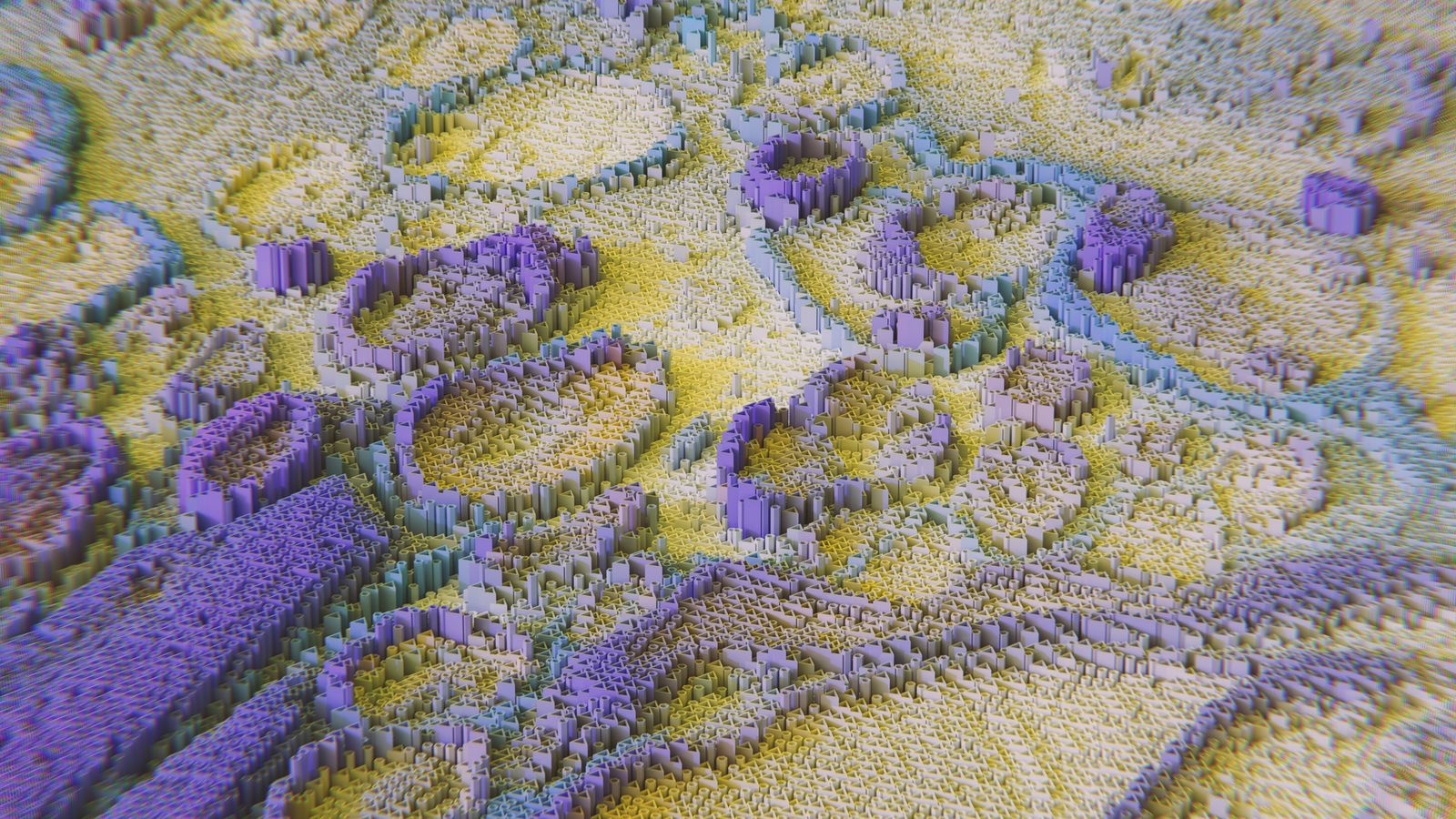
The **Procgen Benchmark** is more than just another AI testing tool—it’s a challenge and a solution. It consists of 16 procedural generation environments. But what does “procedural generation” mean? It’s the method of creating data algorithmically rather than manually. This concept isn’t new in gaming, where environments are created dynamically to ensure unique experiences. In AI, it serves as a crucible for developing flexible learning models.
Why Is Procedural Generation Crucial?
Typically, AI learns by experiencing the same scenario over and over until it masters a specific task. However, real-world applications demand more than rote learning. They require adaptability—the ability to face novel circumstances without prior exposure. Here lies the magic of procedural generation: every encounter for the AI is different, mimicking the unpredictability of the real world.
The Role of Reinforcement Learning
At the heart of Procgen Benchmark is **reinforcement learning** (RL), a type of AI learning strategy that mimics human decision-making processes. Here, an agent learns to make decisions by receiving feedback through rewards or punishments—a bit like how you might train a pet to follow commands with treats or gentle corrections.
This framework allows AI to not just perform tasks but to innovate solutions. With Procgen, AI agents aren’t just playing repeat levels; they’re encountering endless procedural variations, thus honing more adaptable strategies.
From Theory to Practice: A Real-World Example
Think of a self-driving car faced with navigating a city. Unlike a conventional AI, which might have pre-learned routes, an AI trained under procedural generation could adeptly handle sudden construction zones or unexpected traffic changes without prior data. It learns to become comfortable with uncertainty, making it immensely more reliable and robust in real-world settings.
The Future Implications of Procgen Benchmark
Procgen Benchmark isn’t just a testing tool; it’s laying the groundwork for the next generation of AI. By encouraging the development of models that prioritize adaptability and resilience, it opens doors to sophisticated systems capable of tackling global challenges, from autonomous vehicles to smart city management.
In a rapidly evolving tech landscape, the importance of building adaptable AI cannot be overstated. While this benchmark sets the stage, it signals a broader movement towards AI systems that can not only learn but thrive in dynamic environments. As AI continues to evolve, those that embrace the versatility offered by methods like Procgen will lead the charge into an era defined by intelligent, flexible machines.
