


Imagine a world where movies come to life without the flare of a director’s vision or the tactile feel of a camera lens. Instead, they are conjured up from the algorithms powering **Artificial Intelligence**. This isn’t a dystopian fantasy—it’s a reality reshaping the film industry.
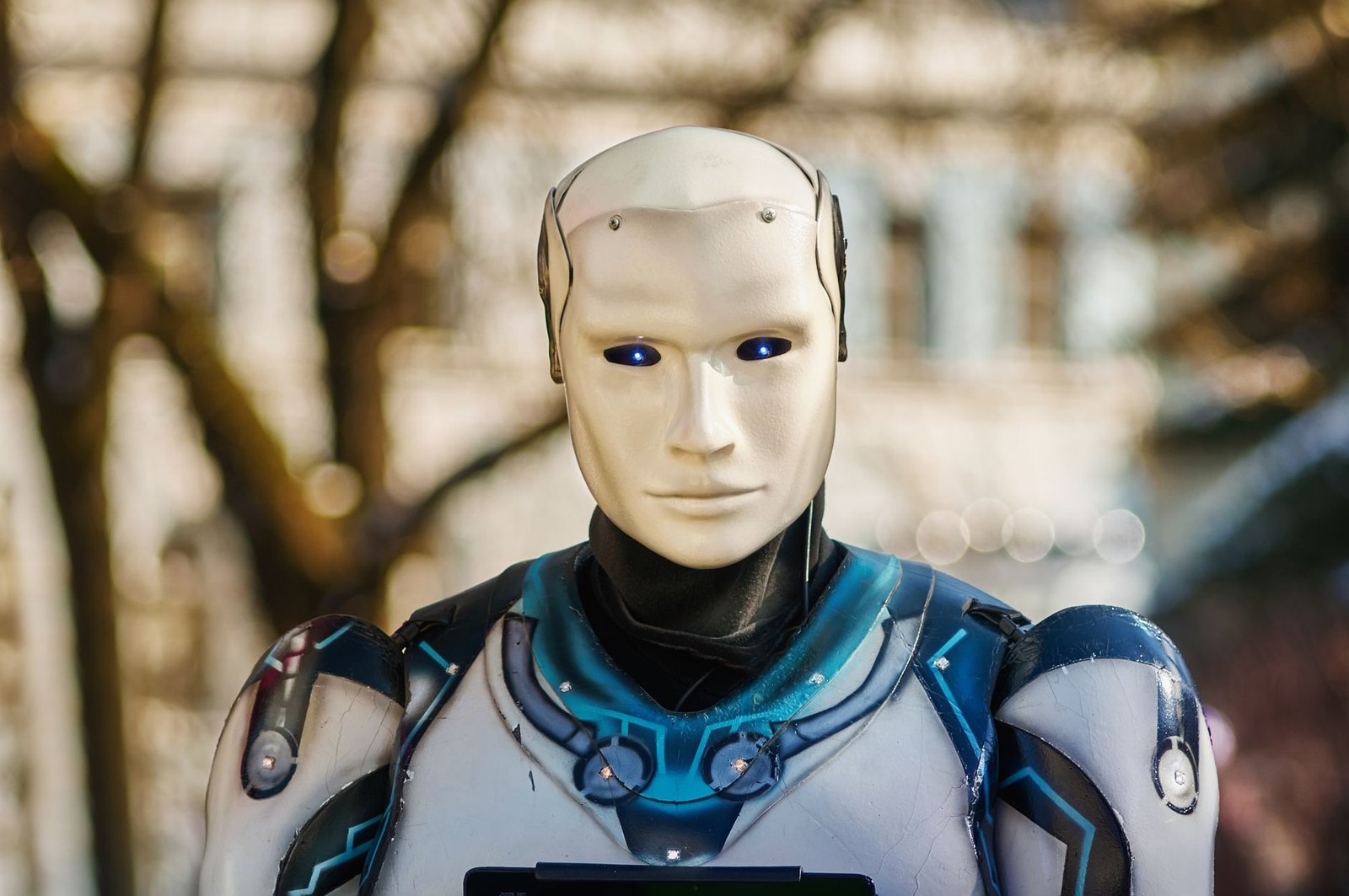
- AI-generated movies are becoming a new trend in the film industry.
- The technology allows for rapid, cost-effective film production.
- AI films might lack the human touch that traditional films possess.
- Directors are exploring AI to capitalize on popular film trends.
- The future of filmmaking could see a blend of AI creativity with human finesse.
A New Era of Filmmaking
Cinephiles around the globe have their eyes set on a unique cinematic revolution. While big-name directors like Christopher Nolan draw massive crowds with their imaginative renditions of classics, a quieter yet powerful shift is underway. AI-generated films are starting to emerge as cost-effective cash grabs, blending the allure of cutting-edge technology with classic storytelling.
This weekend, a Christopher Nolan adaptation of **The Odyssey** promises to captivate audiences with its innovative techniques, projecting a fresh perspective on the famed epic. However, another contender, film studio Fountain 0, plans to ride this wave with its AI-generated counterpart, Odysseus: The Fall. This film, distinguished for its algorithm-driven creativity, exemplifies how AI can radically change content creation.
AI Meets Hollywood: A Technological Renaissance
The traditional filmmaking process, typically laden with time-consuming stages—scriptwriting, casting, shooting, and editing—is getting a significant makeover. **AI technology**, with its capability to learn from vast datasets, can automate numerous aspects of movie production. This not only streamlines the process but reduces costs dramatically, enabling studios to release movies faster than ever.
The AI Toolbox: What Powers an AI Movie?
To understand how AI generates films, consider **machine learning**, a subfield of AI that involves teaching computers to learn and make decisions without explicit programming. Similar to how an artist might study the works of masters to hone their skills, AI analyzes thousands of films, learning patterns and techniques to mimic in its creations.
This process allows studios to produce stories that resemble popular hits, just as **deepfake** technology modifies faces in existing footage. While the results are technically impressive, there’s debate about whether AI can truly capture the nuanced depth and emotion that human filmmakers breathe into their art.
The Trade-Off: Creativity vs. Cost
Cost is a significant factor driving studios to consider AI as a filmmaking partner. Traditional movies are financial behemoths, with complex productions requiring vast resources. AI can mitigate these challenges, contributing to the creation of films that are financially accessible for smaller studios.
Despite this, critiques often question the artistic value of AI-generated films. It’s an age-old debate: can a computer’s emulation hold a candle to human passion? Think of it like a fast-food version of fine dining. While the former satisfies immediate cravings, the latter offers a gastronomic journey rich in flavor and soul.
A Glimpse into Tomorrow
So, what does this AI-fueled trajectory mean for the future of film? There’s a potential for an enriching collaboration where AI assists in logistics while humans add emotional depth, blending structure with spirit. As technology evolves, it’s conceivable that the artistry AI provides will only enhance, drawing us closer to that fusion of human creativity and technological innovation.
The ascent of AI in filmmaking envisages a future where directors, writers, and engineers team up to explore uncharted realms of creativity, ensuring more diverse narratives and broader accessibility. As AI continues to refine its artistic prowess, the cinematic landscape promises to transform in ways we might have only dreamed of mere decades ago.
