



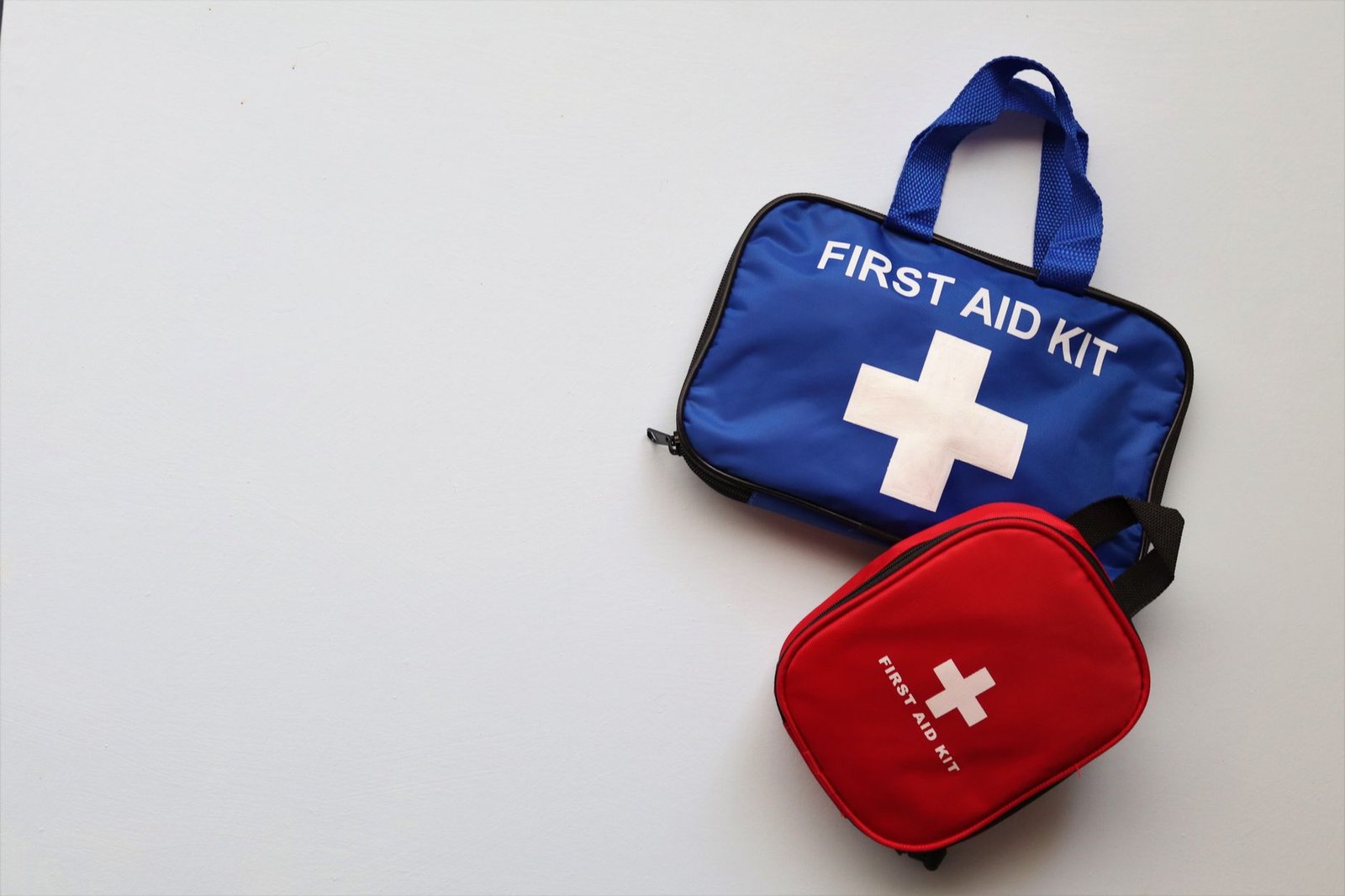
Imagine a world where the tools you’ll need for survival in any crisis are conveniently packed and ready for immediate action. While it may sound like something from a sci-fi thriller, having an **emergency kit** can be a real lifesaver. Let’s dive deep into what these kits entail and why they are essential.
Key Takeaways
- An emergency kit is a collection of resources necessary for survival during crises such as natural disasters.
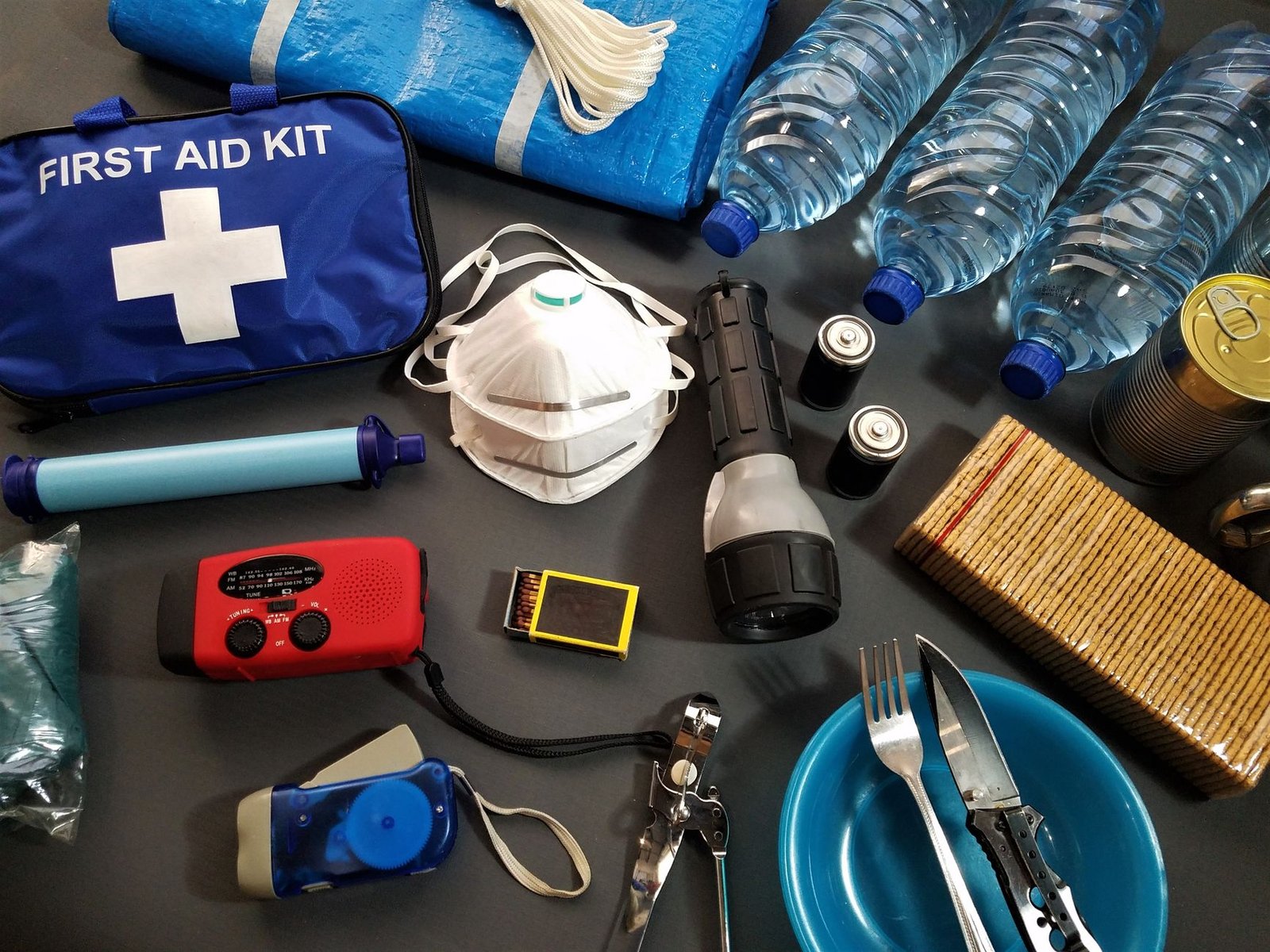
- These kits typically include items like food, water, first-aid supplies, and multi-tools to address basic needs.
- Preparedness experts stress customization of kits based on location and potential threats.
- Technological advancements, including AI, play a role in enhancing the preparedness experience and capabilities.
- Building a mindset around readiness is as crucial as having the gear itself.
The Anatomy of an Emergency Kit
At its core, an **emergency kit** is a collection of essential tools and resources designed to assist you in unpredictable situations, ranging from natural disasters like earthquakes to human-made crises. **Preparedness experts** suggest tailoring your kit to fit the specific threats relevant to your environment. For instance, if you live in a wildfire-prone area, incorporating an extra set of N95 masks might be prudent.
Basic Necessities: Food and Water
The twin pillars of any dependable emergency kit are **food** and **water**. These should suffice for at least 72 hours. **Non-perishable food items** such as canned goods and protein bars are recommended. As for water, it’s advisable to have one gallon per person per day. Moreover, **water purification systems** or tablets ensure you have access to safe water even if your stock runs low. Consider the real-world scenario of a shipwreck survival story, where resourcefulness with available food and water sources became the key to life.
Health and Safety
A well-stocked **first-aid kit** is non-negotiable. Items like bandages, antiseptics, and prescription medications can make a world of difference in minor injuries that could otherwise escalate. Complement these with **emergency blankets** to ward off hypothermia and a flashlight for visibility in the dark.
Tools and Technology
**Multi-tools** and **pocket knives** can handle a myriad of tasks from opening cans to cutting ropes. **Solar-powered chargers** and **hand-crank radios** serve as vital communication and energy tools, converting solar or kinetic energy into useful power. Here, **technology, including AI**, is revolutionizing the way we prepare for emergencies.
For example, AI-driven apps can now predict weather patterns more accurately, giving individuals more time to prepare or evacuate if necessary. In this way, **AI** acts as a guiding light, illuminating the hidden paths toward safety even amidst chaos.
Adaptation to Situation
Conditions change, and thus your **emergency kit** should be dynamic. As technology advances, **AI** could facilitate smarter adaptive algorithms that constantly refine your kit based on new data. Imagine owning an app that automatically orders and delivers the appropriate emergency supplies as it predicts an incoming disaster. This isn’t just speculation; the future is knocking.
Embracing a Prepared Mindset
The gear alone isn’t enough; cultivating a preparedness mindset transforms you from a passive holder to an **active participant** in your survival. Regular drills, updating your kit, and staying informed are all part and parcel of this mentality.
If our gadgets are becoming smarter and more predictive through AI, then so too should we adapt—not merely in technology deployment but in how we think about readiness.
As AI continues to evolve, we stand on the precipice of a future where disaster preparedness is not just about being physically equipped but technologically astute as well. This melding of human foresight and machine intelligence holds great promise for not only surviving but thriving in face of whatever the world throws our way.
