



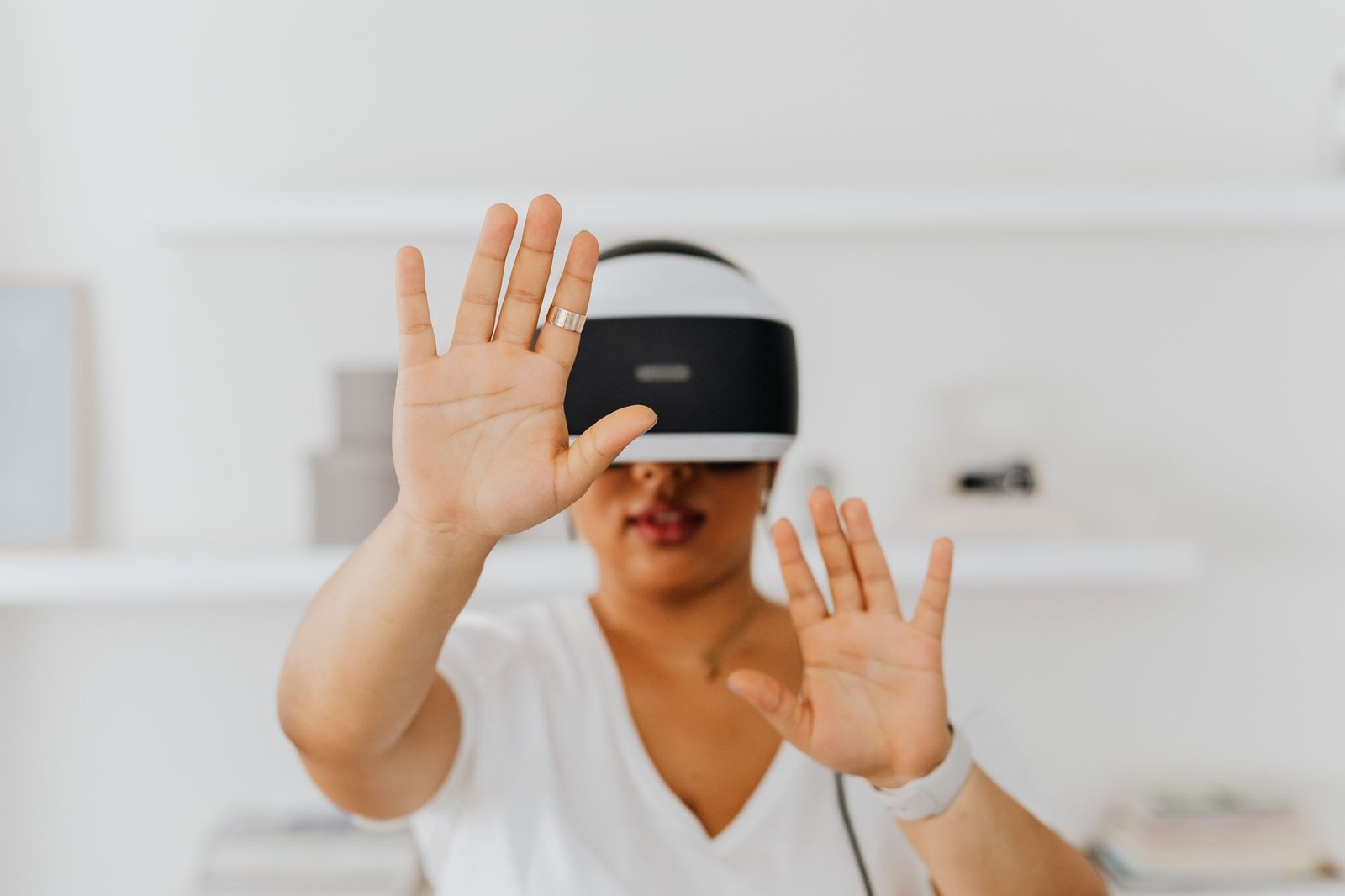
The unveiling of Halliday’s second-generation smart glasses marks a thrilling leap forward in wearable technology, redefining the way we perceive augmented reality. Could these glasses be what finally brings AR to the masses?

Key Takeaways
- Halliday Gen 2 smart glasses feature a vastly improved display, enhancing user experience.
- The new design replaces the original’s problematic display window with a broader visual interface.
- These glasses represent a significant evolution in consumer-ready augmented reality tech.
- Integration of AI-driven features transforms how users interact with digital environments.
- This innovation paves the way for even more immersive virtual experiences in the future.
A Leap in Display Technology
My initial experience with Halliday’s original smart glasses wasn’t exactly eye-opening—in fact, it was quite the opposite. The tiny, movable display felt more like a nuisance than a feature, leaving my eyes strained and unimpressed. However, the Halliday Gen 2 has effectively addressed this issue by swapping that problematic window with a more robust, traditional display. This change immediately grants users a clearer, more comfortable view, elevating the entire user experience.
The Importance of User-Friendly Displays
Why is a good display so crucial for smart glasses? Imagine trying to read a novel through a straw—that’s what a finicky display can be like. For augmented reality (AR) to be effective, the digital information should seamlessly overlay the real world. The improved display of the Halliday Gen 2 means users can now enjoy augmented insights without eye strain, making the technology more accessible and enjoyable.
Integrating AI for Smarter Experiences
The Halliday Gen 2 doesn’t just stop at better displays; it incorporates AI-driven features to enhance its utility. From real-time language translation to contextual information about your surroundings, these glasses act as a digital assistant right in your view. AI algorithms analyze visual data captured by the glasses, providing useful insights and suggestions.
Real-World Impact
Consider the experience of visiting a foreign city. With the Halliday Gen 2, you can navigate using AR-driven maps, read historical data about landmarks, or even get restaurant recommendations based on your preferences. This is akin to having a local tour guide, all thanks to intelligent algorithms working behind the scenes.
An Exciting Path Forward
By addressing initial setbacks and incorporating AI, Halliday’s latest release demonstrates their commitment to making AR accessible and functional. By improving the visual interface and enriching user interaction through AI, Halliday gives us a glimpse into a future where wearable technology might become as ubiquitous as smartphones are today.
Looking ahead, the success of the Halliday Gen 2 could inspire further innovation in AI and augmented reality, encouraging more developers to explore new possibilities in this space. As wearable technology continues to evolve, so too does the potential for revolutionary applications in education, healthcare, and entertainment. The future of AI in everyday life is not just a possibility—it’s rapidly becoming a reality.
